
Beginning with How to provide incentives for wellness program participation, the discussion delves into the strategies and benefits of offering incentives to promote active engagement in wellness programs. As we explore the various aspects of this topic, we uncover the key elements that drive individuals to participate and thrive in such initiatives.
We will navigate through the significance of incentives, effective examples, and the motivational impact they have on individuals, shedding light on the importance of fostering a culture of well-being through enticing rewards and recognition.
Incentives for Wellness Program Participation: How To Provide Incentives For Wellness Program Participation
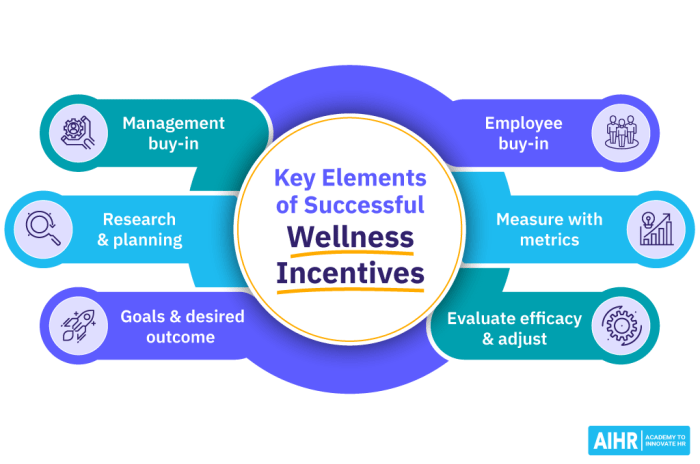
Providing incentives for wellness program participation is crucial in encouraging individuals to actively engage in activities that promote their overall health and well-being. Incentives serve as motivators that can help individuals overcome barriers and make positive lifestyle changes.
Importance of Incentives in Wellness Programs
Effective incentives play a significant role in driving participation in wellness programs. They can increase engagement, boost morale, and ultimately lead to improved health outcomes for participants. By offering rewards or recognition for taking steps towards better health, individuals are more likely to stay committed to their wellness goals.
Examples of Effective Incentives
- Financial rewards such as gift cards, cash bonuses, or reduced insurance premiums for meeting health goals.
- Access to wellness perks like gym memberships, healthy snacks at work, or on-site fitness classes.
- Recognition programs that publicly acknowledge and celebrate individuals who achieve milestones in their wellness journey.
Motivating Individuals through Incentives
Incentives can motivate individuals by providing tangible benefits for their efforts, making them feel valued and appreciated. Knowing that there are rewards awaiting them can inspire individuals to stay committed to their wellness routines and strive for continuous improvement. Incentives create a sense of accountability and drive individuals to actively participate in wellness activities to reap the benefits.
Wellness Programs
Wellness programs play a crucial role in promoting overall health and well-being by encouraging individuals to adopt healthy habits and make positive lifestyle changes. These programs aim to prevent illness, reduce stress, and improve quality of life through a holistic approach to health.
Types of Wellness Programs and Focus Areas
Wellness programs can vary in their focus areas, targeting different aspects of health to cater to the diverse needs of participants. Some common types include:
- Physical Wellness Programs: These programs focus on promoting physical health through activities like exercise, nutrition, and weight management.
- Mental Wellness Programs: These programs aim to support mental well-being by providing resources for stress management, resilience building, and mental health awareness.
- Emotional Wellness Programs: These programs focus on enhancing emotional health through activities like mindfulness, self-care practices, and emotional intelligence training.
Success Stories of Wellness Program Participants
There are numerous success stories of individuals who have benefited greatly from participating in wellness programs. For example, Sarah, a busy professional, saw a significant improvement in her overall well-being after joining a physical wellness program that helped her incorporate regular exercise and healthy eating habits into her daily routine.
Similarly, John, who struggled with anxiety, found relief and support through a mental wellness program that equipped him with tools to manage stress and improve his mental health.
Herbal Remedies
Herbal remedies have been used for centuries as natural solutions to support overall wellness. These remedies are derived from plants and herbs known for their healing properties and are often used to address various health concerns.Herbal remedies can play a significant role in promoting health and well-being by providing a holistic approach to wellness.
They are believed to help the body restore balance and strengthen its natural defenses, contributing to overall vitality.
Popular Herbal Remedies
- Echinacea: Known for its immune-boosting properties, Echinacea is commonly used to prevent and alleviate symptoms of the common cold.
- Ginseng: This herb is popular for its adaptogenic properties, helping the body cope with stress and enhance energy levels.
- Turmeric: With its anti-inflammatory and antioxidant properties, turmeric is often used to support joint health and reduce inflammation.
Complementing Traditional Treatments
Herbal remedies can work hand in hand with traditional medical treatments to enhance overall wellness. While traditional medicine focuses on treating specific symptoms or conditions, herbal remedies take a more holistic approach by addressing the root cause of health issues.
Integrating herbal remedies into a wellness program can provide additional support and promote a balanced and healthy lifestyle.
Skin Health
Maintaining healthy skin is not only important for aesthetic reasons but also plays a crucial role in overall wellness. The skin is the body’s largest organ and serves as a protective barrier against external threats. Therefore, taking care of your skin is essential for your overall health and well-being.
Connection between Wellness and Skin Health
Our skin reflects our internal health, and various lifestyle choices can impact its appearance and function. Participating in wellness programs that promote healthy habits such as regular exercise, balanced nutrition, stress management, and adequate sleep can significantly improve skin health.
These habits can help reduce inflammation, promote collagen production, and enhance skin elasticity, leading to a clearer and more radiant complexion.
Tips for Maintaining Healthy Skin through Lifestyle Choices
- Avoiding excessive sun exposure and using sunscreen daily to protect the skin from harmful UV rays.
- Eating a balanced diet rich in fruits, vegetables, whole grains, and lean proteins to provide essential nutrients for skin health.
- Staying hydrated by drinking an adequate amount of water daily to maintain skin moisture and elasticity.
- Practicing good skincare habits such as cleansing, moisturizing, and exfoliating regularly to keep the skin clean and hydrated.
Impact of Diet and Hydration on Skin Health
- A diet high in antioxidants, vitamins, and minerals can help protect the skin from oxidative stress and promote a youthful appearance.
- Hydration plays a crucial role in maintaining skin moisture levels, preventing dryness, and improving overall skin texture and tone.
- Adequate water intake supports the body’s detoxification process, helping to flush out toxins and impurities that can affect skin health.
Bone Density
Maintaining healthy bone density is crucial for overall health and well-being. Strong bones provide support for our bodies, protect our organs, and help us move and function effectively. As we age, bone density naturally decreases, making us more prone to fractures and osteoporosis.
Therefore, it is essential to take steps to improve and maintain healthy bone density.
Exercises and Dietary Recommendations
Regular weight-bearing exercises such as walking, jogging, dancing, and weightlifting can help improve bone density. These activities stimulate bone growth and strengthen bones. Additionally, incorporating calcium-rich foods such as dairy products, leafy greens, nuts, and seeds into your diet can support bone health.
Vitamin D is also crucial for bone density, so make sure to get enough sunlight exposure or consider taking supplements if needed.
Factors Contributing to Bone Density Loss
Several factors can contribute to bone density loss, including a sedentary lifestyle, smoking, excessive alcohol consumption, and a diet lacking in essential nutrients. Hormonal changes, certain medications, and underlying health conditions can also impact bone health. It is important to address these risk factors and make lifestyle changes to prevent further bone density loss.
Muscle Mass
Building and preserving muscle mass is crucial for overall health and well-being. Muscles play a vital role in metabolism, strength, and mobility, making them essential for everyday functioning.
Importance of Muscle Mass
- Increased muscle mass helps boost metabolism, leading to better weight management and fat loss.
- Strong muscles support proper posture and alignment, reducing the risk of injury and chronic pain.
- Muscle mass is essential for maintaining balance and stability, especially as we age.
- Having adequate muscle mass can improve insulin sensitivity and glucose metabolism, reducing the risk of diabetes.
Strategies for Building and Preserving Muscle Mass
- Engage in regular strength training exercises, such as weightlifting, resistance bands, or bodyweight workouts.
- Ensure adequate protein intake to support muscle repair and growth.
- Stay hydrated and maintain a balanced diet rich in nutrients essential for muscle health, such as vitamins and minerals.
- Get enough rest and prioritize quality sleep to allow muscles to recover and grow.
Role of Strength Training
Strength training is a key component of improving muscle mass as it involves resistance exercises that challenge and stimulate muscle growth. By progressively increasing the intensity and volume of your workouts, you can effectively build and strengthen your muscles over time.
Dental Care
Maintaining good oral health is essential not just for a bright smile, but also for overall wellness. Poor dental hygiene can lead to various health issues, including cardiovascular problems and respiratory infections. Here are some tips for taking care of your teeth and gums:
Tips for Maintaining Good Oral Hygiene
- Brush your teeth at least twice a day with fluoride toothpaste.
- Floss daily to remove plaque and debris between teeth.
- Avoid sugary and acidic foods that can harm tooth enamel.
- Visit your dentist regularly for check-ups and professional cleanings.
Importance of Regular Dental Check-ups
Regular dental check-ups are crucial for early detection and prevention of dental issues. Your dentist can identify problems like cavities, gum disease, or oral cancer before they escalate, saving you from pain and costly treatments. Remember, a healthy smile is a key component of your overall well-being.
Eye Health
Eye health is a crucial aspect of overall wellness that often gets overlooked. Our eyes play a vital role in our daily lives, from reading and working to enjoying hobbies and experiencing the world around us. It is essential to protect and improve our eye health to maintain a high quality of life.To protect and improve eye health, there are several practices that can be incorporated into daily routines.
These include wearing sunglasses to shield the eyes from harmful UV rays, taking regular breaks from screens to reduce eye strain, maintaining a balanced diet rich in nutrients like vitamins A, C, and E, staying hydrated, and getting regular eye check-ups.
Common Eye Conditions and Prevention Strategies
- 1. Age-Related Macular Degeneration (AMD): This condition is a leading cause of vision loss in older adults and is caused by damage to the macula. To prevent AMD, it is essential to quit smoking, maintain a healthy diet high in antioxidants, and protect your eyes from UV rays.
- 2. Cataracts: Cataracts are a clouding of the eye’s lens and are common with age. To prevent cataracts, it is crucial to wear sunglasses, avoid smoking, and eat a diet rich in fruits and vegetables.
- 3. Glaucoma: Glaucoma is a group of eye conditions that damage the optic nerve. To prevent glaucoma, it is important to get regular eye check-ups, exercise regularly, maintain a healthy weight, and protect your eyes from injury.
Regular eye check-ups are essential for early detection and treatment of eye conditions.
Mental Clarity
Maintaining mental clarity is crucial for overall well-being as it enables individuals to think clearly, make sound decisions, and effectively manage stress. Enhancing mental clarity can improve cognitive function, memory, and productivity in both personal and professional settings.
Techniques for Enhancing Mental Clarity and Focus
- Practice mindfulness: Engaging in mindfulness activities such as meditation, deep breathing exercises, and yoga can help reduce mental clutter and improve focus.
- Get regular exercise: Physical activity stimulates blood flow to the brain, promoting mental alertness and enhancing cognitive function.
- Stay hydrated: Dehydration can impair cognitive function, so it’s essential to drink an adequate amount of water throughout the day.
- Get enough sleep: Lack of sleep can lead to cognitive impairment, so prioritize getting 7-9 hours of quality sleep each night.
- Avoid multitasking: Focusing on one task at a time can help improve concentration and prevent mental fatigue.
How Mindfulness Practices Improve Mental Clarity
Mindfulness practices involve paying attention to the present moment without judgment, which can help individuals become more self-aware and reduce mental distractions. By practicing mindfulness, individuals can cultivate a greater sense of focus, clarity, and emotional resilience, leading to improved overall well-being.
Joint Flexibility
Maintaining good joint flexibility is crucial for overall mobility and quality of life. Flexible joints allow for a wider range of motion, reducing the risk of injuries and enhancing physical performance in various activities.
Benefits of Good Joint Flexibility
- Improved posture and balance
- Reduced risk of joint pain and stiffness
- Enhanced athletic performance
- Prevention of injuries
Exercises and Stretches to Improve Joint Flexibility
- Yoga poses such as Downward Facing Dog, Child’s Pose, and Cat-Cow Stretch
- Pilates exercises targeting joint mobility like Leg Circles and Spine Twist
- Dynamic stretches like Arm Circles, Leg Swings, and Hip Circles
Impact of Age and Lifestyle on Joint Health
Age and lifestyle factors such as sedentary behavior, poor nutrition, and repetitive movements can contribute to decreased joint flexibility over time. Regular exercise, proper nutrition, and avoiding prolonged periods of inactivity can help maintain and improve joint health regardless of age.
Digestive Health
Good digestive health plays a crucial role in overall wellness, as the digestive system is responsible for absorbing nutrients and eliminating waste from the body. When the digestive system is functioning properly, it can positively impact other aspects of health such as immunity, mental clarity, and energy levels.
Dietary Recommendations for Promoting Good Digestion
- Aim to include plenty of fiber-rich foods in your diet, such as fruits, vegetables, whole grains, and legumes. Fiber helps to promote healthy digestion and prevent constipation.
- Stay hydrated by drinking an adequate amount of water throughout the day. Water helps to keep the digestive system running smoothly and aids in the breakdown of food.
- Include probiotic-rich foods in your diet, such as yogurt, kefir, sauerkraut, and kimchi. Probiotics are beneficial bacteria that support gut health and digestion.
- Avoid excessive consumption of processed foods, fried foods, and sugary drinks, as they can disrupt the balance of bacteria in the gut and lead to digestive issues.
Common Digestive Issues and Ways to Address Them
- Acid Reflux:Avoid trigger foods that can worsen acid reflux, such as spicy foods, citrus fruits, and caffeine. Eating smaller, more frequent meals and not lying down immediately after eating can also help alleviate symptoms.
- Constipation:Increase your fiber intake, drink plenty of water, and stay physically active to help prevent and relieve constipation. Prunes, flaxseeds, and magnesium-rich foods can also aid in bowel regularity.
- IBS (Irritable Bowel Syndrome):Keep a food diary to identify trigger foods that worsen symptoms. Stress management techniques, such as yoga and meditation, can help reduce flare-ups. Probiotics and peppermint oil may also provide relief.
- Bloating:Avoid gas-producing foods like beans, broccoli, and carbonated drinks. Eating slowly, avoiding chewing gum, and incorporating digestive enzymes may help reduce bloating.
Detox Process
Detoxification is the process of eliminating toxins and impurities from the body to promote overall health and wellness. This process helps the body to function optimally by removing harmful substances that can affect various bodily functions.
Natural Ways to Support Detox Process
- Adequate Hydration: Drinking plenty of water helps flush out toxins through urine and sweat.
- Eating Whole Foods: Consuming a diet rich in fruits, vegetables, and whole grains provides essential nutrients for detoxification.
- Regular Exercise: Physical activity helps improve circulation and supports the body’s natural detox processes.
- Herbal Teas: Certain herbs like dandelion, milk thistle, and ginger can aid in liver detoxification.
- Reducing Exposure to Toxins: Avoiding processed foods, alcohol, and tobacco can lessen the toxin load on the body.
Benefits of Periodic Detoxification
- Improved Energy Levels: Detoxification can boost energy levels by removing toxins that can cause fatigue.
- Enhanced Immune Function: A clean body is better equipped to fight off infections and illnesses.
- Weight Management: Detoxifying the body can support weight loss efforts by improving metabolism.
- Clearer Skin: Eliminating toxins can result in clearer, healthier-looking skin.
- Reduced Inflammation: Detoxification may help reduce inflammation in the body, benefiting overall health.
Blood Pressure
Maintaining healthy blood pressure levels is crucial for overall well-being. High blood pressure, also known as hypertension, can increase the risk of heart disease, stroke, and other serious health conditions. On the other hand, low blood pressure, or hypotension, can cause dizziness, fainting, and even shock.
It is essential to strike a balance and keep blood pressure within a healthy range.
Importance of Healthy Blood Pressure Levels
- Healthy blood pressure levels help reduce the risk of heart disease and stroke.
- Proper blood pressure regulation ensures optimal blood flow to vital organs.
- Maintaining healthy blood pressure can improve overall cardiovascular health.
Lifestyle Changes for Regulating Blood Pressure
- Follow a balanced diet rich in fruits, vegetables, whole grains, and lean proteins.
- Limit sodium intake to help reduce high blood pressure.
- Engage in regular physical activity to maintain a healthy weight and lower blood pressure.
- Avoid smoking and limit alcohol consumption to support cardiovascular health.
Risks Associated with High or Low Blood Pressure
- High blood pressure can lead to heart disease, stroke, kidney damage, and vision loss.
- Low blood pressure may cause dizziness, fainting, dehydration, and reduced blood flow to the brain.
- Both high and low blood pressure require monitoring and management to prevent complications.
Heart Rate
Monitoring heart rate is crucial for assessing overall health and fitness levels. It provides valuable insights into cardiovascular health and can help individuals gauge the intensity of their workouts. By understanding heart rate variability, individuals can optimize their exercise routines for better results.
Exercises to Improve Heart Rate Variability
Regular aerobic exercises such as running, swimming, cycling, and dancing can help improve heart rate variability. These activities challenge the cardiovascular system, leading to better efficiency and adaptability of the heart. Incorporating interval training, where periods of high-intensity exercise are alternated with periods of rest or low-intensity exercise, can also enhance heart rate variability.
Relationship Between Heart Rate and Cardiovascular Health
Maintaining a healthy heart rate is essential for cardiovascular health. A lower resting heart rate is often associated with good cardiovascular fitness, while a consistently high heart rate may indicate underlying issues. By monitoring heart rate during physical activity and at rest, individuals can track their progress and make necessary adjustments to their lifestyle for better heart health.
Health Screenings
Health screenings play a crucial role in preventive care by helping to detect potential health issues early on, allowing for timely intervention and treatment.
Regular screenings are recommended for individuals of all ages to monitor various aspects of health and identify any abnormalities that may indicate underlying conditions. Here are some key health screenings recommended for different age groups:
Key Health Screenings by Age Group
- 20s and 30s:Regular blood pressure checks, cholesterol screenings, and skin cancer screenings are important during these years.
- 40s:In addition to the above, individuals in their 40s should consider screenings for diabetes, colorectal cancer, and eye exams.
- 50s and beyond:As individuals age, screenings for osteoporosis, breast cancer (for women), prostate cancer (for men), and hearing tests become essential.
Vaccination Programs
Vaccination programs play a crucial role in maintaining community health by preventing the spread of infectious diseases. Vaccines have been proven to be effective in reducing the incidence of serious illnesses and protecting vulnerable populations.
Importance of Vaccination
- Vaccinations help create herd immunity, protecting those who cannot be vaccinated due to medical reasons.
- They reduce the burden on healthcare systems by preventing outbreaks of vaccine-preventable diseases.
- Vaccines are a cost-effective way to prevent illness and save lives in the long run.
Common Vaccinations
Common vaccinations recommended for different populations include:
| Population | Recommended Vaccinations |
|---|---|
| Children | MMR, DTaP, Hepatitis B, Varicella |
| Adults | Flu vaccine, Tdap, HPV, Shingles |
| Elderly | Pneumococcal, Influenza, Zoster |
Misconceptions about Vaccinations
-
“Vaccines cause autism”
– This myth has been debunked by numerous scientific studies and does not have any credible evidence to support it.
-
“Natural immunity is better than vaccines”
– While natural immunity is important, vaccines provide a safer and more controlled way to build immunity without the risk of serious illness.
-
“Vaccines contain harmful chemicals”
– Vaccines undergo rigorous testing for safety and efficacy before approval, and the ingredients used are in very small amounts and not harmful to the body.
Healthy Habits
Developing and maintaining healthy habits is essential for overall health and wellness. These habits not only improve physical health but also have a positive impact on mental well-being.
Regular Exercise
- Engaging in regular physical activity, such as cardio, strength training, or yoga, helps improve cardiovascular health, muscle strength, and flexibility.
- Exercise also releases endorphins, reducing stress and improving mood.
Balanced Diet
- Eating a well-balanced diet rich in fruits, vegetables, whole grains, lean proteins, and healthy fats provides essential nutrients for overall health.
- Avoiding processed foods high in sugar, salt, and unhealthy fats can help prevent chronic diseases.
Adequate Sleep
- Getting 7-9 hours of quality sleep each night is crucial for physical and mental health.
- Adequate sleep improves cognitive function, mood, and immune system function.
Stress Management
- Practicing stress-reducing techniques such as meditation, deep breathing, or mindfulness can help lower cortisol levels and reduce the risk of stress-related health issues.
- Engaging in hobbies, spending time in nature, or seeking social support are also effective ways to manage stress.
Hydration
- Drinking an adequate amount of water each day helps maintain proper bodily functions, supports digestion, and keeps the skin hydrated.
- Hydration is essential for overall health and well-being.
Balanced Hormones
Having balanced hormones is crucial for overall well-being as they play a vital role in various bodily functions. Hormones act as messengers in the body, regulating processes such as metabolism, mood, growth, and reproduction.
Role of Balanced Hormones
- Regulate metabolism: Balanced hormones help maintain a healthy weight and energy levels.
- Support mood: Hormonal balance can contribute to stable mood and emotional well-being.
- Promote growth: Hormones are essential for proper growth and development.
- Affect reproduction: Balanced hormones are crucial for fertility and reproductive health.
Natural Ways to Support Hormonal Balance
- Eat a balanced diet rich in fruits, vegetables, whole grains, and lean proteins.
- Engage in regular exercise to help regulate hormone levels.
- Manage stress through relaxation techniques such as meditation or yoga.
- Get enough sleep to support hormone production and balance.
Impact of Hormonal Imbalances on Health
- Weight fluctuations: Hormonal imbalances can lead to weight gain or loss.
- Mood swings: Imbalanced hormones may contribute to mood disorders such as depression or anxiety.
- Irregular periods: Hormonal disturbances can cause irregular menstrual cycles in women.
- Decreased libido: Hormonal imbalances can affect sexual desire and function.
Health Coaching
Health coaching is a valuable tool that can help individuals achieve their wellness goals by providing personalized support and guidance.
Benefits of Working with a Health Coach
- Health coaches offer individualized support tailored to each person’s unique needs and goals.
- They provide accountability and motivation to help individuals stay on track with their wellness plans.
- Health coaches can help identify obstacles and develop strategies to overcome them, leading to long-term success.
- They focus on holistic health, addressing not just physical but also mental and emotional well-being.
Role of a Health Coach in Promoting Wellness Goals
- Health coaches work collaboratively with clients to create realistic and achievable wellness goals.
- They provide education on nutrition, exercise, stress management, and other health-related topics to empower individuals to make informed choices.
- Health coaches offer ongoing support and guidance to help clients navigate challenges and setbacks on their wellness journey.
- They serve as a source of motivation and encouragement, celebrating successes and progress along the way.
How Health Coaching Supports Behavior Change for Better Health
- Health coaches help individuals identify unhealthy habits and patterns that may be hindering their health goals.
- They assist in setting realistic and achievable behavior change goals, breaking them down into manageable steps.
- Health coaches provide strategies and tools to help clients implement lasting lifestyle changes for improved health outcomes.
- They offer continuous support, guidance, and feedback to reinforce positive behaviors and promote sustainable change.
Fitness Goals
Setting and achieving fitness goals is crucial for overall well-being. It provides a sense of direction, motivation, and accomplishment, helping individuals stay focused on their health and fitness journey.
Importance of Fitness Goals
- Establishing fitness goals helps individuals track their progress and stay committed to their wellness program.
- Having clear goals allows for better planning and organization of workouts, nutrition, and recovery strategies.
- Achieving fitness milestones can boost confidence, self-esteem, and mental well-being.
Creating Realistic Fitness Goals, How to provide incentives for wellness program participation
- Set specific, measurable, achievable, relevant, and time-bound (S.M.A.R.T.) goals to ensure success.
- Consider individual fitness levels, preferences, and limitations when setting goals to make them attainable.
- Break down larger goals into smaller, manageable steps to prevent feeling overwhelmed and increase motivation.
Benefits of Reaching Fitness Milestones
- Improved physical health, including increased muscle strength, endurance, and cardiovascular fitness.
- Enhanced mental health with reduced stress, anxiety, and depression levels.
- Better overall quality of life, increased energy levels, and improved sleep patterns.
Diet Planning
Proper diet planning is crucial for maintaining overall health and wellness. What we eat directly impacts our well-being, from energy levels to disease prevention. By making informed choices and personalized adjustments, individuals can optimize their nutrition and enhance their quality of life.
Tips for Effective Meal Planning
- Start by creating a weekly meal schedule to ensure a balanced diet.
- Include a variety of fruits, vegetables, whole grains, lean proteins, and healthy fats in your meals.
- Plan ahead and prepare meals in advance to avoid unhealthy food choices when rushed or busy.
- Consider portion control and mindful eating to prevent overeating and promote digestion.
Impact of Nutrition on Overall Well-being
Nutrition plays a vital role in supporting bodily functions, immune system health, and disease prevention. A well-rounded diet can improve energy levels, mood, cognitive function, and overall vitality. Conversely, poor nutrition can lead to deficiencies, fatigue, weight gain, and increased risk of chronic conditions.
Approaches to Personalized Diet Planning
- Consult with a nutritionist or dietitian to assess individual needs and create a tailored meal plan.
- Consider food sensitivities, allergies, or dietary restrictions when planning meals.
- Focus on nutrient-dense foods that provide essential vitamins, minerals, and antioxidants for optimal health.
- Experiment with different eating patterns, such as intermittent fasting or mindful eating, to find what works best for you.
Health Supplements
Health supplements play a crucial role in supporting overall health and wellness by providing essential nutrients that may be lacking in our diets. They can help bridge the gap between what we need and what we actually consume, ensuring that our bodies have all the necessary building blocks to function optimally.
Key Supplements for Different Aspects of Health
When it comes to choosing supplements, it’s important to consider your specific health needs and goals. Here are some key supplements that can benefit different aspects of health:
- Omega-3 fatty acids:Known for their anti-inflammatory properties, omega-3s can support heart health, brain function, and joint flexibility.
- Vitamin D:Essential for bone health, immune function, and mood regulation, especially important for those with limited sun exposure.
- Probiotics:These good bacteria can help maintain digestive health, support a strong immune system, and even improve skin conditions.
- Magnesium:Important for muscle relaxation, stress management, and bone density, magnesium is often deficient in modern diets.
Considerations for Choosing Quality Supplements
When choosing supplements, it’s crucial to prioritize quality to ensure effectiveness and safety. Here are some considerations to keep in mind:
- Look for third-party testing:Opt for supplements that have been tested by independent labs to verify their potency and purity.
- Check for bioavailability:Choose supplements in forms that are easily absorbed by the body for maximum benefit.
- Avoid unnecessary additives:Opt for supplements with minimal fillers, artificial colors, and preservatives to reduce the risk of adverse reactions.
Breathing Techniques
Breathing techniques play a crucial role in overall well-being and can have a significant impact on both physical and mental health. By implementing deep breathing exercises, individuals can experience various benefits such as stress relief, relaxation, improved focus, and enhanced oxygen flow throughout the body.
Benefits of Deep Breathing Techniques
- Enhanced relaxation and stress reduction
- Improved oxygen circulation in the body
- Boosted energy levels and focus
- Calming the nervous system and reducing anxiety
Different Breathing Exercises for Relaxation and Stress Relief
- Diaphragmatic Breathing: Inhale deeply through your nose, allowing your diaphragm to expand. Exhale slowly through your mouth, feeling your belly deflate.
- 4-7-8 Technique: Inhale for a count of 4, hold your breath for 7, and exhale for 8. Repeat several times.
- Alternate Nostril Breathing: Close one nostril with your thumb, inhale through the other nostril, then switch and exhale through the opposite nostril.
How Proper Breathing Improves Overall Health
- Enhanced Oxygen Levels: Deep breathing helps increase oxygen supply to the brain and other organs, improving overall functionality.
- Stress Reduction: By engaging in deep breathing exercises, individuals can lower cortisol levels and reduce stress and anxiety.
- Improved Immune System: Proper breathing techniques support a healthy immune system by reducing inflammation and promoting relaxation.
Disease Prevention
Preventing diseases is crucial for maintaining overall health and well-being. By taking proactive measures, individuals can significantly reduce the risk of falling ill and facing serious health complications. Lifestyle choices play a key role in disease prevention, along with regular health screenings and vaccinations.
Importance of Preventive Measures
- Engaging in regular physical activity can boost the immune system and lower the risk of chronic diseases such as heart disease, diabetes, and obesity.
- Eating a balanced diet rich in fruits, vegetables, whole grains, and lean proteins can provide essential nutrients that support the body’s immune function.
- Avoiding tobacco and excessive alcohol consumption can help reduce the risk of developing various types of cancers and respiratory diseases.
Lifestyle Choices for Disease Prevention
- Getting an adequate amount of sleep each night is essential for proper immune function and overall health.
- Managing stress through relaxation techniques such as meditation, yoga, or deep breathing exercises can help reduce the risk of stress-related illnesses.
- Maintaining a healthy weight through regular exercise and a balanced diet can lower the risk of obesity-related diseases like type 2 diabetes and heart disease.
Vaccinations and Screenings for Disease Prevention
- Following the recommended vaccination schedule for children and adults can protect against serious infectious diseases such as measles, influenza, and hepatitis.
- Undergoing regular health screenings such as blood pressure checks, cholesterol tests, and cancer screenings can help detect potential health issues early on and prevent complications.
- Consulting with healthcare providers to stay up-to-date on necessary vaccinations and screenings based on age, medical history, and risk factors is essential for effective disease prevention.
Pain Management
Chronic pain can significantly impact an individual’s overall well-being, affecting their physical, emotional, and mental health. Finding effective strategies to manage and alleviate pain naturally is crucial for improving quality of life and promoting overall wellness.
Natural Pain Relief Strategies
- Regular exercise such as yoga, tai chi, or low-impact activities can help reduce pain and improve flexibility and strength.
- Practicing mindfulness and relaxation techniques, such as meditation or deep breathing, can help manage stress and reduce pain perception.
- Acupuncture, massage therapy, and chiropractic care are alternative therapies that can provide pain relief and promote healing.
- Herbal remedies like turmeric, ginger, and capsaicin can help reduce inflammation and alleviate pain symptoms.
- Maintaining a healthy diet rich in anti-inflammatory foods like fruits, vegetables, and omega-3 fatty acids can also support pain management.
Holistic Treatments
Holistic treatments take a comprehensive approach to health and wellness by considering the whole personmind, body, and spirit. This approach focuses on treating the root cause of health issues rather than just the symptoms, aiming to achieve balance and harmony in all aspects of a person’s life.
Examples of Holistic Treatments
- Acupuncture: A traditional Chinese medicine practice involving the insertion of thin needles into specific points on the body to restore energy flow and promote healing.
- Herbal Medicine: The use of plants and plant extracts to support the body’s natural healing processes and address various health concerns.
- Mindfulness Meditation: A practice that involves focusing on the present moment to reduce stress, improve mental clarity, and enhance overall well-being.
- Yoga: Combining physical postures, breathing techniques, and meditation to improve flexibility, strength, and mental health.
- Aromatherapy: The use of essential oils derived from plants to promote relaxation, reduce anxiety, and alleviate certain symptoms.
Benefits of Integrating Holistic Practices
- Promotes overall well-being by addressing physical, emotional, and spiritual aspects of health.
- Empowers individuals to take an active role in their health and healing process.
- Helps prevent future health issues by addressing underlying imbalances and promoting healthy lifestyle habits.
- Reduces reliance on medications and invasive treatments by supporting the body’s natural healing abilities.
- Can enhance the effectiveness of traditional medical treatments and improve patient outcomes.
Mental Resilience
Mental resilience is the ability to adapt and bounce back from challenges, stress, and adversity. It involves coping with difficult situations, maintaining a positive outlook, and managing emotions effectively. Building mental resilience is crucial for overall well-being and can help individuals navigate life’s ups and downs with strength and perseverance.
Techniques for Building Mental Resilience
- Practice mindfulness and meditation to increase self-awareness and reduce stress levels.
- Develop a strong support system by connecting with friends, family, or a therapist for emotional support.
- Cultivate a growth mindset by embracing challenges as opportunities for growth and learning.
- Set realistic goals and break them down into smaller, manageable tasks to build confidence and motivation.
- Prioritize self-care activities such as exercise, healthy eating, and adequate sleep to boost mental and emotional well-being.
Benefits of Mental Resilience
- Mental resilience enables individuals to cope with setbacks and failures without losing motivation or confidence.
- It enhances problem-solving skills and decision-making abilities in challenging situations.
- Individuals with high mental resilience are better equipped to manage stress, anxiety, and other mental health issues effectively.
- Resilient individuals tend to have stronger relationships, better communication skills, and a positive outlook on life.
Final Review
In conclusion, the journey through incentivizing wellness program participation reveals the power of rewards in inspiring individuals to prioritize their health and well-being. By implementing thoughtful and engaging incentives, organizations can create a supportive environment that encourages active involvement and sustainable lifestyle changes for all participants.
FAQ Compilation
How can incentives enhance participation in wellness programs?
Incentives can boost engagement by providing tangible rewards or recognition for individuals who actively take part in wellness activities, motivating them to maintain healthy habits and lifestyle choices.
What are some effective examples of incentives used in wellness programs?
Examples include offering gift cards, wellness-related merchandise, discounts on health services, or even extra paid time off for employees who consistently participate in wellness initiatives.
How do incentives contribute to creating a culture of well-being?
By rewarding and acknowledging individuals for their commitment to wellness, incentives help instill a sense of value and importance in prioritizing health, fostering a positive environment that encourages sustained well-being practices.


