As How to treat dry skin with home remedies takes center stage, this opening passage beckons readers into a world crafted with good knowledge, ensuring a reading experience that is both absorbing and distinctly original. From various DIY skin moisturizers to herbal remedies, this guide offers a comprehensive approach to combat dry skin naturally.
Explore the benefits of natural ingredients, effective herbal solutions, and essential skin health tips to achieve a hydrated and rejuvenated skin. Dive into the interconnected aspects of bone density, muscle mass, and skin health, all while discovering the significance of mental clarity and joint flexibility in maintaining healthy skin.
Learn about the impact of digestive health, blood pressure, heart rate, and holistic treatments on skin condition. Unveil the secrets of balanced hormones, fitness goals, and disease prevention for optimal skin care.
Home Remedies for Dry Skin
Dealing with dry skin can be frustrating, but there are several home remedies you can try to help alleviate the issue. Using natural ingredients for dry skin treatment can provide gentle and effective solutions without harsh chemicals. Here are some DIY skin moisturizers you can create at home:
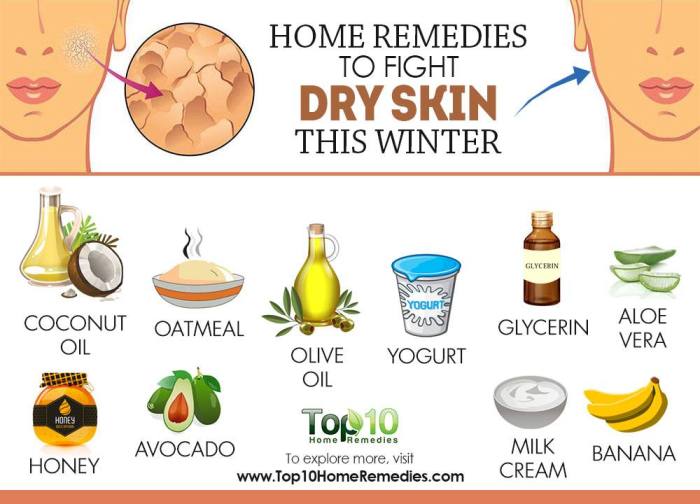
1. Coconut Oil
- Coconut oil is a great natural moisturizer that can help soothe and hydrate dry skin.
- Apply a small amount of coconut oil to the dry areas of your skin and massage gently until fully absorbed.
- Leave it on overnight for best results and wake up to softer, smoother skin.
2. Honey
- Honey is known for its moisturizing and antibacterial properties, making it a fantastic option for dry skin.
- Mix equal parts honey and warm water to create a hydrating face mask.
- Apply the mask to your face, leave it on for 15-20 minutes, then rinse off with warm water.
3. Oatmeal
- Oatmeal can help to relieve dry, itchy skin and provide a soothing effect.
- Grind oatmeal into a fine powder and mix it with water to create a paste.
- Apply the oatmeal paste to your skin, leave it on for 15-20 minutes, then rinse off with lukewarm water.
Herbal Remedies for Dry Skin
When it comes to treating dry skin, herbal remedies can be highly effective in providing moisture and nourishment to the skin. These natural ingredients are known for their hydrating properties and can help improve the overall condition of dry skin.
Herbs with Moisturizing Properties
- Calendula: Calendula is a powerful herb known for its anti-inflammatory and moisturizing properties. It can help soothe dry, irritated skin and promote healing.
- Lavender: Lavender is not only relaxing but also has moisturizing effects on the skin. It can help hydrate dry skin and reduce inflammation.
- Chamomile: Chamomile is another herb that is gentle on the skin and has soothing properties. It can help calm dry, itchy skin and promote hydration.
Herbal Tea Recipes for Skin Hydration
Herbal teas can be a great way to hydrate the skin from the inside out. Here are a couple of recipes for herbal teas that can promote skin hydration:
- Calendula Tea:Boil dried calendula flowers in water to make a soothing tea that can help hydrate the skin from within.
- Lavender Chamomile Tea:Combine dried lavender and chamomile flowers in hot water for a calming and hydrating tea that can benefit dry skin.
Skin Health Tips
Maintaining skin health is crucial for overall well-being as our skin acts as a barrier against external elements, helps regulate body temperature, and plays a role in the immune system. Healthy skin not only looks good but also functions effectively to protect our body.
Importance of Hydration
Hydration is key to skin health as it helps to keep the skin moisturized, supple, and youthful-looking. Lack of hydration can lead to dryness, flakiness, and premature aging of the skin.
- Drink plenty of water throughout the day to keep your skin hydrated from the inside out.
- Use a good quality moisturizer to lock in moisture and prevent water loss from the skin.
- Avoid excessive caffeine and alcohol consumption as they can dehydrate the skin.
Skincare Routines and Practices
Developing a regular skincare routine can help improve skin health and prevent dryness. Consistency is key when it comes to skincare.
- Cleanse your skin gently with a mild cleanser to remove dirt, oil, and impurities without stripping the skin of its natural oils.
- Exfoliate regularly to get rid of dead skin cells and allow for better absorption of moisturizers.
- Apply a nourishing moisturizer suited to your skin type to keep it hydrated and protected.
- Protect your skin from the sun by using sunscreen daily to prevent damage and premature aging.
Bone Density and Muscle Mass
Maintaining strong bones and muscles is crucial for overall health, including skin health. The relationship between bone density, muscle mass, and skin health is interconnected, as they all contribute to the body’s structural integrity and overall well-being.
Exercises for Bone Density and Muscle Mass
Regular weight-bearing exercises such as strength training, resistance exercises, and weightlifting can help improve bone density and muscle mass. These activities stimulate the bones to become stronger and promote muscle growth, which in turn supports the skin’s structure and elasticity.
- Include exercises like squats, lunges, push-ups, and planks in your workout routine to target different muscle groups and promote overall strength.
- Consider incorporating yoga or Pilates to improve flexibility, balance, and muscle tone, which can indirectly support bone density and skin health.
- Cardiovascular exercises like running, cycling, or swimming can also help maintain a healthy weight and support overall bone and muscle health.
Dietary Habits for Bone Density and Muscle Mass
In addition to exercise, a balanced diet rich in nutrients essential for bone health and muscle development is key to supporting skin health.
- Ensure an adequate intake of calcium, vitamin D, and protein to support bone density, muscle growth, and overall skin health.
- Incorporate foods like dairy products, leafy greens, nuts and seeds, lean meats, and fatty fish into your diet to provide essential nutrients for bone and muscle health.
- Avoid excessive consumption of processed foods, sugary drinks, and high-sodium foods, as they can negatively impact bone density and overall health.
Dental Care and Eye Health
Maintaining good oral hygiene and protecting eye health are crucial for overall well-being. These practices not only impact your teeth and vision but also have a direct relation to your skin condition.
Importance of Dental Care for Skin Health
Proper dental care is essential for maintaining healthy skin. Poor oral hygiene can lead to various infections and inflammation in the mouth, which can affect the overall immune system and contribute to skin issues. Here are some tips to ensure good oral health:
- Brush your teeth at least twice a day with fluoride toothpaste.
- Floss daily to remove plaque and food particles between teeth.
- Visit your dentist regularly for check-ups and cleanings.
- Limit sugary and acidic foods that can harm your teeth and skin.
Remember, a healthy smile is not just about your teeth; it reflects your overall health and well-being.
Protecting Eye Health for Skin Appearance
Your eyes play a significant role in how your skin looks and feels. Eye strain, lack of sleep, and poor eye health can contribute to dark circles, puffiness, and premature aging. Here are some ways to protect your eyes:
- Take regular breaks from screens to reduce eye strain.
- Get enough sleep to allow your eyes to rest and rejuvenate.
- Eat a diet rich in antioxidants and nutrients beneficial for eye health.
- Wear sunglasses to protect your eyes from harmful UV rays and reduce squinting.
Healthy eyes not only enhance your vision but also contribute to a vibrant and youthful appearance.
Mental Clarity and Joint Flexibility
Maintaining mental clarity and joint flexibility are crucial aspects that can significantly impact skin health. When our minds are clear and focused, it can help reduce stress levels, which in turn can improve the overall condition of our skin. Similarly, having flexible joints can enhance blood circulation and nutrient delivery to the skin, promoting a healthier complexion.
Exercises to Improve Joint Flexibility and Skin Condition
- Yoga: Practicing yoga regularly can help improve joint flexibility, reduce inflammation, and promote relaxation, leading to better skin health.
- Stretching: Incorporating daily stretching exercises can increase flexibility, loosen tight muscles, and improve blood flow to the skin.
- Tai Chi: Engaging in Tai Chi can enhance balance, coordination, and joint mobility, which can positively impact skin health.
Benefits of Mental Well-being and Flexible Joints for Skin Health
- Reduced Stress: Mental clarity and relaxation techniques can lower stress levels, preventing skin issues like acne and eczema.
- Improved Circulation: Flexible joints support better blood circulation, ensuring essential nutrients reach the skin for a healthy glow.
- Enhanced Skin Elasticity: Flexible joints can contribute to improved skin elasticity, reducing the appearance of wrinkles and fine lines.
Digestive Health and Detox Process
When it comes to skin health, the condition of your digestive system plays a crucial role in determining the overall health and hydration of your skin. Poor digestion can lead to various skin issues, including dryness, irritation, and inflammation.
Natural Methods to Support Detox Process
Supporting your body’s detox process is essential for maintaining healthy skin. Here are some natural methods to aid in detoxification:
- Stay hydrated by drinking plenty of water throughout the day.
- Incorporate fiber-rich foods like fruits, vegetables, and whole grains into your diet to promote regular bowel movements and eliminate toxins.
- Include foods rich in antioxidants, such as berries, green tea, and dark leafy greens, to help neutralize free radicals and support detoxification.
- Practice intermittent fasting or juice cleanses to give your digestive system a break and allow for deeper detoxification.
Role of Gut Health in Skin Hydration
The health of your gut directly impacts the hydration levels of your skin. A balanced gut microbiome helps in the absorption of essential nutrients that are crucial for maintaining skin health and hydration.
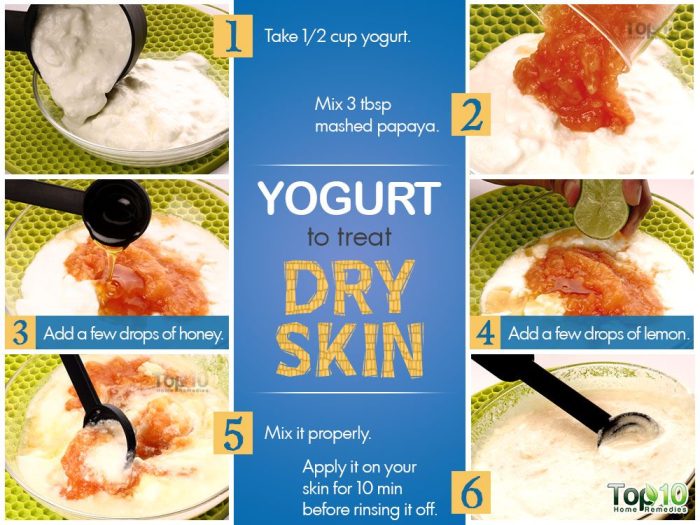
- Probiotic-rich foods like yogurt, kefir, and fermented vegetables can support a healthy gut flora and improve skin hydration.
- Avoiding processed foods, sugar, and artificial additives can help maintain a healthy gut and prevent skin issues like dryness and inflammation.
- Consider taking prebiotic supplements to promote the growth of beneficial gut bacteria and improve overall skin health.
Blood Pressure, Heart Rate, and Health Screenings
Monitoring blood pressure and heart rate is crucial for skin health as these vital signs are indicators of overall cardiovascular health. Poor heart health can lead to decreased blood flow to the skin, resulting in dryness, dullness, and an overall unhealthy appearance.
Regularly checking blood pressure and heart rate can help in identifying potential issues early on and taking preventive measures to maintain skin health.
Significance of Regular Health Screenings
Regular health screenings play a key role in preventing skin issues by allowing healthcare providers to detect any underlying health conditions that may impact the skin. Conditions like high cholesterol, diabetes, and hormonal imbalances can manifest in various skin problems such as acne, eczema, and premature aging.
By staying up to date with health screenings, individuals can address these issues proactively and maintain healthy skin.
Impact of Cardiovascular Health on Skin
Cardiovascular health directly affects the skin’s appearance and condition. Poor heart health can lead to reduced blood flow to the skin, depriving it of essential nutrients and oxygen. This can result in a lackluster complexion, dryness, and even skin conditions like eczema and psoriasis.
Maintaining a healthy heart through regular exercise, a balanced diet, and managing stress levels can significantly improve skin health and overall appearance.
Vaccination Programs and Healthy Habits
Vaccination programs play a crucial role in maintaining overall health and protecting the skin from various diseases. Healthy habits such as proper nutrition and regular exercise also contribute significantly to improving skin health. By incorporating these habits into daily routines, individuals can achieve better skin care and overall well-being.
The Role of Vaccinations in Skin Protection
Vaccinations are essential in preventing infectious diseases that can have detrimental effects on the skin. By boosting the immune system, vaccines help the body fight off harmful pathogens that could lead to skin infections or conditions. Maintaining a regular vaccination schedule recommended by healthcare professionals is key to ensuring optimal skin protection.
Impact of Healthy Habits on Skin Health
Proper nutrition and regular exercise are vital for promoting healthy skin. A diet rich in vitamins, minerals, and antioxidants can nourish the skin from within, leading to a radiant complexion and improved skin texture. Exercise increases blood flow, which helps deliver essential nutrients to the skin cells, promoting overall skin health and vitality.
Incorporating Healthy Habits into Daily Routines
- Eat a balanced diet consisting of fruits, vegetables, whole grains, and lean proteins to support skin health.
- Stay hydrated by drinking an adequate amount of water daily to keep the skin hydrated and supple.
- Engage in regular physical activity such as walking, jogging, or yoga to improve blood circulation and skin tone.
- Practice good skincare habits, including cleansing, moisturizing, and applying sunscreen to protect the skin from damage.
Balanced Hormones and Health Coaching
When it comes to skin health, balanced hormones play a crucial role in maintaining a clear and radiant complexion. Hormonal imbalances can lead to various skin issues such as acne, dryness, and premature aging. This is where health coaching can make a significant difference in improving skin health and overall well-being.
The Connection Between Balanced Hormones and Skin Condition
Imbalanced hormones can trigger inflammation in the body, which can manifest on the skin in the form of redness, acne, or dry patches. Estrogen, testosterone, and thyroid hormones all play a role in skin health, influencing factors like oil production, collagen synthesis, and skin elasticity.
By ensuring hormonal balance, you can promote healthier skin from the inside out.
Benefits of Health Coaching in Improving Skin Health
- Personalized guidance: Health coaches can create individualized plans tailored to your specific skin concerns and hormonal imbalances.
- Accountability and support: Having a health coach to provide motivation and encouragement can help you stay committed to your skin health goals.
- Educational resources: Health coaches can offer valuable information on lifestyle changes, nutrition, and stress management techniques to improve skin health.
Strategies for Balancing Hormones Naturally
- Healthy diet: Incorporate foods rich in omega-3 fatty acids, antioxidants, and fiber to support hormonal balance.
- Regular exercise: Physical activity can help regulate hormone levels and reduce stress, which is beneficial for skin health.
- Stress management: Practice relaxation techniques such as meditation, yoga, or deep breathing exercises to lower cortisol levels and balance hormones.
- Adequate sleep: Lack of sleep can disrupt hormone production, so aim for 7-9 hours of quality sleep each night to support hormonal balance.
Fitness Goals and Diet Planning
Maintaining fitness goals and proper diet planning play a crucial role in achieving optimal skin health. The food we eat and the exercises we do can greatly impact the hydration and overall appearance of our skin. Here are some tips on how to create a balanced diet that supports skin health and exercises that can benefit the skin:
Balanced Diet for Skin Health
- Aim to include plenty of fruits and vegetables in your diet as they are rich in antioxidants that help protect skin cells from damage.
- Ensure you are consuming an adequate amount of healthy fats, such as those found in avocados and nuts, to keep your skin moisturized and supple.
- Stay hydrated by drinking enough water throughout the day to maintain skin elasticity and flush out toxins.
- Avoid excessive consumption of processed foods, sugary snacks, and alcohol, as they can contribute to skin inflammation and breakouts.
Workout Routines for Skin Health
- Incorporate cardiovascular exercises like running or cycling into your routine to improve blood circulation, delivering essential nutrients to the skin cells.
- Include strength training exercises like weightlifting or bodyweight exercises to promote collagen production, keeping your skin firm and youthful.
- Practice yoga or pilates to reduce stress levels, which can help prevent stress-related skin issues like acne and eczema.
- Don’t forget to prioritize rest and recovery to allow your skin to repair and regenerate during sleep.
Health Supplements and Breathing Techniques
When it comes to improving skin condition and dryness, health supplements and breathing techniques can play a significant role. Health supplements can provide essential nutrients that may be lacking in your diet, while breathing techniques can promote relaxation and skin rejuvenation.
Proper breathing is also crucial for maintaining skin health and vitality.
Health Supplements for Skin Health
- Consider incorporating supplements like vitamin E, vitamin C, and omega-3 fatty acids to help nourish and hydrate your skin from within.
- Collagen supplements can also support skin elasticity and firmness, reducing the appearance of dryness and fine lines.
- Consult with a healthcare professional before starting any new supplement regimen to ensure it is safe and suitable for your individual needs.
Breathing Techniques for Skin Rejuvenation
- Practice deep breathing exercises to increase oxygen flow to your skin cells, promoting cell regeneration and a healthy glow.
- Incorporate mindfulness techniques like meditation or yoga to reduce stress levels, which can contribute to skin issues like dryness and inflammation.
- Try facial yoga exercises that involve specific breathing patterns to improve blood circulation and tone facial muscles for a more youthful appearance.
Disease Prevention and Pain Management: How To Treat Dry Skin With Home Remedies
In maintaining overall health, disease prevention and pain management play crucial roles. Not only do these practices contribute to a healthier body, but they can also have a positive impact on skin health. Here, we will explore how disease prevention can benefit the skin, natural methods for managing pain that can also promote skin health, and tips for reducing inflammation and supporting skin healing.
Disease Prevention for Better Skin Health, How to treat dry skin with home remedies
- Regular exercise and a balanced diet can help boost the immune system, reducing the risk of infections that may impact skin health.
- Drinking an adequate amount of water daily can keep the skin hydrated and promote elasticity, reducing the appearance of dryness and wrinkles.
- Practicing good hygiene, including regular handwashing and skincare routines, can prevent skin conditions caused by bacteria or viruses.
Natural Pain Management Methods for Skin Health
- Applying aloe vera gel or coconut oil topically can help soothe skin discomfort and promote healing, as they have anti-inflammatory and moisturizing properties.
- Using essential oils like lavender or chamomile in a diffuser can help relax the body and mind, reducing stress that may exacerbate skin conditions.
- Incorporating turmeric into your diet or using it topically can help reduce inflammation and pain, benefiting both overall health and skin condition.
Tips for Reducing Inflammation and Promoting Skin Healing
- Consuming foods rich in antioxidants, such as berries, nuts, and leafy greens, can help combat inflammation and support skin regeneration.
- Practicing stress-reducing techniques like yoga, meditation, or deep breathing exercises can lower cortisol levels, which can contribute to skin issues like acne or eczema.
- Getting an adequate amount of sleep each night is essential for skin repair and regeneration, as the body undergoes healing processes during rest.
Holistic Treatments and Mental Resilience
Holistic treatments focus on treating the whole person, including physical, mental, and emotional aspects, in order to achieve overall well-being. Mental resilience plays a crucial role in coping with skin issues, as stress and anxiety can exacerbate dry skin conditions.
By incorporating mindfulness practices into your daily routine, you can promote mental well-being and ultimately improve the health of your skin.
Benefits of Holistic Treatments for Skin Health
Holistic treatments such as aromatherapy, acupuncture, and herbal medicine can help enhance skin health and moisture levels naturally. These treatments address the root causes of skin issues rather than just treating the symptoms, resulting in long-lasting effects. By incorporating these holistic approaches into your skincare routine, you can promote overall skin health and radiance.
Importance of Mental Resilience in Skin Care
Mental resilience refers to the ability to adapt to stress and adversity, which is crucial in managing skin conditions like dryness and irritation. High levels of stress can trigger inflammatory responses in the body, leading to skin issues. By practicing stress-reducing techniques such as meditation, deep breathing, and yoga, you can improve your mental resilience and support healthy skin function.
Mindfulness Practices for Healthy Skin
Mindfulness practices involve being present in the moment and cultivating awareness of your thoughts and feelings. By incorporating mindfulness meditation, body scans, and gratitude practices into your daily routine, you can reduce stress levels, promote mental well-being, and improve skin health.
Mindfulness can also help you develop a positive relationship with your skin, leading to better self-care habits and overall skin health.
End of Discussion
In conclusion, embracing these home remedies and holistic approaches can lead to improved skin health and overall well-being. By incorporating these practices into your daily routine, you can achieve hydrated, glowing skin naturally. Take charge of your skin health today and experience the transformative effects of these simple yet powerful solutions.
FAQ Explained
Can dry skin be effectively treated with home remedies alone?
Yes, home remedies can be highly effective in treating dry skin when used consistently and in combination with good skincare practices.
Are herbal teas beneficial for improving skin hydration?
Absolutely! Herbal teas contain antioxidants and nutrients that can help promote skin hydration and overall skin health.
How important is maintaining skin health for preventing dryness?
Maintaining skin health is crucial for preventing dryness as healthy skin is better equipped to retain moisture and stay hydrated.
Can mental well-being influence the condition of the skin?
Yes, mental well-being plays a significant role in skin health as stress and emotional imbalance can affect the skin’s appearance and condition.


