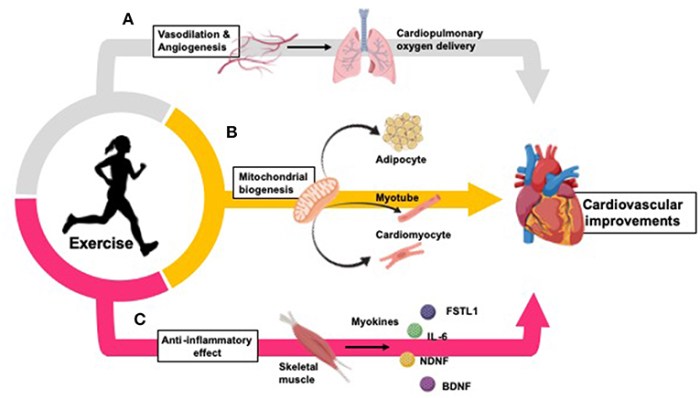
Importance of exercise in controlling blood pressure is crucial for overall cardiovascular health. Regular physical activity plays a significant role in managing blood pressure levels and promoting a healthy lifestyle. Let’s delve into the impact of exercise on blood pressure regulation and explore how different types of exercises can benefit your heart health.
Exercise is not just about staying fit; it directly impacts your heart’s well-being. By understanding the relationship between physical activity and blood pressure, we can make informed choices to improve our cardiovascular health.
Importance of Exercise in Controlling Blood Pressure
Regular exercise plays a crucial role in managing and controlling blood pressure levels. By incorporating physical activity into your daily routine, you can significantly lower your blood pressure and reduce the risk of hypertension-related complications.
Types of Exercises Beneficial for Managing Blood Pressure
- Aerobic exercises such as walking, jogging, swimming, or cycling help strengthen the heart and improve blood circulation.
- Strength training exercises like weightlifting or resistance training can enhance muscle mass and metabolism, leading to improved overall cardiovascular health.
- Flexibility and balance exercises, including yoga or tai chi, promote relaxation and stress reduction, which are essential for maintaining healthy blood pressure levels.
Relationship Between Physical Activity and Blood Pressure Regulation
Regular physical activity helps regulate blood pressure by improving the efficiency of the heart, reducing the stiffness of blood vessels, and enhancing the overall cardiovascular system’s function. Exercise also aids in weight management and stress reduction, both of which are critical factors in controlling blood pressure.
Impact of Exercise on Overall Cardiovascular Health
Regular exercise not only helps lower blood pressure but also reduces the risk of heart disease, stroke, and other cardiovascular conditions. It improves cholesterol levels, increases circulation, and strengthens the heart muscle, leading to better overall cardiovascular health and longevity.
Wellness Programs
Wellness programs are designed to promote overall health and well-being by incorporating various components that focus on improving physical, mental, and emotional wellness.
Components of a Comprehensive Wellness Program
- Regular health screenings to monitor blood pressure levels and identify any potential issues.
- Nutritional counseling to encourage a healthy diet that can help manage blood pressure.
- Stress management techniques such as mindfulness and relaxation exercises to reduce stress levels.
- Physical activity programs that include exercise routines tailored to control blood pressure.
- Health education sessions to increase awareness about the importance of maintaining a healthy lifestyle.
Benefits of Participating in Wellness Programs for Blood Pressure Management
- Improved blood pressure control through regular monitoring and targeted interventions.
- Reduced risk of developing hypertension and other cardiovascular diseases.
- Increased overall fitness levels and energy levels.
- Enhanced mental well-being and reduced stress levels.
- Greater motivation and support for maintaining a healthy lifestyle.
Incorporating Exercise Routines in Wellness Programs
Exercise plays a crucial role in controlling blood pressure as it helps strengthen the heart, improve circulation, and reduce stress levels. Wellness programs can incorporate exercise routines by offering various physical activities such as:
- Aerobic exercises like walking, jogging, or cycling to improve cardiovascular health.
- Strength training exercises using weights or resistance bands to build muscle strength.
- Flexibility exercises like yoga or stretching to improve mobility and reduce muscle tension.
- Group fitness classes or sports activities to make exercise more engaging and enjoyable.
Examples of Successful Wellness Programs Promoting Physical Activity
One successful wellness program is the “Corporate Wellness Challenge” which encourages employees to participate in team-based fitness activities and competitions to improve their overall health. Another example is the “Community Health and Wellness Fair” that offers free health screenings, fitness classes, and educational workshops to promote physical activity and healthy living in the community.
Herbal Remedies for Blood Pressure
Herbal remedies have been used for centuries to help maintain healthy blood pressure levels. These natural alternatives to pharmaceutical medications can provide additional support in managing hypertension.
Popular Herbs and Plants for Blood Pressure Control, Importance of exercise in controlling blood pressure
Several herbs and plants are known for their blood pressure-controlling properties. Some of the most popular ones include:
- Garlic:Known for its ability to lower blood pressure, garlic can be consumed raw or as a supplement.
- Hawthorn:This herb is believed to dilate blood vessels and improve blood flow, aiding in blood pressure regulation.
- Hibiscus:Hibiscus tea has been shown to reduce blood pressure levels due to its diuretic properties.
- Olive Leaf:Rich in antioxidants, olive leaf extract may help lower blood pressure and improve overall heart health.
Precautions and Considerations for Using Herbal Remedies
When considering herbal remedies for blood pressure management, it is important to consult with a healthcare provider, especially if you are taking other medications. Some precautions to keep in mind include:
- Avoid combining herbal remedies with prescription medications without medical advice.
- Monitor your blood pressure regularly when using herbal treatments to ensure they are effective.
- Be aware of potential interactions between herbs and other supplements you may be taking.
Benefits and Risks of Herbal Treatments
Herbal treatments offer various benefits for blood pressure control, such as fewer side effects compared to pharmaceutical drugs and potential overall health improvements. However, there are also risks involved, including:
- Not all herbs are regulated or standardized, leading to variations in potency and quality.
- Sensitive individuals may experience allergic reactions or adverse effects from certain herbs.
- Herbs can interact with medications and other supplements, potentially causing harmful effects.
Skin Health and Exercise
Regular exercise is not only beneficial for our overall health but also plays a crucial role in maintaining healthy skin. The relationship between exercise, blood pressure, and skin health is interconnected, as improved blood circulation from exercise helps deliver essential nutrients and oxygen to the skin cells, promoting a healthy complexion.
Impact of Blood Pressure on Skin Conditions and Appearance
Elevated blood pressure can contribute to various skin conditions such as acne, psoriasis, and eczema. The reduced blood flow resulting from high blood pressure can affect the skin’s ability to heal, leading to delayed wound recovery and a dull complexion.
Additionally, chronic high blood pressure can accelerate the aging process, resulting in wrinkles and fine lines.
- Exercise increases blood flow, delivering more oxygen and nutrients to the skin, promoting a youthful glow and improving overall skin health.
- Regular physical activity can help reduce stress levels, which in turn can decrease the likelihood of stress-related skin conditions such as acne and eczema.
- Hydrate before, during, and after your workout to maintain skin elasticity and prevent dehydration, which can exacerbate skin issues.
- Wear sunscreen when exercising outdoors to protect your skin from harmful UV rays, which can cause premature aging and skin damage.
Bone Density and Exercise
Regular exercise not only helps in controlling blood pressure but also plays a crucial role in maintaining bone density. The link between exercise, blood pressure, and bone density is significant as physical activity can positively impact overall health.
Benefits of Weight-Bearing Exercises
Weight-bearing exercises, such as walking, jogging, dancing, and weightlifting, are essential for promoting bone health and controlling blood pressure. These exercises help in strengthening bones, reducing the risk of osteoporosis, and improving cardiovascular health.
- Walking: A simple yet effective weight-bearing exercise that can be easily incorporated into daily routines. It helps in improving bone density in the lower body and can contribute to better blood pressure management.
- Weightlifting: By lifting weights or using resistance bands, individuals can increase bone strength and density, leading to improved overall bone health.
- Dancing: Engaging in dance routines can be a fun way to promote bone density and cardiovascular fitness, which in turn can help in controlling blood pressure.
Tips for Maintaining Strong Bones
In addition to specific exercises, there are several tips for maintaining strong bones through physical activity. Consistency and variety in workouts are key to enhancing bone density and overall health.
- Include weight-bearing exercises at least 3-4 times a week in your fitness routine.
- Combine strength training with cardiovascular exercises for a comprehensive workout regimen.
- Ensure proper form and technique to prevent injuries and maximize the benefits of each exercise.
- Consult with a fitness professional or healthcare provider to create a personalized exercise plan based on your individual needs and goals.
Muscle Mass and Blood Pressure Management
Regular exercise that focuses on building muscle mass can have a positive impact on blood pressure levels. When muscles are strengthened through resistance training, it can help in managing and controlling blood pressure effectively.
Role of Resistance Training in Blood Pressure Control
Resistance training plays a crucial role in blood pressure control as it helps improve overall cardiovascular health. By engaging in strength-training exercises, individuals can lower their blood pressure and reduce the risk of heart-related issues. Some examples of strength-training exercises include:
- Squats
- Lunges
- Deadlifts
- Bench press
- Shoulder press
Connection between Muscle Health, Exercise, and Cardiovascular Wellness
Maintaining muscle health through regular exercise not only helps in managing blood pressure but also contributes to overall cardiovascular wellness. Stronger muscles can support the cardiovascular system, leading to better circulation and heart health. By incorporating strength-training exercises into a fitness routine, individuals can improve their muscle mass, which in turn positively impacts their blood pressure levels.
Dental Care and Blood Pressure
Maintaining good oral hygiene is not only essential for healthy teeth and gums but also plays a crucial role in overall health, including blood pressure regulation. The relationship between oral health, blood pressure, and exercise is interconnected, highlighting the importance of incorporating dental care practices into an active lifestyle for optimal blood pressure management.
Impact of Good Oral Hygiene on Blood Pressure
- Good oral hygiene practices, such as regular brushing and flossing, can help prevent gum disease and reduce inflammation in the mouth.
- Reducing inflammation in the gums can have a positive impact on overall inflammation in the body, potentially lowering blood pressure levels.
- Studies have shown that individuals with gum disease are more likely to have higher blood pressure compared to those with healthy gums.
Tips for Incorporating Dental Care into an Active Lifestyle
- Brush your teeth at least twice a day and floss daily to maintain good oral hygiene.
- Visit your dentist regularly for check-ups and cleanings to prevent gum disease and other oral health issues.
- Choose sugar-free gum or mints to freshen your breath and promote saliva production, which helps wash away food particles and reduce bacterial growth.
- Stay hydrated by drinking plenty of water throughout the day to keep your mouth moist and prevent dry mouth, which can contribute to tooth decay and gum disease.
Eye Health Benefits of Exercise
Regular exercise plays a crucial role in supporting overall eye health and can have a positive impact on managing blood pressure. Let’s explore how physical activity can benefit your eyes and contribute to regulating blood pressure.
Relationship between Exercise, Eye Health, and Blood Pressure
Regular physical activity, such as cardiovascular exercises, can improve blood circulation throughout the body, including the eyes. This increased blood flow helps deliver essential nutrients and oxygen to the eyes, promoting better eye health. Additionally, exercise can help reduce the risk of conditions like glaucoma and age-related macular degeneration, which are linked to high blood pressure.
Tips for Eye Care Practices and Exercise
- Incorporate eye exercises into your routine to help maintain optimal vision and reduce eye strain.
- Wear protective eyewear during physical activities to prevent injuries that could affect your eyes.
- Stay hydrated to support overall eye health and maintain proper lubrication.
Importance of Regular Eye Check-ups
Routine eye check-ups are essential for detecting any potential eye issues early on. By monitoring your eye health regularly, you can address any concerns promptly and ensure that your eyes are well taken care of. When managing blood pressure, it is crucial to prioritize your eye health through regular check-ups and a holistic approach to wellness.
Mental Clarity and Physical Activity
Regular physical activity not only benefits the body but also plays a crucial role in maintaining mental clarity and focus. Exercise has been shown to have cognitive benefits that can aid in managing blood pressure and overall mental well-being.
Cognitive Benefits of Exercise
Regular exercise can improve cognitive function by increasing blood flow to the brain, promoting the growth of new brain cells, and enhancing overall brain health. This can result in improved memory, focus, and mental clarity, which are essential in managing stress and blood pressure levels.
- Cardiovascular exercises such as running, cycling, or swimming help increase blood flow to the brain, improving cognitive function.
- Strength training exercises like weightlifting can boost brain health by stimulating the growth of new neurons.
- Yoga and meditation can help reduce stress, improve focus, and promote mental well-being.
Impact of Stress Reduction through Exercise
Exercise is a powerful tool in reducing stress levels, which can have a significant impact on mental health and blood pressure management. Physical activity triggers the release of endorphins, also known as “feel-good” hormones, which can help alleviate anxiety, depression, and other mental health issues.
By incorporating regular exercise into your routine, you can not only improve your physical health but also enhance your mental clarity and focus, leading to better blood pressure management and overall well-being.
Joint Flexibility and Exercise
Regular exercise is crucial for managing blood pressure, and joint flexibility plays a key role in maintaining an active lifestyle. When our joints are flexible, it allows for a wider range of motion during physical activities, which can contribute to better blood pressure control.
Benefits of Improving Joint Flexibility
Improving joint flexibility through stretching exercises can benefit blood pressure management in several ways. Enhanced flexibility can lead to better posture, reduced muscle tension, and improved circulation, all of which are essential for overall cardiovascular health. Additionally, increased joint flexibility can help prevent injuries during exercise, allowing individuals to engage in physical activities consistently to maintain healthy blood pressure levels.
- Regular stretching routines can help maintain joint health and improve overall flexibility, contributing to better blood pressure control.
- Yoga and Pilates are excellent forms of exercise that focus on improving joint flexibility while also providing stress-relief benefits that can positively impact blood pressure.
- Dynamic stretching exercises, such as leg swings or arm circles, can help warm up the muscles and increase joint flexibility before engaging in more intense physical activities.
Tips for Preventing Joint Injuries
It’s essential to take precautions to prevent joint injuries while engaging in physical activity to manage blood pressure effectively. Here are some tips to keep in mind:
- Start with a proper warm-up routine to prepare your muscles and joints for exercise.
- Avoid overstretching or pushing your joints beyond their limits to prevent strains or sprains.
- Listen to your body and stop any exercise that causes pain or discomfort in your joints.
- Stay hydrated and maintain a balanced diet to support joint health and overall well-being.
Digestive Health and Exercise
Regular physical activity is not only beneficial for blood pressure management but also plays a crucial role in supporting a healthy digestive system. The connection between exercise, digestive health, and blood pressure regulation is significant as they are all interconnected in maintaining overall wellness.
Exercise and Digestive Health Benefits
- Exercise helps in speeding up the digestion process by increasing blood flow to the organs involved in digestion, leading to better nutrient absorption and waste elimination.
- Physical activity can reduce the risk of common digestive issues such as constipation, bloating, and indigestion by promoting regular bowel movements.
- Regular exercise can alleviate symptoms of gastrointestinal disorders like irritable bowel syndrome (IBS) and improve overall gut health.
Impact of Diet and Exercise on Digestive Health
- A balanced diet rich in fiber, fruits, vegetables, and lean proteins combined with regular exercise can prevent digestive issues that may indirectly affect blood pressure levels.
- Hydration is essential for both digestion and exercise performance, as water helps in breaking down food and transporting nutrients while also regulating body temperature during physical activity.
- Limiting intake of processed foods, alcohol, and caffeine along with engaging in regular exercise can improve gut motility and reduce inflammation in the digestive tract.
Incorporating Exercises for Digestive Health
- Aerobic exercises like walking, running, or cycling can stimulate bowel movements and improve overall digestion by increasing heart rate and blood flow to the digestive organs.
- Yoga and stretching exercises can help in relieving stress and promoting relaxation, which is beneficial for reducing symptoms of digestive issues like acid reflux or stomach cramps.
- Core strengthening exercises such as planks or Pilates can enhance abdominal muscle function, supporting better digestion and preventing gastrointestinal discomfort.
Detox Process and Blood Pressure
Regular exercise plays a crucial role in supporting the body’s natural detoxification processes, which can have a significant impact on blood pressure levels. By engaging in physical activity, individuals can help their bodies eliminate toxins and waste more efficiently, potentially leading to better blood pressure control.
Role of Physical Activity in Promoting Detoxification
Regular physical activity helps improve circulation, leading to better oxygen and nutrient delivery to cells throughout the body. This enhanced circulation also supports the lymphatic system, which plays a key role in removing toxins and waste from the body. By promoting detoxification, exercise can help reduce inflammation and oxidative stress, both of which can contribute to high blood pressure.
- Increased sweating during exercise helps eliminate toxins through the skin.
- Improved blood flow enhances the function of the liver and kidneys, key organs involved in detoxification.
- Regular movement stimulates the lymphatic system, aiding in the removal of waste and toxins.
Tips for Combining Exercise with Detox Routines
To maximize the benefits of exercise on detoxification and blood pressure management, individuals can consider incorporating the following tips into their wellness routine:
- Stay hydrated before, during, and after exercise to support the body’s detox processes.
- Include a variety of exercises, such as cardio, strength training, and flexibility exercises, to target different detox pathways.
- Combine exercise with healthy eating habits, rich in antioxidants and nutrients that support detoxification.
Benefits of a Healthy Lifestyle for Supporting Detox Mechanisms
Adopting a healthy lifestyle that includes regular exercise can have numerous benefits for the body’s detox mechanisms and overall well-being. Some of these benefits include:
- Reduced inflammation and oxidative stress, which can contribute to lower blood pressure.
- Improved immune function and cellular repair, supporting the body’s detox processes.
- Enhanced energy levels and mental clarity, promoting a sense of overall wellness.
Blood Pressure Monitoring and Health Screenings
Regular monitoring of blood pressure is crucial for overall health management. By keeping track of blood pressure levels, individuals can detect any changes or abnormalities early on, allowing for timely interventions to prevent complications.Health screenings play a vital role in identifying early signs of high blood pressure.
These screenings can help healthcare providers assess the risk factors and recommend appropriate lifestyle modifications, including exercise routines, to manage blood pressure effectively.
Significance of Blood Pressure Monitoring
- Regular blood pressure monitoring helps in early detection of hypertension, reducing the risk of heart disease, stroke, and other complications.
- Monitoring blood pressure levels allows for personalized exercise routines tailored to individual needs for better blood pressure management.
- Health screenings enable healthcare professionals to track progress, adjust treatment plans, and provide necessary support for individuals focusing on blood pressure control.
Frequency of Health Screenings
- It is recommended to have blood pressure checked at least once a year for adults with normal blood pressure levels.
- Individuals with high blood pressure or other risk factors may need more frequent screenings as advised by their healthcare provider.
- Regular health screenings are essential for early detection of hypertension and monitoring progress towards better blood pressure control.
Vaccination Programs and Blood Pressure
Incorporating vaccination programs into overall health management can play a significant role in influencing blood pressure levels positively. Vaccinations are essential for protecting individuals against various diseases that could potentially impact blood pressure and overall health.
Role of Vaccinations in Blood Pressure Management
Vaccinations serve as a preventive measure against infectious diseases that can lead to complications affecting blood pressure. By reducing the risk of such illnesses, vaccinations contribute to maintaining stable blood pressure levels and supporting overall well-being.
- Vaccinations for individuals with high blood pressure may include flu shots, pneumonia vaccines, and other immunizations recommended by healthcare providers.
- Immunizing against diseases like influenza and pneumonia can help prevent infections that may trigger fluctuations in blood pressure.
- By participating in vaccination programs, individuals with high blood pressure can enhance their immune system’s ability to combat illnesses that could influence blood pressure control.
Healthy Habits and Blood Pressure Control
Regularly practicing key healthy habits is crucial for effective blood pressure management. Lifestyle choices play a significant role in maintaining healthy blood pressure levels and overall wellness. By developing sustainable habits, individuals can support their blood pressure control in the long term.
Importance of Healthy Eating
- Eat a balanced diet rich in fruits, vegetables, whole grains, and lean proteins.
- Avoid excessive salt, saturated fats, and processed foods.
- Monitor portion sizes and practice mindful eating.
Regular Physical Activity
- Engage in aerobic exercises like walking, swimming, or cycling for at least 30 minutes a day.
- Incorporate strength training exercises to improve muscle tone and cardiovascular health.
- Finding activities you enjoy can make it easier to stick to a consistent exercise routine.
Stress Management Techniques
- Practice relaxation techniques such as deep breathing, meditation, or yoga to reduce stress levels.
- Engage in hobbies or activities that bring you joy and promote mental well-being.
- Prioritize self-care and take breaks when needed to prevent burnout.
Adequate Sleep and Hydration
- Ensure you get 7-9 hours of quality sleep each night to support overall health.
- Stay hydrated by drinking plenty of water throughout the day.
- Aim for consistent sleep and hydration patterns to maintain optimal blood pressure levels.
Balanced Hormones and Exercise
Regular exercise plays a crucial role in balancing hormones, which can have a significant impact on blood pressure regulation. Hormones such as cortisol, insulin, and adrenaline are closely linked to blood pressure levels, and maintaining their balance through physical activity can help promote overall wellness.
Exercises for Hormonal Balance and Blood Pressure Control
- Cardiovascular exercises like running, cycling, or swimming can help reduce cortisol levels and improve insulin sensitivity, leading to better blood pressure management.
- Strength training exercises such as weightlifting or resistance band workouts can increase testosterone levels, which in turn can support hormonal equilibrium and contribute to optimal blood pressure levels.
- Yoga and Pilates are effective in reducing stress hormones like cortisol and promoting relaxation, which can have a positive impact on hormonal balance and blood pressure regulation.
Tips for Lifestyle Practices Supporting Hormonal Equilibrium
- Get an adequate amount of sleep each night to allow your body to regulate hormone production effectively.
- Eat a balanced diet rich in vitamins, minerals, and antioxidants to support hormone synthesis and balance.
- Avoid excessive alcohol consumption and smoking, as these habits can disrupt hormonal levels and negatively affect blood pressure.
- Practice stress-reducing activities like meditation, deep breathing exercises, or spending time in nature to help manage cortisol levels and promote hormonal harmony.
Health Coaching for Blood Pressure Control
Health coaching plays a crucial role in assisting individuals in managing their blood pressure through lifestyle modifications. By providing support, guidance, and personalized plans, health coaches help clients make sustainable changes to improve their overall health and well-being.
Role of Health Coaches in Blood Pressure Management
- Health coaches can educate clients about the importance of regular exercise, healthy eating habits, stress management, and proper sleep patterns in controlling blood pressure.
- They work closely with clients to set realistic fitness goals tailored to their individual needs and abilities, promoting adherence to exercise routines that can effectively lower blood pressure levels.
- Health coaches provide ongoing support and motivation to help clients stay committed to their blood pressure management plan, making adjustments as needed to ensure progress and success.
Benefits of Personalized Health Coaching Programs
- Personalized health coaching programs address specific blood pressure concerns by taking into account individual health history, lifestyle factors, and preferences.
- By focusing on personalized goals and strategies, health coaches can help clients achieve sustainable changes that lead to long-term blood pressure control and overall health improvement.
- Health coaching programs offer a holistic approach to blood pressure management, addressing not only physical health but also emotional well-being and stress reduction, which are crucial in controlling hypertension.
Tips for Finding a Qualified Health Coach
- Look for health coaches with accredited certifications and relevant experience in blood pressure management and lifestyle modifications.
- Consider the coach’s approach, communication style, and ability to create a supportive and motivating environment that fosters client success.
- Seek recommendations from healthcare providers, friends, or family members who have benefited from health coaching services for blood pressure control.
Fitness Goals and Blood Pressure Management: Importance Of Exercise In Controlling Blood Pressure
Regular exercise plays a crucial role in managing blood pressure levels effectively. Setting realistic fitness goals is essential for achieving optimal results in blood pressure control.
Importance of Setting Realistic Fitness Goals
Setting realistic fitness goals is important because it helps individuals stay motivated and focused on their blood pressure management journey. By establishing achievable targets, people are more likely to adhere to their exercise routine and make sustainable lifestyle changes.
Impact of Achieving Fitness Milestones on Blood Pressure Levels
Reaching fitness milestones, such as increasing cardiovascular endurance or muscle strength, can lead to positive changes in blood pressure levels. Improved fitness levels often correlate with lower blood pressure readings, reducing the risk of hypertension and related health complications.
Role of Regular Exercise in Fitness Goals for Blood Pressure Management
Regular exercise is key to reaching and maintaining fitness goals related to blood pressure management. Activities like aerobic exercise, strength training, and flexibility exercises all contribute to overall cardiovascular health and can help in controlling blood pressure effectively.
Examples of Measurable Fitness Targets for Blood Pressure Improvement
- Increasing weekly aerobic exercise duration to at least 150 minutes
- Achieving a target heart rate during cardio workouts for optimal cardiovascular benefits
- Improving muscle strength through resistance training at least twice a week
- Enhancing flexibility and balance with activities like yoga or Pilates to support overall fitness goals
Diet Planning for Blood Pressure

The significance of diet in conjunction with exercise for managing blood pressure cannot be overstated. A balanced diet plays a crucial role in supporting blood pressure control and overall health. By making smart dietary choices, individuals can complement their physical activity efforts and further enhance the management of their blood pressure levels.
Creating a Balanced Diet Plan
- Focus on incorporating a variety of fruits and vegetables into your meals. These nutrient-dense foods are rich in vitamins, minerals, and antioxidants that can help regulate blood pressure.
- Include whole grains, lean proteins, and healthy fats in your diet to ensure a well-rounded nutritional intake.
- Limit your intake of sodium, saturated fats, and added sugars, as these can contribute to high blood pressure and other health issues.
- Stay hydrated by drinking an adequate amount of water throughout the day, as dehydration can affect blood pressure levels.
Foods Beneficial for Blood Pressure Management
- Leafy greens such as spinach, kale, and Swiss chard are excellent sources of potassium, a mineral that helps to regulate blood pressure.
- Fatty fish like salmon, mackerel, and sardines are rich in omega-3 fatty acids, which have been shown to support heart health and blood pressure control.
- Nuts, seeds, and legumes provide healthy fats, protein, and fiber that can contribute to overall cardiovascular wellness.
- Berries, avocados, and citrus fruits are packed with antioxidants and nutrients that promote heart health and may help lower blood pressure.
Health Supplements and Blood Pressure
Regular exercise plays a crucial role in managing blood pressure, but incorporating health supplements can also support this process. It is essential to understand the role of supplements in conjunction with exercise for effective blood pressure management.
Popular Supplements for Blood Pressure Control
- Omega-3 fatty acids: Known for their anti-inflammatory properties, omega-3 supplements can help reduce blood pressure levels.
- Coenzyme Q10 (CoQ10): This antioxidant may improve blood vessel function and lower blood pressure.
- Magnesium: Deficiency in magnesium has been linked to high blood pressure, making magnesium supplements beneficial for some individuals.
Precautions and Considerations
- Consult a healthcare provider before adding any supplements to your routine, as they can interact with medications or have side effects.
- Avoid high doses of supplements, as excessive intake can be harmful and may not necessarily improve blood pressure control.
- Be mindful of the quality and credibility of the supplements you choose, opting for trusted brands with transparent ingredient lists.
Consulting Healthcare Providers for Supplement Use
Before incorporating any supplements into your exercise routine for blood pressure management, it is crucial to seek guidance from a healthcare provider. They can provide personalized recommendations based on your health status, medication regimen, and specific needs. Consulting a professional ensures that you are taking the right supplements in the correct dosage to complement your exercise efforts effectively.
Breathing Techniques for Blood Pressure Control
Proper breathing techniques play a crucial role in regulating blood pressure during exercise. By practicing mindful breathing, individuals can support their cardiovascular health and effectively manage their blood pressure levels. Here are some examples of breathing exercises that can help in controlling blood pressure:
Diaphragmatic Breathing
- Diaphragmatic breathing involves breathing deeply into the lungs, allowing the diaphragm to expand fully.
- This technique can help reduce stress and anxiety, which are often linked to high blood pressure.
- Practice diaphragmatic breathing by inhaling through your nose for a count of four, holding your breath for a count of four, and then exhaling slowly through your mouth for a count of six.
Alternate Nostril Breathing
- Alternate nostril breathing is a yoga technique that helps balance the body’s energy and calm the mind.
- This exercise can aid in reducing blood pressure and promoting relaxation.
- To practice alternate nostril breathing, use your right thumb to close off your right nostril and inhale deeply through your left nostril. Then, close off your left nostril with your right ring finger and exhale through your right nostril. Repeat on the other side.
Box Breathing
- Box breathing is a simple technique that involves equal parts of inhalation, holding your breath, exhalation, and holding your breath again.
- This method can help calm the nervous system and reduce stress, ultimately benefiting blood pressure control.
- To practice box breathing, inhale for a count of four, hold your breath for a count of four, exhale for a count of four, and hold your breath again for a count of four. Repeat the cycle.
Incorporating Breathing Techniques into Workouts
- Before starting your workout, take a few minutes to focus on deep, intentional breathing to prepare your body for physical activity.
- During exercises, such as weightlifting or cardio, remember to maintain steady breathing to support your blood pressure regulation.
- After completing your workout, engage in a cool-down period that includes relaxation techniques like deep breathing to help your body recover and stabilize your blood pressure.
Disease Prevention through Exercise
Regular exercise plays a crucial role in preventing various diseases, including those related to high blood pressure. An active lifestyle can significantly impact overall well-being and reduce the risk of developing serious health conditions.
Benefits of Disease Prevention through Exercise
- Reduced risk of cardiovascular diseases: Regular physical activity helps strengthen the heart muscle, improve circulation, and lower blood pressure, reducing the risk of heart disease and stroke.
- Improved metabolic health: Exercise can help regulate blood sugar levels, cholesterol, and insulin sensitivity, reducing the risk of diabetes and metabolic syndrome.
- Enhanced immune function: Physical activity boosts the immune system, reducing the risk of infections and chronic diseases.
- Weight management: Regular exercise helps maintain a healthy weight, reducing the risk of obesity-related diseases such as hypertension, diabetes, and certain cancers.
Long-Term Benefits of Disease Prevention through Exercise
- Improved quality of life: By preventing diseases through exercise, individuals can enjoy better physical and mental well-being, leading to a higher quality of life.
- Reduced healthcare costs: Disease prevention through physical activity can result in lower medical expenses associated with managing chronic conditions and hospitalizations.
- Increased longevity: Adopting an active lifestyle and preventing diseases through exercise can extend life expectancy and promote healthy aging.
Pain Management and Exercise
Regular exercise plays a crucial role in managing pain associated with conditions like hypertension, positively impacting blood pressure levels and overall well-being. By incorporating physical activity into daily routines, individuals with high blood pressure can experience relief from pain symptoms and improve their quality of life.
Benefits of Exercise for Pain Management
- Exercise helps release endorphins, natural painkillers produced by the body, which can reduce discomfort related to hypertension and other health issues.
- Improving circulation through physical activity can alleviate stiffness in muscles and joints, easing pain commonly experienced by individuals with high blood pressure.
- Strengthening muscles and increasing flexibility through exercises like yoga or Pilates can enhance posture and reduce strain on the body, leading to decreased pain levels.
Incorporating Pain-Relief Techniques with Exercise
- Combine aerobic exercises like walking or swimming with strength training to enhance muscle support and reduce the impact of pain on the body.
- Practice mindfulness techniques such as deep breathing or meditation before and after workouts to promote relaxation and alleviate stress-induced pain.
- Consult with a healthcare provider or physical therapist to develop a personalized exercise plan that targets specific areas of discomfort and aligns with blood pressure management goals.
Holistic Treatments for Blood Pressure Control
Holistic treatments offer a comprehensive approach to managing high blood pressure by addressing the mind, body, and spirit. These therapies focus on treating the individual as a whole, rather than just targeting the symptoms of hypertension. By incorporating holistic practices into your routine, you can support your overall well-being and maintain healthy blood pressure levels.
Role of Holistic Therapies in Blood Pressure Management
Holistic treatments can complement exercise routines by providing additional tools for managing blood pressure. Practices such as meditation, acupuncture, yoga, and aromatherapy help reduce stress, improve circulation, and promote relaxation, all of which contribute to better blood pressure control.
Examples of Holistic Treatments for Blood Pressure
- Acupuncture: Stimulates specific points on the body to promote blood flow and reduce hypertension.
- Yoga: Combines physical postures, breathing exercises, and meditation to reduce stress and lower blood pressure.
- Meditation: Calms the mind, decreases stress hormones, and improves overall mental well-being, which can help regulate blood pressure.
- Aromatherapy: Uses essential oils to promote relaxation, reduce anxiety, and improve circulation, which can benefit blood pressure levels.
Alternative Practices for Overall Wellness
Holistic therapies not only support blood pressure control but also promote overall wellness by balancing the mind, body, and spirit. By incorporating these alternative practices into your daily routine, you can enhance your quality of life and maintain healthy blood pressure levels in the long run.
Mental Resilience and Exercise
Regular physical activity plays a crucial role in enhancing mental resilience, which can have a significant impact on blood pressure regulation. By incorporating exercise into your routine, you can effectively manage stress levels, improve emotional well-being, and ultimately contribute to better cardiovascular health.
Benefits of Exercise for Mental Resilience and Blood Pressure Control
- Exercise helps release endorphins, which are known as “feel-good” hormones that can reduce feelings of stress and anxiety.
- Physical activity promotes better sleep patterns, which are essential for mental clarity and emotional stability.
- Engaging in regular exercise routines can boost self-confidence and overall mood, leading to a more positive outlook on life.
- By focusing on physical fitness, individuals can develop coping mechanisms to deal with daily challenges, ultimately reducing the impact of stress on blood pressure levels.
Final Conclusion
In conclusion, exercise is a powerful tool in controlling blood pressure and maintaining a healthy heart. By incorporating regular physical activity into your routine, you can take proactive steps towards better heart health and overall well-being. Remember, a healthy heart leads to a healthy life.
Q&A
How often should I exercise to control my blood pressure?
It is recommended to engage in moderate-intensity exercise for at least 150 minutes per week to help manage blood pressure effectively.
Are there specific exercises that are more beneficial for controlling blood pressure?
Aerobic exercises like walking, swimming, and cycling, as well as strength training, have been shown to be particularly effective in controlling blood pressure.
Can exercise alone reduce high blood pressure without medication?
For some individuals, regular exercise combined with a healthy lifestyle may be sufficient to manage blood pressure without medication. However, it’s essential to consult with a healthcare provider for personalized recommendations.


