
Healthy habits for better sleep quality: Enhancing Your Sleep Routine opens a door to a world of possibilities where small changes can lead to better sleep. Dive into the realm of wellness, herbal remedies, skin health, and more as we explore the secrets to a restful night’s sleep.
The connection between our daily habits and sleep quality is profound, and by incorporating these healthy practices, you can transform your nights and wake up feeling refreshed and rejuvenated.
Wellness Programs
Wellness programs play a crucial role in promoting healthy habits that can lead to better sleep quality. These programs are designed to educate individuals on various aspects of well-being, including nutrition, exercise, stress management, and sleep hygiene.
Examples of Wellness Programs
- Yoga and Meditation Classes: These programs focus on relaxation techniques that can help reduce stress and improve sleep quality.
- Nutrition Workshops: Teaching participants about the impact of diet on sleep patterns and providing guidance on healthy eating habits.
- Fitness Challenges: Encouraging regular physical activity, which can contribute to better sleep quality.
Impact of Participating in Wellness Programs
Participating in wellness programs can positively impact sleep patterns by equipping individuals with the knowledge and tools to make healthier lifestyle choices. By adopting better eating habits, managing stress effectively, and engaging in regular physical activity, participants are more likely to experience improved sleep quality and overall well-being.
Herbal Remedies
Incorporating herbal remedies into your nightly routine can be a natural and effective way to improve sleep quality. These remedies have been used for centuries to promote relaxation and enhance restful sleep.
Common Herbal Remedies
- Chamomile: Chamomile tea is well-known for its calming properties and can help reduce anxiety and promote better sleep.
- Lavender: Lavender essential oil can be diffused in the bedroom or added to a warm bath to induce relaxation and improve sleep quality.
- Valerian Root: Valerian is a popular herb used to treat insomnia and improve sleep quality by increasing levels of GABA in the brain.
- Passionflower: Passionflower is a gentle sedative that can help calm the mind and body, making it easier to fall asleep.
Effectiveness of Herbal Remedies
While individual responses may vary, herbal remedies like chamomile, lavender, valerian root, and passionflower have shown promising results in improving sleep quality for many people.
Incorporating Herbal Remedies into Routine
- Drink chamomile tea or take valerian root supplements about an hour before bedtime to help relax your mind and body.
- Diffuse lavender essential oil in your bedroom or add a few drops to a warm bath to create a calming environment for sleep.
- Consider incorporating passionflower supplements or tea into your nightly routine to promote relaxation and improve sleep quality.
Skin Health
Maintaining good skin health is essential for overall well-being, including quality sleep. The condition of our skin can impact our ability to relax and rest properly, affecting our sleep quality.
Skincare Routines for Better Sleep
Skincare routines play a significant role in promoting better sleep. By taking care of our skin, we can create a relaxing bedtime routine that signals to our bodies that it’s time to wind down and prepare for sleep. Here are some suggestions on skincare practices that can contribute to a good night’s rest:
- Keep your skin clean: Washing your face before bedtime helps remove dirt, oil, and makeup that can clog pores and cause irritation, promoting healthier skin and better sleep.
- Moisturize: Applying a moisturizer before bed helps hydrate the skin, preventing dryness and discomfort that can disrupt sleep.
- Use calming products: Incorporate products with soothing ingredients like chamomile or lavender to help relax the mind and body before sleep.
- Avoid harsh chemicals: Opt for gentle skincare products to avoid irritation and inflammation that can lead to discomfort and sleep disturbances.
- Establish a routine: Consistency is key, so create a skincare routine that you follow every night to signal to your body that it’s time to unwind and prepare for rest.
Bone Density
Maintaining healthy bone density is crucial for overall health, including sleep quality. Adequate bone density helps support the body’s structure and function, which can impact how well you sleep at night.
Tips to Support Bone Health for Better Sleep
- Engage in weight-bearing exercises such as walking, jogging, or dancing to help maintain and improve bone density.
- Include calcium-rich foods in your diet, such as dairy products, leafy greens, and fortified foods, to support bone health.
- Ensure an adequate intake of vitamin D, either through sunlight exposure or supplements, as it plays a crucial role in bone health.
- Avoid smoking and excessive alcohol consumption, as they can negatively impact bone density and overall health.
- Consult with a healthcare provider or a registered dietitian for personalized recommendations on improving bone density through diet and exercise.
Muscle Mass: Healthy Habits For Better Sleep Quality
Maintaining and building muscle mass is crucial for overall health, including sleep quality. Muscles play a significant role in metabolism and hormone regulation, which can impact the quality of your sleep.
Importance of Muscle Recovery
Muscle recovery is essential for a restful night’s sleep. During sleep, the body repairs and rebuilds muscle tissues that have been broken down during exercise or daily activities. Without proper muscle recovery, you may experience restless sleep or even insomnia.
- Ensure you are getting an adequate amount of protein in your diet to support muscle recovery.
- Practice relaxation techniques such as stretching or yoga before bedtime to help relax muscles and promote recovery.
- Consider incorporating rest days into your workout routine to allow muscles to recover fully.
Exercises for Better Muscle Mass
Regular exercise, especially strength training, can help improve muscle mass and contribute to better sleep quality. Here are some examples of exercises that can help you build muscle:
- Squats: A compound exercise that targets multiple muscle groups, including the thighs, hips, and glutes.
- Deadlifts: Another compound exercise that works the lower back, glutes, hamstrings, and core muscles.
- Push-ups: Great for building upper body strength and engaging muscles in the chest, shoulders, and arms.
- Pull-ups: Effective for targeting the back, biceps, and shoulders.
Dental Care
Ensuring good dental care is not only important for a sparkling smile but also plays a significant role in improving sleep quality. The health of our teeth and gums can impact our overall well-being, including how well we sleep at night.
The Connection Between Oral Hygiene and Sleep Quality
Proper oral hygiene practices can help prevent conditions such as gum disease and tooth decay, which have been linked to sleep disorders like sleep apnea. When we neglect our dental health, it can lead to inflammation in the body, affecting our ability to get a restful night’s sleep.
- Brushing and flossing regularly can reduce the risk of gum disease, which is associated with breathing problems that can disrupt sleep.
- Visiting the dentist for routine check-ups and cleanings can help identify and treat any dental issues that may be impacting your sleep.
- Avoiding sugary foods and drinks can prevent tooth decay and maintain a healthy mouth, contributing to better sleep hygiene.
Eye Health
Maintaining good eye health is crucial not only for clear vision but also for quality sleep. The eyes play a significant role in regulating our sleep-wake cycle, and any issues with eye health can disrupt this cycle and lead to sleep disturbances.
Reducing Screen Time
Excessive screen time, especially before bedtime, can strain the eyes and interfere with the production of melatonin, the hormone responsible for regulating sleep. Blue light emitted from screens can trick the brain into thinking it’s daytime, making it harder to fall asleep.
To improve sleep quality, it’s essential to limit screen time at least an hour before bed and use blue light filters on devices.
Practicing Good Eye Habits
- Ensure proper lighting when reading or using electronic devices to reduce eye strain.
- Take regular breaks when working on screens to give your eyes a rest.
- Stay hydrated to prevent dry eyes, which can cause discomfort and affect sleep.
- Schedule regular eye exams to detect any vision issues early and address them promptly.
Creating a Sleep-Friendly Environment
- Keep your bedroom dark and cool to promote melatonin production.
- Use curtains or blinds to block out light from street lamps or early morning sunlight.
- Invest in a comfortable mattress and pillows to support good sleep posture.
Eye Health and Overall Well-Being
Taking care of your eyes not only benefits your vision but also contributes to your overall well-being, including quality sleep. By incorporating these tips into your daily routine, you can improve your eye health and enjoy better sleep quality.
Mental Clarity
Achieving mental clarity is crucial for overall well-being, including quality sleep. When our minds are cluttered or stressed, it can be challenging to relax and fall asleep easily.
Mindfulness Techniques for Mental Clarity
- Practice deep breathing exercises to calm the mind and reduce stress levels.
- Engage in meditation to increase focus and awareness of the present moment.
- Try progressive muscle relaxation to release tension and promote relaxation before bedtime.
- Journaling can help declutter the mind by writing down thoughts and worries before sleep.
Strategies for Improving Focus and Concentration
- Establish a consistent sleep schedule to regulate your body’s internal clock.
- Avoid electronic devices before bedtime to reduce distractions and improve focus.
- Incorporate regular physical activity into your routine to enhance cognitive function and mental clarity.
- Stay hydrated throughout the day to support brain function and concentration.
Joint Flexibility
Maintaining good joint flexibility is crucial for overall health, including quality sleep. When our joints are stiff or restricted in movement, it can lead to discomfort and affect our ability to relax and rest properly.Stretching exercises are an excellent way to improve joint flexibility, relieve tension, and promote relaxation, all of which can contribute to better sleep.
By incorporating regular stretching routines into your daily schedule, you can help reduce stiffness in your joints and muscles, allowing for more comfortable and restful sleep.
Examples of Stretches for Improved Joint Flexibility
- Hamstring Stretch: Sit on the floor with one leg extended and the other bent. Lean forward towards the extended leg, feeling the stretch in the back of your thigh. Hold for 30 seconds and switch sides.
- Shoulder Stretch: Bring one arm across your body and use the opposite hand to gently press the arm towards your chest. Hold for 30 seconds and switch sides.
- Cat-Cow Stretch: Start on your hands and knees, arch your back towards the ceiling (cat), then lower your belly towards the floor while lifting your head and tailbone (cow). Repeat for several breaths.
- Quadriceps Stretch: Stand up straight and bend one knee, bringing your foot towards your glutes. Hold your ankle with one hand to increase the stretch in the front of your thigh. Hold for 30 seconds and switch sides.
Digestive Health
Having good digestive health plays a crucial role in ensuring a good night’s sleep. The gut and the brain are closely connected, and any issues with digestion can disrupt sleep patterns.
Importance of Healthy Gut for Sleep Quality
A healthy gut is essential for the production of certain neurotransmitters like serotonin, which regulates mood and sleep. Imbalances in gut bacteria can lead to inflammation and discomfort, impacting sleep quality.
Dietary Tips for Better Digestive Health
- Aim to include fiber-rich foods like fruits, vegetables, and whole grains in your diet to promote healthy digestion.
- Stay hydrated by drinking an adequate amount of water throughout the day to support digestion and prevent constipation.
- Incorporate probiotic-rich foods like yogurt, kefir, and sauerkraut to maintain a healthy balance of gut bacteria.
- Avoid processed foods, high in sugar, and artificial ingredients, as they can disrupt the gut microbiome and lead to digestive issues.
- Try to limit your intake of caffeine and alcohol, as they can irritate the digestive system and interfere with sleep.
Detox Process
Detoxification is a natural process that the body undergoes to eliminate toxins and waste products. This process plays a crucial role in maintaining overall health and can impact various bodily functions, including sleep patterns.
Influence on Sleep Patterns
When the body is burdened with toxins, it can disrupt the balance of hormones and neurotransmitters that regulate sleep. This can lead to difficulties falling asleep, staying asleep, or experiencing restful sleep throughout the night.
Benefits of Detoxing for Sleep Quality
- Improved hormone regulation: Detoxing helps the body rebalance hormones, such as cortisol and melatonin, which are essential for quality sleep.
- Enhanced liver function: A detox supports the liver in efficiently processing toxins, preventing them from accumulating and disrupting sleep.
- Reduced inflammation: By reducing inflammation in the body through detoxification, the risk of conditions like sleep apnea and restless legs syndrome can be minimized.
Natural Ways to Support Detox Process
- Hydration: Drinking plenty of water helps flush out toxins and supports the body’s detoxification pathways.
- Healthy diet: Consuming a diet rich in fruits, vegetables, and whole grains provides essential nutrients for detoxification.
- Regular exercise: Physical activity promotes circulation and sweating, aiding in the elimination of toxins through the skin.
- Quality sleep: Ensuring adequate and restful sleep is crucial for the body to engage in detox processes effectively.
Blood Pressure
Maintaining healthy blood pressure levels is essential for overall well-being, including quality sleep. The relationship between blood pressure and sleep quality is interconnected, as fluctuations in blood pressure can disrupt sleep patterns and lead to sleep disorders.
Impact on Sleep Quality
High blood pressure can lead to conditions such as sleep apnea, a disorder where breathing repeatedly stops and starts during sleep, causing interruptions in the sleep cycle. This can result in poor sleep quality, daytime fatigue, and increased risk of other health issues.
On the other hand, low blood pressure can also cause disturbances in sleep, leading to dizziness, fainting, and overall discomfort during rest.
Tips for Healthy Blood Pressure for Better Sleep
- Avoid excessive consumption of salt and processed foods, as they can contribute to high blood pressure.
- Engage in regular physical activity to maintain a healthy weight and promote cardiovascular health.
- Manage stress through relaxation techniques such as meditation, deep breathing exercises, or yoga.
- Follow a balanced diet rich in fruits, vegetables, whole grains, and lean proteins to support overall heart health.
- Monitor your blood pressure regularly and consult with a healthcare professional for guidance on maintaining optimal levels.
Heart Rate
Sleep quality is closely linked to heart rate, as fluctuations in heart rate can impact the overall restfulness of your sleep. Monitoring your heart rate can provide valuable insights into your sleep patterns and help identify any issues that may be affecting the quality of your rest.
Techniques for Regulating Heart Rate
- Practice deep breathing exercises: Deep breathing can help calm the nervous system and lower heart rate, making it easier to fall asleep and stay asleep throughout the night.
- Engage in regular physical activity: Regular exercise can improve heart health and regulate heart rate, promoting better sleep quality.
- Avoid stimulants before bedtime: Stimulants like caffeine and nicotine can elevate heart rate, making it harder to relax and fall asleep. Limiting these substances before bedtime can help regulate heart rate for better sleep.
- Utilize relaxation techniques: Techniques such as meditation, progressive muscle relaxation, or yoga can help reduce stress and lower heart rate, creating a more conducive environment for quality sleep.
Health Screenings
Regular health screenings are essential for maintaining overall health and can have a direct impact on sleep quality. By detecting potential health issues early on, individuals can address these concerns and improve their sleep patterns.
Importance of Health Screenings for Better Sleep Quality
Health screenings play a crucial role in identifying underlying health conditions that may be affecting sleep quality. Conditions such as sleep apnea, thyroid disorders, and diabetes can all impact the quality of sleep. By undergoing routine screenings, individuals can address these issues and work towards improving their sleep.
- Screening for Sleep Apnea: Sleep apnea is a common sleep disorder that can significantly impact sleep quality. By undergoing a sleep study, individuals can determine if they have sleep apnea and explore treatment options to improve their sleep.
- Blood Tests for Thyroid Function: Thyroid disorders can disrupt sleep patterns and overall well-being. Regular blood tests to monitor thyroid function can help identify any abnormalities and allow for appropriate treatment.
- Glucose Monitoring for Diabetes: Uncontrolled blood sugar levels can lead to sleep disturbances. Routine blood tests to monitor glucose levels can help individuals manage their diabetes effectively and improve their sleep quality.
Vaccination Programs
Vaccination programs play a crucial role in promoting overall health and well-being, which can directly impact the quality of sleep. By preventing various illnesses through vaccinations, individuals can avoid disruptions in their sleep patterns caused by sickness.
Recommended Vaccination Programs for Optimal Sleep Hygiene
- Vaccination against influenza: Getting an annual flu shot can help prevent the flu, reducing the chances of fever, cough, and other symptoms that can interfere with sleep.
- Pneumococcal vaccination: This vaccine protects against pneumonia, a serious respiratory infection that can cause breathing difficulties and disrupt sleep.
- Tetanus, diphtheria, and pertussis (Tdap) vaccine: By staying up to date with this vaccine, individuals can prevent illnesses like whooping cough that may lead to prolonged coughing fits, affecting sleep quality.
Balanced Hormones
Having balanced hormones is crucial for ensuring high-quality sleep. Hormones play a significant role in regulating our sleep-wake cycle, also known as the circadian rhythm. When our hormones are out of balance, it can lead to various disruptions in our sleep patterns.
Impact of Hormonal Imbalances on Sleep Patterns
Hormonal imbalances, such as elevated levels of cortisol (the stress hormone) or imbalances in melatonin (the sleep hormone), can result in difficulty falling asleep, staying asleep, or experiencing restful sleep. For example, high cortisol levels can keep us alert and active when we should be winding down for sleep, while low melatonin levels can make it challenging to fall asleep at night.
- Increased stress levels can lead to elevated cortisol levels, disrupting the natural sleep cycle.
- Thyroid imbalances can also impact sleep quality, causing insomnia or excessive daytime sleepiness.
- Changes in estrogen and progesterone levels in women, especially during menopause, can affect sleep patterns.
Tips for Maintaining Hormone Balance for Better Sleep
Maintaining hormone balance is essential for supporting healthy sleep habits. Here are some tips to help keep your hormones in check:
- Practice stress-reducing activities such as meditation, deep breathing exercises, or yoga to lower cortisol levels.
- Ensure you are getting enough sleep each night to support the production of essential hormones.
- Eat a balanced diet rich in fruits, vegetables, lean proteins, and whole grains to support hormone production.
- Stay physically active to help regulate hormone levels and promote better sleep.
- Consult with a healthcare provider if you suspect hormonal imbalances are impacting your sleep quality.
Health Coaching
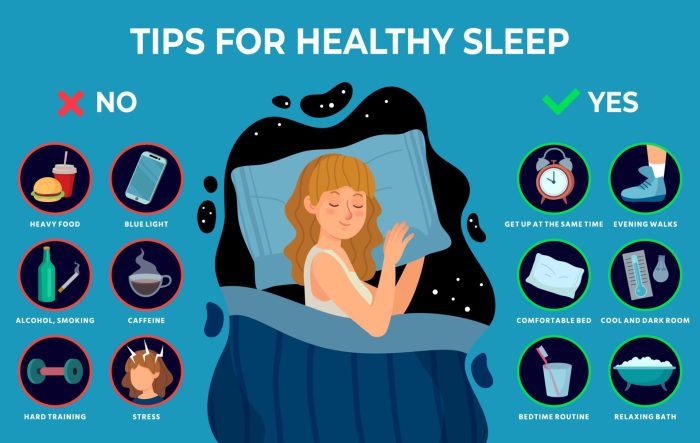
Health coaching plays a crucial role in improving sleep quality by providing individuals with personalized support and guidance to establish healthy sleep habits. Through one-on-one sessions, health coaches help clients identify underlying issues affecting their sleep and develop actionable strategies to promote better rest.
Benefits of Health Coaching for Sleep Quality
- Health coaches can help individuals identify and address lifestyle factors that may be disrupting their sleep, such as poor sleep hygiene, stress, or unhealthy habits.
- By setting realistic goals and creating customized sleep plans, health coaches empower clients to make sustainable changes that lead to improved sleep quality over time.
- Regular check-ins and accountability provided by health coaches can help individuals stay on track and make necessary adjustments to their sleep routines for optimal results.
Success Stories of Improved Sleep with Health Coaching
- John, a client struggling with insomnia, worked with a health coach to establish a bedtime routine and relaxation practices that significantly improved his ability to fall asleep and stay asleep.
- Sarah, a busy professional experiencing sleep disturbances due to work stress, learned stress management techniques and mindfulness exercises through health coaching, resulting in better sleep quality and overall well-being.
- Michael, who had been relying on sleep medications for years, successfully reduced his dependence on medication with the help of a health coach who introduced him to natural sleep remedies and behavioral changes.
Fitness Goals
Setting fitness goals can significantly impact your sleep quality. When you establish specific objectives related to physical activity, you are more likely to stay motivated, consistent, and disciplined in your workout routine. This dedication to exercise can have a positive effect on your sleep patterns and overall well-being.
Relationship between Physical Activity and Sleep Quality
Regular physical activity has been linked to improved sleep quality. Exercise helps regulate your circadian rhythm, the body’s internal clock that controls when you feel sleepy and when you feel awake. By engaging in physical activity, you can reduce stress, anxiety, and symptoms of depression, which are common factors that disrupt sleep.
Additionally, exercise can increase the production of endorphins, the body’s natural painkillers and mood elevators, promoting relaxation and better sleep.
- Exercise increases body temperature, which then drops post-workout, signaling to your body that it’s time to rest.
- Physical activity can help you fall asleep faster and enjoy deeper, more restorative sleep cycles.
- Consistent exercise can reduce the likelihood of sleep disorders such as insomnia or sleep apnea.
Tips for Aligning Fitness Goals with Sleep Improvement Strategies
To optimize the relationship between fitness goals and sleep quality, consider the following tips:
- Set realistic and achievable fitness goals that align with your sleep schedule.
- Avoid vigorous exercise close to bedtime, as it may energize you and interfere with your ability to fall asleep.
- Establish a consistent workout routine to help regulate your body’s internal clock and enhance your sleep patterns.
- Monitor your progress and adjust your fitness goals as needed to ensure they continue to support your sleep improvement strategies.
Diet Planning
In order to enhance sleep quality, diet planning plays a crucial role. The foods we consume can have a direct impact on our ability to fall asleep easily, stay asleep throughout the night, and wake up feeling refreshed and rejuvenated.
Foods that Promote Sleep
- Include tryptophan-rich foods like turkey, nuts, seeds, and dairy products in your dinner to promote the production of serotonin, a hormone that helps regulate sleep.
- Opt for complex carbohydrates such as whole grains, fruits, and vegetables to increase serotonin levels and promote relaxation.
- Enjoy a light snack before bed that combines carbohydrates and protein, like a small bowl of cereal with milk, to stabilize blood sugar levels and prevent disturbances during the night.
Foods to Avoid Before Bed
- Avoid consuming caffeine, alcohol, and spicy or heavy meals close to bedtime, as they can disrupt sleep patterns and lead to restlessness.
- Avoid foods high in sugar and processed ingredients, as they can cause fluctuations in blood sugar levels and interfere with the body’s natural sleep-wake cycle.
- Steer clear of high-fat foods that are difficult to digest, as they can cause discomfort and make it harder to fall asleep and stay asleep.
Health Supplements
Health supplements play a vital role in improving sleep quality by providing essential nutrients that support relaxation, stress reduction, and overall well-being.
Common Supplements for Better Sleep
There are several common supplements known for their beneficial effects on promoting better sleep:
- Melatonin: A hormone that regulates the sleep-wake cycle and can help improve sleep quality.
- Magnesium: Known for its calming effect on the nervous system, promoting relaxation and better sleep.
- L-theanine: An amino acid found in tea leaves that can help reduce anxiety and improve sleep quality.
- Valerian root: An herb that has been used for centuries to promote relaxation and improve sleep.
- Chamomile: A popular herb known for its calming properties, often used to support better sleep.
Incorporating Health Supplements into Your Sleep Routine
When incorporating health supplements into your sleep routine, it is essential to consult with a healthcare provider or a nutritionist to determine the right dosage and combination for your specific needs. It is also important to follow the recommended guidelines for each supplement and avoid exceeding the recommended dosage.
Breathing Techniques
Breathing techniques play a vital role in improving sleep patterns and overall well-being. By incorporating mindful breathing exercises into your bedtime routine, you can promote relaxation and achieve a more restful night’s sleep.
Impact of Breathing Techniques on Sleep Patterns
- Deep breathing exercises help calm the mind and body, reducing stress and anxiety levels that may interfere with sleep.
- Focusing on your breath can distract you from racing thoughts, allowing you to drift off to sleep more easily.
- Regulating your breathing can help slow down your heart rate and activate the body’s relaxation response, preparing you for a peaceful night’s rest.
Mindful Breathing for Better Sleep
- Practice diaphragmatic breathing by inhaling deeply through your nose, letting your abdomen expand, and exhaling slowly through your mouth. Repeat this process several times before bedtime.
- Try progressive muscle relaxation techniques, where you tense and release each muscle group in your body while focusing on your breath. This can help release physical tension and promote relaxation.
- Explore guided meditation or visualization exercises that incorporate breathing techniques to calm the mind and prepare for sleep.
Breathing Exercises to Aid Falling Asleep Faster, Healthy habits for better sleep quality
- 4-7-8 breathing method: Inhale for a count of 4, hold your breath for a count of 7, and exhale for a count of 8. Repeat this cycle several times to induce relaxation and promote sleep.
- Nadi Shodhana (alternate nostril breathing): Sit comfortably, close one nostril with your thumb, inhale through the other nostril, then close that nostril with your ring finger and exhale through the alternate nostril. This practice can balance energy levels and calm the mind for better sleep.
- Box breathing technique: Inhale for 4 counts, hold for 4 counts, exhale for 4 counts, and hold for 4 counts. This method can regulate your breath and promote a sense of calmness conducive to falling asleep.
Disease Prevention
Preventing diseases not only promotes overall health but can also significantly impact the quality of sleep a person gets. By taking proactive measures to maintain good health, individuals can create an environment that is conducive to restful and rejuvenating sleep.
Importance of Disease Prevention for Better Sleep
Implementing disease prevention strategies plays a crucial role in improving sleep quality. When the body is free from illnesses and conditions that can disrupt sleep, individuals are more likely to experience restful and uninterrupted sleep cycles.
- Engaging in regular exercise can help boost the immune system and reduce the risk of developing chronic diseases that can affect sleep patterns.
- Following a balanced diet rich in essential nutrients can support overall health and contribute to better sleep quality.
- Practicing stress-reducing techniques such as mindfulness and meditation can lower the risk of stress-related illnesses that may impact sleep.
Benefits of Disease Prevention on Sleep Hygiene
Preventive measures not only safeguard against diseases but also enhance sleep hygiene, leading to improved sleep quality and overall well-being.
- Establishing a consistent sleep schedule and bedtime routine can help regulate the body’s internal clock and promote better sleep quality.
- Avoiding excessive alcohol consumption and nicotine use can prevent disruptions in sleep patterns and promote restful sleep.
- Regular health screenings and check-ups can detect early signs of potential health issues, allowing for timely intervention to maintain optimal health and sleep quality.
Pain Management
Effective pain management plays a crucial role in enhancing sleep quality. Addressing and managing pain issues can significantly improve overall sleep patterns, leading to better rest and rejuvenation.
Strategies for Pain Management to Improve Sleep Quality
- Regular Exercise: Engaging in physical activity can help reduce chronic pain, improve circulation, and promote better sleep.
- Relaxation Techniques: Practices such as yoga, meditation, and deep breathing can help alleviate stress and tension that contribute to pain, leading to improved sleep quality.
- Healthy Sleep Environment: Creating a comfortable and conducive sleep environment, including a supportive mattress and pillows, can help reduce pain discomfort and enhance sleep quality.
- Proper Pain Medication: Consulting with healthcare professionals to find suitable pain management medications or treatments can alleviate pain symptoms, allowing for better sleep.
- Regular Pain Monitoring: Keeping track of pain levels, triggers, and patterns can help individuals identify factors affecting their sleep quality and make necessary adjustments.
Holistic Treatments
Holistic treatments offer a comprehensive approach to promoting better sleep by addressing the underlying issues that may be disrupting your rest. These natural therapies focus on healing the mind, body, and spirit to achieve overall wellness and improve sleep quality.
Benefits of Holistic Treatments for Sleep
- Reduce stress and anxiety levels through techniques like meditation and yoga.
- Promote relaxation and calmness with aromatherapy and essential oils.
- Improve sleep patterns with acupuncture or acupressure to balance energy flow.
- Enhance sleep quality with herbal remedies such as chamomile tea or valerian root.
Holistic Therapies for Restful Sleep
- Massage therapy to relax muscles and reduce tension before bedtime.
- Sound therapy using soothing sounds or music to create a peaceful sleep environment.
- Reiki or energy healing to balance the body’s energy and promote relaxation.
- Hypnotherapy to address subconscious issues that may be affecting sleep.
Mental Resilience
Maintaining healthy sleep habits is not only about physical aspects but also mental resilience plays a crucial role in ensuring quality rest. Mental resilience refers to the ability to adapt well to stress, adversity, trauma, or even significant sources of stress, such as sleep disturbances.
Role of Mental Resilience in Sleep Quality
Mental resilience can help individuals cope with sleep disturbances by allowing them to manage stress and anxiety effectively, which are common factors that contribute to poor sleep quality. When faced with disruptions in their sleep patterns, individuals with higher mental resilience are better equipped to regulate their emotions, maintain a positive outlook, and find solutions to improve their sleep.
Strategies for Building Mental Resilience:
- Practice Mindfulness: Engaging in mindfulness techniques such as meditation, deep breathing exercises, or yoga can help reduce stress and promote mental clarity, enhancing resilience.
- Develop Positive Coping Mechanisms: Encourage positive coping strategies like journaling, talking to a friend, or engaging in a hobby to manage stress effectively and build resilience.
- Focus on Self-Care: Prioritize self-care activities such as getting regular exercise, eating a balanced diet, getting enough rest, and setting boundaries to support mental well-being.
- Seek Professional Help: If facing persistent sleep disturbances or high levels of stress, consider seeking support from a mental health professional or counselor to develop coping skills and enhance resilience.
Conclusive Thoughts
Embark on a journey to better sleep by implementing these healthy habits into your daily routine. From skincare to muscle mass, each aspect plays a crucial role in ensuring you get the rest you deserve. Say goodbye to restless nights and embrace a new era of quality sleep with these simple yet effective strategies.
FAQ Resource
How can wellness programs improve sleep quality?
Wellness programs focus on promoting overall health, including sleep quality, through activities, education, and support that enhance physical and mental well-being.
What are some common herbal remedies for better sleep?
Common herbal remedies such as valerian root, chamomile, and lavender are known for their calming effects that can improve sleep quality.
How does skin health affect sleep?
Healthy skin contributes to better sleep by promoting relaxation and comfort, making it easier to fall asleep and stay asleep throughout the night.
Why is joint flexibility important for quality sleep?
Improving joint flexibility through stretching exercises can reduce discomfort and pain, leading to a more comfortable and restful sleep experience.
Can breathing techniques help with falling asleep faster?
Practicing mindful breathing exercises can promote relaxation and calm the mind, making it easier to fall asleep faster and improve overall sleep quality.


