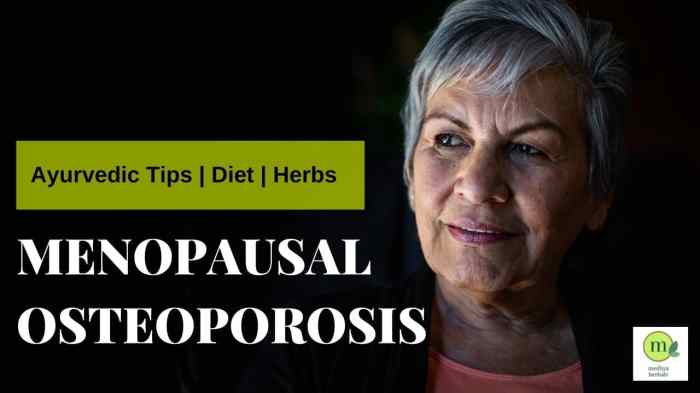
How to support bone density during menopause is a crucial aspect of women’s health that often gets overlooked. As women age and go through menopause, their bone density naturally decreases, leading to an increased risk of fractures and osteoporosis. In this comprehensive guide, we will explore various ways to maintain and improve bone density during this stage of life.
From wellness programs to herbal remedies, skincare tips to muscle mass preservation, we will cover everything you need to know to keep your bones strong and healthy.
Wellness Programs
Wellness programs play a crucial role in supporting bone density during menopause by promoting overall health and incorporating specific activities targeting bone health.
Importance of Wellness Programs in Supporting Bone Density
- Regular physical activity: Wellness programs that include weight-bearing exercises like walking, dancing, and strength training can help maintain bone density.
- Healthy nutrition: Programs focusing on a balanced diet rich in calcium, vitamin D, and other nutrients essential for bone health can support bone density.
- Stress management: Stress can negatively impact bone health, so programs that incorporate stress-reducing techniques like yoga and meditation can be beneficial.
Components of Effective Wellness Programs for Bone Health
- Education: Providing information on the importance of bone health and how lifestyle choices can impact bone density.
- Individualized plans: Tailoring programs to meet the specific needs and preferences of participants for better adherence and outcomes.
- Regular monitoring: Tracking progress and adjusting programs as needed to ensure effectiveness in supporting bone density.
Examples of Wellness Programs Enhancing Bone Density
- Fit & Strong Program:A evidence-based program that combines strength training, flexibility exercises, and health education to improve bone health.
- Bone Builders Program:Focuses on weight-bearing exercises and nutrition education to promote bone density and overall wellness.
- Pilates for Bone Health:A program that incorporates Pilates exercises specifically designed to strengthen bones and improve balance.
Herbal Remedies
Herbal remedies have been used for centuries to support overall health, including bone density, during menopause. These natural alternatives can provide essential nutrients and compounds that help strengthen bones and prevent osteoporosis.
Specific Herbs for Bone Health
- Nettle: Nettle is rich in calcium, magnesium, and silica, which are essential minerals for bone strength. It also helps reduce inflammation in the body, promoting better bone health.
- Horsetail: Horsetail is a herb high in silica, which is crucial for collagen production and bone mineralization. It can support bone density and prevent fractures.
- Red Clover: Red clover contains isoflavones that mimic estrogen in the body, helping to maintain bone density during menopause when estrogen levels drop.
Safety and Efficacy of Herbal Remedies
When used appropriately and under the guidance of a healthcare provider, herbal remedies can be safe and effective for improving bone density during menopause. It is essential to consult with a professional to ensure the right dosage and combination of herbs for your specific needs.
While herbal remedies can offer natural support for bone health, they should not replace prescribed medications or treatments without medical supervision.
Skin Health: How To Support Bone Density During Menopause
Skin health plays a crucial role in supporting bone density during menopause. The skin is the body’s largest organ and is closely connected to the health of our bones. As women age and go through menopause, changes in skin health can impact bone density and overall well-being.
Skincare Tips for Supporting Bone Health
- Adequate Sun Protection: Protecting your skin from harmful UV rays can help prevent premature aging and maintain collagen production, which is essential for bone strength.
- Healthy Diet: Consuming foods rich in antioxidants, vitamins, and minerals can promote skin health and indirectly support bone density.
- Hydration: Keeping your skin hydrated can improve elasticity and prevent dryness, contributing to overall skin health and indirectly benefiting bone health.
- Regular Exercise: Engaging in physical activities can improve blood circulation, which is essential for delivering nutrients to the skin and bones.
Benefits of Maintaining Healthy Skin during Menopause
Maintaining healthy skin during menopause not only enhances appearance but also contributes to overall well-being. Healthy skin can boost self-confidence, reduce stress levels, and promote a positive outlook on aging. By taking care of your skin, you are also supporting your bone health and overall quality of life during this transitional phase.
Bone Density
Bone density refers to the amount of mineral content in bones, indicating their strength and density. Maintaining optimal bone density is crucial for menopausal women as they are at a higher risk of osteoporosis and fractures due to hormonal changes.Factors that can affect bone density during menopause include:
Decreased estrogen levels
Estrogen plays a significant role in maintaining bone density. The decline in estrogen production during menopause can lead to accelerated bone loss.
Age
As women age, bone density naturally decreases, making them more susceptible to osteoporosis.
Lack of physical activity
Sedentary lifestyle can contribute to bone loss and decreased bone density.
Poor nutrition
Inadequate intake of calcium, vitamin D, and other essential nutrients can weaken bones and reduce bone density.Strategies to improve and maintain optimal bone density levels include:
Regular weight-bearing exercises
Engaging in activities like walking, jogging, or weight training can help strengthen bones and improve bone density.
Balanced diet
Consuming calcium-rich foods like dairy products, leafy greens, and fortified foods, along with vitamin D supplements, can support bone health.
Avoiding smoking and excessive alcohol consumption
These habits can negatively impact bone density and increase the risk of fractures.
Bone density screenings
Regular screenings can help monitor bone health and detect any early signs of bone loss, allowing for timely intervention and management.It is essential for menopausal women to prioritize bone health through lifestyle modifications and proper medical guidance to reduce the risk of osteoporosis and maintain strong and healthy bones.
Muscle Mass
Maintaining muscle mass is crucial during menopause as it plays a significant role in supporting bone density. Muscle mass helps to provide structural support to the bones and reduces the risk of fractures and osteoporosis.
Exercises and Lifestyle Habits
- Resistance training: Engaging in regular strength training exercises can help preserve muscle mass and improve bone density. Focus on exercises that target major muscle groups such as squats, lunges, and deadlifts.
- Weight-bearing exercises: Activities like walking, jogging, dancing, or hiking can also help maintain muscle mass and support bone health. These exercises help to stimulate bone growth and strength.
- Adequate protein intake: Consuming enough protein in your diet is essential for muscle repair and growth. Include lean sources of protein such as poultry, fish, tofu, and legumes in your meals.
- Calcium and Vitamin D: Ensure you are getting enough calcium and vitamin D in your diet to support bone health. These nutrients are essential for maintaining strong bones and muscles.
- Stay hydrated: Drinking an adequate amount of water is important for muscle function and overall health. Dehydration can lead to muscle fatigue and weakness.
Remember to consult with a healthcare provider before starting any new exercise routine, especially if you have underlying health conditions.
Importance of Muscle Strength
- Muscle strength is crucial for overall bone health as it helps to support and protect the bones from injury.
- Strong muscles also improve balance and coordination, reducing the risk of falls and fractures, especially as we age.
- Increasing muscle mass through exercise can help maintain metabolic function and prevent age-related muscle loss.
- Regular physical activity not only benefits muscle and bone health but also improves overall quality of life and longevity.
Dental Care
Good dental care is crucial for maintaining bone density in menopausal women. Proper oral health not only supports strong teeth and gums but also plays a significant role in overall bone health.
Importance of Oral Health for Bone Density
Healthy teeth and gums are essential for adequate nutrition intake, as chewing food properly ensures the body receives essential nutrients for bone health. Additionally, gum disease and oral infections can lead to inflammation, which negatively impacts bone density.
- Regular dental check-ups: Visiting the dentist for routine check-ups and cleanings can help prevent dental issues that may affect bone health.
- Brushing and flossing: Maintaining good oral hygiene by brushing teeth twice a day and flossing daily can prevent gum disease and tooth decay.
- Calcium-rich diet: Consuming foods high in calcium, such as dairy products, leafy greens, and almonds, can support both dental and bone health.
- Avoiding smoking and excessive alcohol consumption: These habits can contribute to poor oral health and negatively impact bone density.
Eye Health
Eye health is an important aspect of overall well-being, and it is connected to bone density, especially during menopause. Research has shown that certain eye conditions may be linked to bone health issues, highlighting the importance of taking care of both aspects for overall health.
Eye Care Practices for Bone Health
- Adequate intake of essential nutrients like vitamin A, C, and E can benefit both eye health and bone density.
- Regular eye check-ups can help detect any early signs of eye conditions that may be linked to bone health problems.
- Protecting your eyes from harmful UV rays by wearing sunglasses can also indirectly benefit bone health.
Link Between Eye Conditions and Bone Health
- Conditions like age-related macular degeneration (AMD) have been associated with lower bone mineral density in postmenopausal women.
- Studies suggest that inflammation in the body, which can affect both the eyes and bones, may play a role in the development of certain eye conditions and bone health issues.
- Ensuring a healthy lifestyle with a balanced diet, regular exercise, and adequate sleep can help support both eye health and bone density during menopause.
Mental Clarity
Maintaining mental clarity is crucial in supporting bone density during menopause. Cognitive functions play a significant role in overall well-being, including bone health. Let’s explore how mental sharpness can impact bone density and what practices can help in this regard.
Cognitive Exercises for Mental Sharpness and Bone Health
- Engage in activities that challenge your brain, such as puzzles, crosswords, or learning a new skill. These exercises can help improve cognitive function and potentially support bone health.
- Practice mindfulness and meditation to reduce stress levels, which can have a positive impact on mental clarity and overall well-being. Lower stress levels may contribute to better bone density.
- Stay physically active through activities like yoga or tai chi, which not only benefit physical health but also stimulate the mind and improve cognitive function.
Impact of Stress on Mental Well-being and Bone Density
- Chronic stress can negatively affect cognitive function, leading to issues with mental clarity and potentially impacting bone health.
- High-stress levels can contribute to the release of cortisol, a hormone that, in excess, can interfere with bone formation and density.
- Practicing stress-reducing techniques like deep breathing, exercise, or spending time in nature can help maintain mental well-being and support bone density during menopause.
Joint Flexibility
Maintaining joint flexibility is crucial for supporting bone health during menopause. As estrogen levels decline, women are at a higher risk of developing osteoporosis, making it essential to focus on exercises and stretches that can improve joint flexibility and ultimately support bone density.
Exercises and Stretches for Joint Flexibility
- Yoga: Practicing yoga poses such as downward dog, warrior poses, and cat-cow stretches can help improve joint flexibility and strengthen surrounding muscles.
- Pilates: Pilates focuses on core strength and flexibility, which can benefit joint health and overall bone density.
- Stretching: Incorporating regular stretching routines for major muscle groups can improve joint mobility and reduce the risk of injury.
Interconnection of Joint Health and Bone Health
Healthy joints play a vital role in maintaining overall bone health. When joints are flexible and mobile, they help distribute impact and weight-bearing forces evenly, reducing strain on bones and supporting their density. By focusing on exercises and stretches that promote joint flexibility, women can enhance their bone health and reduce the risk of fractures and osteoporosis.
Digestive Health
Maintaining good digestive health is crucial for supporting bone density in menopausal women. The gut plays a significant role in the absorption of essential nutrients that contribute to bone health. Poor digestive health can lead to nutrient deficiencies, which may negatively impact bone density.
Dietary Habits for Good Digestion and Bone Health
- Aim to consume a diet rich in fiber from fruits, vegetables, and whole grains to promote healthy digestion.
- Stay hydrated by drinking an adequate amount of water throughout the day to support digestion and nutrient absorption.
- Incorporate probiotic-rich foods like yogurt, kefir, and sauerkraut to maintain a healthy balance of gut bacteria.
- Avoid excessive intake of processed foods, refined sugars, and unhealthy fats, as they can negatively impact digestion and overall health.
Connection Between Gut Health and Nutrient Absorption for Bone Density
Optimal gut health is essential for the absorption of key nutrients that support bone density, such as calcium, vitamin D, magnesium, and vitamin K. A healthy gut lining allows for proper absorption of these nutrients, which are vital for maintaining strong and healthy bones during menopause.
Detox Process
Detoxification plays a crucial role in supporting bone density during menopause. By eliminating toxins from the body, we can create a healthier internal environment that is conducive to stronger bones.
Natural Ways to Support Detox Process for Better Bone Health
- Stay hydrated by drinking plenty of water throughout the day to flush out toxins.
- Incorporate antioxidant-rich foods like berries, leafy greens, and nuts into your diet to support liver function.
- Engage in regular exercise to stimulate lymphatic flow and promote detoxification through sweat.
- Reduce exposure to environmental toxins by choosing organic produce and natural cleaning products.
- Practice stress-reducing activities like yoga and meditation to support the body’s natural detox processes.
Reducing Toxins for Improved Bone Density
Reducing toxins in the body can have a positive impact on bone density by preventing inflammation and oxidative stress, which can weaken bones over time. By supporting the body’s detox processes, we can help maintain strong and healthy bones during menopause.
Blood Pressure
Maintaining healthy blood pressure levels is crucial for overall health, especially for menopausal women. Let’s explore the relationship between blood pressure and bone density in this phase of life.
Impact on Bone Health
High blood pressure can have a negative impact on bone health in menopausal women. Research suggests that hypertension can lead to accelerated bone loss, increasing the risk of osteoporosis and fractures. On the other hand, low blood pressure can also be detrimental as it may reduce the blood supply to bones, affecting their strength and density.
- High blood pressure can increase the excretion of calcium in urine, leading to weakened bones.
- Low blood pressure may result in decreased blood flow to bones, impacting their ability to repair and regenerate.
It’s essential to maintain optimal blood pressure levels to support bone health during menopause.
Maintaining Healthy Blood Pressure Levels
Making lifestyle changes can play a significant role in managing blood pressure levels and promoting optimal bone density in menopausal women.
- Regular physical activity, such as weight-bearing exercises, can help strengthen bones and regulate blood pressure.
- A balanced diet rich in calcium, magnesium, and potassium is essential for bone health and blood pressure regulation.
- Managing stress through relaxation techniques like meditation or yoga can help lower blood pressure and support bone density.
- Avoiding excessive salt and alcohol consumption can also contribute to maintaining healthy blood pressure levels.
Heart Rate
Maintaining a healthy heart rate is crucial for overall well-being, especially during menopause when bone density may be at risk. The impact of heart rate on bone density cannot be overlooked, as cardiovascular health is closely linked to bone health.
Let’s explore how regulating heart rate through exercises and lifestyle habits can support bone density during this stage.
Exercises and Lifestyle Habits to Support Heart Rate and Bone Density
- Engage in regular aerobic exercises such as walking, jogging, or cycling to help improve cardiovascular health and regulate heart rate.
- Strength training exercises like weightlifting or resistance training can also benefit heart health and promote bone density.
- Practice relaxation techniques like yoga or meditation to reduce stress levels, which can impact heart rate and overall bone health.
- Ensure a balanced diet rich in calcium, vitamin D, and other essential nutrients to support bone strength and cardiovascular function.
- Avoid smoking and limit alcohol intake, as these habits can negatively affect heart rate and bone density.
Health Screenings
Regular health screenings are crucial for monitoring bone density in menopausal women. These screenings help detect any changes in bone health early on, allowing for timely intervention to prevent osteoporosis and fractures. It is recommended that menopausal women undergo bone density screenings regularly to assess their bone health status.
Different Screening Tests
- Dual-energy X-ray absorptiometry (DXA): This test is the gold standard for measuring bone mineral density and diagnosing osteoporosis.
- Quantitative ultrasound: This non-invasive test measures bone density in the heel, shin, or finger to assess fracture risk.
- Blood tests: These tests measure levels of calcium, vitamin D, and other markers related to bone health.
Scheduling Recommendations
- Menopausal women should discuss with their healthcare provider to determine how often they should undergo bone density screenings based on their risk factors.
- Generally, it is recommended to have a baseline DXA scan at menopause and then repeat every 1-2 years, depending on the initial results and individual risk factors.
- For women at high risk of osteoporosis, more frequent screenings may be necessary to closely monitor bone health.
Vaccination Programs
Vaccination programs play a crucial role in supporting overall health during menopause. By getting vaccinated, menopausal women can protect themselves against various diseases and maintain their well-being. It is essential to stay up-to-date with vaccination programs to ensure optimal health and prevent potential complications.
Vaccines for Bone Health
- One specific vaccine that can contribute to bone health in menopausal women is the shingles vaccine. Shingles, also known as herpes zoster, can cause complications such as nerve pain, which may impact bone health and overall quality of life.
By getting vaccinated against shingles, women can reduce their risk of developing this condition and its potential effects on bone density.
- Another important vaccine for bone health is the influenza vaccine. Influenza, commonly known as the flu, can lead to complications such as pneumonia, which can affect respiratory function and overall health. By getting vaccinated against the flu, menopausal women can lower their risk of developing complications that may impact bone density and overall well-being.
Importance of Staying Up-to-Date
Staying up-to-date with vaccination programs is crucial for maintaining bone density during menopause. Vaccines not only protect against specific diseases but also help support overall health and well-being. By ensuring that they receive recommended vaccines, menopausal women can reduce their risk of developing conditions that may impact bone health and maintain a higher quality of life.
Healthy Habits
Cultivating healthy habits is crucial for supporting bone density during menopause. These habits can help in maintaining strong bones and reducing the risk of osteoporosis.
Examples of Daily Habits for Better Bone Health:
- Adequate Calcium Intake: Ensure you consume foods rich in calcium such as dairy products, leafy greens, and fortified foods. Consider supplements if needed.
- Vitamin D Exposure: Spend time outdoors to get enough sunlight for natural Vitamin D synthesis, essential for calcium absorption.
- Regular Exercise: Engage in weight-bearing exercises like walking, dancing, or strength training to strengthen bones and improve bone density.
- Healthy Diet: Include a variety of nutrient-rich foods in your meals to provide essential vitamins and minerals for bone health.
Tips for Incorporating Healthy Habits into Menopausal Lifestyle:
- Establish a Routine: Set specific times for meals, exercise, and relaxation to ensure consistency in healthy habits.
- Stay Hydrated: Drink plenty of water throughout the day to support overall health and bone function.
- Avoid Smoking and Excessive Alcohol: These habits can negatively impact bone health, so try to limit or avoid them completely.
- Get Adequate Sleep: Quality sleep is essential for bone regeneration and overall well-being, so prioritize restful nights.
Balanced Hormones
Maintaining balanced hormones is crucial for supporting bone density during menopause. Hormones play a key role in regulating bone metabolism and ensuring optimal bone health. When hormonal levels fluctuate during menopause, it can lead to a decrease in bone density and an increased risk of osteoporosis.
Role of Balanced Hormones in Bone Density
During menopause, estrogen levels decline, impacting the balance of hormones in the body. Estrogen is essential for maintaining bone density as it helps to regulate the activity of osteoblasts and osteoclasts, which are responsible for building and breaking down bone tissue.
When estrogen levels drop, bone loss can accelerate, leading to decreased bone density and an increased risk of fractures.
Hormone Replacement Therapy (HRT)
Hormone replacement therapy (HRT) is a treatment option that involves supplementing the body with hormones, such as estrogen and sometimes progesterone, to help alleviate menopausal symptoms and support hormonal balance. HRT can help improve bone density by replacing the hormones that are no longer produced in adequate amounts during menopause.
However, it is essential to discuss the risks and benefits of HRT with a healthcare provider, as it may not be suitable for everyone and can have potential side effects.
Natural Ways to Support Hormonal Balance for Bone Density
There are natural ways to support hormonal balance during menopause and promote optimal bone density without relying on hormone replacement therapy. These include:
- Consuming a balanced diet rich in calcium, vitamin D, and other nutrients essential for bone health.
- Engaging in weight-bearing exercises and strength training to help maintain bone density.
- Managing stress levels through techniques like yoga, meditation, or deep breathing exercises.
- Getting an adequate amount of sleep to support hormone regulation and overall health.
- Considering natural supplements like black cohosh or red clover, which are believed to help support hormonal balance and alleviate menopausal symptoms.
Health Coaching
Health coaching plays a crucial role in improving bone density during menopause by providing personalized guidance and support to individuals aiming to enhance their bone health. With the assistance of a health coach, setting and achieving bone health goals becomes more manageable and effective.
Benefits of Health Coaching in Improving Bone Density
- Health coaches can create personalized nutrition and exercise plans tailored to improve bone density.
- They offer motivation and accountability to help individuals stay consistent with their bone health routines.
- Health coaches provide education on lifestyle factors that impact bone health, such as stress management and sleep quality.
Health Coaching Strategies for Enhancing Bone Density
- Implementing weight-bearing exercises, such as walking, dancing, or strength training, to promote bone strength.
- Encouraging the consumption of calcium-rich foods and vitamin D supplements to support bone health.
- Developing strategies to reduce inflammation in the body, which can negatively affect bone density.
Fitness Goals
Setting fitness goals is crucial for supporting bone density during menopause. By engaging in regular physical activity and exercise, you can strengthen your bones, improve muscle mass, and enhance overall health and well-being.
Types of Exercises for Bone Health
- Weight-bearing exercises such as walking, jogging, dancing, and hiking help to stimulate bone growth and increase bone density.
- Strength training exercises using weights or resistance bands can improve muscle strength, which in turn supports bone health.
- Balance and flexibility exercises like yoga and tai chi can help prevent falls and fractures, reducing the risk of bone injuries.
Tips for Creating and Maintaining Fitness Goals
- Set specific and achievable fitness goals that are tailored to your individual needs and abilities.
- Track your progress regularly to stay motivated and make adjustments as needed to reach your goals.
- Stay consistent with your exercise routine and incorporate a variety of activities to keep it interesting and challenging.
- Listen to your body and make modifications to your workouts to prevent injuries and ensure long-term success.
- Seek guidance from a fitness professional or healthcare provider to design a safe and effective exercise plan that supports your bone density goals.
Diet Planning
Proper diet planning plays a crucial role in promoting optimal bone density during menopause. By focusing on nutrient-rich foods and incorporating key vitamins and minerals, women can support their bone health and reduce the risk of osteoporosis.
Key Nutrients for Bone Health
- Calcium: Essential for building and maintaining strong bones. Sources include dairy products, leafy greens, and fortified foods.
- Vitamin D: Aids in calcium absorption and helps regulate bone density. Sunlight, fatty fish, and fortified foods are good sources.
- Magnesium: Supports bone structure and strength. Nuts, seeds, whole grains, and leafy greens are magnesium-rich foods.
- Vitamin K: Helps in bone mineralization and reduces bone loss. Find vitamin K in leafy greens, broccoli, and Brussels sprouts.
Meal Planning Tips for Bone Density
- Include a variety of calcium-rich foods in your meals, such as yogurt, cheese, almonds, and tofu.
- Opt for vitamin D-fortified foods like milk, orange juice, and cereals to ensure sufficient intake.
- Add magnesium sources like pumpkin seeds, spinach, and whole grain bread to your diet for bone health.
- Incorporate vitamin K by enjoying salads with kale, collard greens, or a side of Brussels sprouts.
- Balance your meals with lean proteins, fruits, vegetables, and whole grains to support overall health and bone density.
Health Supplements
Health supplements play a crucial role in supporting bone density during menopause. They can provide essential nutrients that may be lacking in one’s diet and help maintain overall bone health.
Key Supplements for Bone Health
- Calcium: Essential for bone strength and density. It is recommended to take calcium citrate or calcium carbonate supplements for better absorption.
- Vitamin D: Helps the body absorb calcium and plays a vital role in bone health. Consider taking vitamin D3 supplements.
- Magnesium: Works alongside calcium to support bone density. Look for magnesium citrate or magnesium glycinate supplements.
- Vitamin K2: Supports bone mineralization and helps prevent calcium from accumulating in the arteries. Opt for MK-7 form of vitamin K2.
Considerations for Choosing and Incorporating Supplements
- Consult with a healthcare provider to determine the right dosage and combination of supplements based on individual needs and existing health conditions.
- Choose high-quality supplements from reputable brands to ensure purity and potency.
- Consider the form of supplements for better absorption, such as capsules, tablets, or liquid forms.
- Take supplements as directed and monitor any changes or side effects experienced.
Breathing Techniques
Breathing techniques play a crucial role in supporting bone density during menopause by improving oxygen flow and reducing stress levels, which can directly impact bone health.
Specific Breathing Exercises
- Diaphragmatic Breathing: Inhale deeply through your nose, allowing your diaphragm to expand. Exhale slowly through your mouth, feeling your diaphragm contract. Repeat for several breaths to increase oxygen delivery to your bones.
- Pursed Lip Breathing: Inhale through your nose for a count of two, then purse your lips as if you are going to whistle and exhale slowly for a count of four. This technique helps improve oxygen exchange and can reduce stress.
- Alternate Nostril Breathing: Close one nostril with your thumb and inhale through the other nostril. Close the other nostril with your ring finger, release the thumb, and exhale through the first nostril. This exercise can help balance energy levels and promote relaxation.
Connection Between Deep Breathing and Stress Reduction
Deep breathing techniques, such as those mentioned above, help activate the parasympathetic nervous system, also known as the “rest and digest” system. By reducing stress and promoting relaxation, deep breathing can positively impact bone density during menopause.
Disease Prevention
Maintaining bone density during menopause is crucial for overall health and well-being. Disease prevention plays a significant role in ensuring optimal bone health during this stage of life. By taking proactive measures to prevent common diseases that can impact bone density, individuals can reduce the risk of bone-related issues and maintain strong and healthy bones as they age.
Common Diseases Affecting Bone Health and Preventive Measures
- Osteoporosis: Osteoporosis is a common disease that weakens bones and increases the risk of fractures. To prevent osteoporosis, individuals can engage in weight-bearing exercises, consume an adequate amount of calcium and vitamin D, avoid smoking and excessive alcohol consumption, and undergo regular bone density screenings.
- Rheumatoid Arthritis: Rheumatoid arthritis is an autoimmune disease that causes inflammation in the joints and can lead to bone loss. To reduce the risk of bone damage from rheumatoid arthritis, individuals should follow their treatment plan prescribed by a healthcare provider, maintain a healthy diet, and engage in low-impact exercises to strengthen muscles and protect the joints.
- Cancer: Certain types of cancer, such as breast and prostate cancer, can metastasize to the bones and weaken bone structure. Preventive measures include cancer screenings, maintaining a healthy lifestyle, and following recommended cancer treatment protocols to reduce the risk of bone metastasis.
Strategies for Reducing the Risk of Diseases Affecting Bone Density
- Healthy Diet: Consuming a balanced diet rich in calcium, vitamin D, and other essential nutrients can support bone health and reduce the risk of bone-related diseases.
- Regular Exercise: Engaging in weight-bearing exercises, strength training, and flexibility exercises can help maintain bone density and strength, reducing the risk of fractures and bone loss.
- Medical Check-ups: Regular health screenings and check-ups can help detect early signs of diseases that may affect bone health, allowing for timely intervention and treatment.
- Medication Adherence: Following prescribed medications and treatment plans for underlying health conditions can help prevent complications that may impact bone density.
Pain Management
Managing pain effectively is crucial for supporting bone density during menopause. Bone-related pain can significantly impact a woman’s quality of life and hinder her ability to stay active, which is essential for maintaining bone health.
Techniques for Managing Bone-Related Pain, How to support bone density during menopause
- Regular exercise: Engaging in weight-bearing exercises like walking, dancing, or strength training can help strengthen bones and reduce pain.
- Heat and cold therapy: Applying heat or cold packs to the affected area can help relieve pain and inflammation.
- Proper nutrition: Consuming a diet rich in calcium, vitamin D, and other essential nutrients can support bone health and reduce pain.
- Stress management: Practicing relaxation techniques such as deep breathing, meditation, or yoga can help alleviate pain and improve overall well-being.
- Physical therapy: Working with a physical therapist to develop a tailored exercise program can help improve mobility and reduce pain.
Tips for Addressing and Alleviating Pain
- Stay hydrated: Drinking an adequate amount of water can help keep joints lubricated and reduce discomfort.
- Maintain good posture: Proper posture can alleviate pressure on the spine and joints, reducing pain.
- Use ergonomic tools: Using tools and equipment designed to support proper body mechanics can help prevent pain and injuries.
- Get enough rest: Adequate rest and sleep are essential for allowing the body to heal and recover from pain.
- Consider alternative therapies: Techniques such as acupuncture, massage therapy, or chiropractic care can provide pain relief for some individuals.
Holistic Treatments
Holistic treatments offer a comprehensive approach to improving bone density during menopause by focusing on the interconnectedness of the body, mind, and spirit. These treatments emphasize the importance of overall well-being and aim to address underlying imbalances that may impact bone health.Experiencing menopause can lead to hormonal changes that affect bone density, making women more susceptible to conditions like osteoporosis.
Holistic treatments can help support bone health by incorporating lifestyle modifications, alternative therapies, and practices that complement traditional methods.
Benefits of Holistic Treatments for Bone Density
- Encourages overall well-being: Holistic treatments consider the whole person, not just the symptoms, promoting balance and harmony in the body.
- Addresses root causes: By identifying and addressing underlying imbalances, holistic treatments can help prevent bone density loss and promote bone strength.
- Reduces stress: Stress can negatively impact bone health, and holistic treatments often include stress-reducing techniques like meditation, yoga, or acupuncture.
- Promotes natural healing: Holistic treatments focus on natural and non-invasive methods to support the body’s ability to heal and regenerate bone tissue.
Examples of Holistic Treatments for Bone Density
- Acupuncture: This ancient Chinese practice involves inserting thin needles into specific points on the body to promote energy flow and stimulate healing.
- Herbal supplements: Certain herbs like nettle, red clover, and horsetail are believed to support bone health and may be used as supplements to traditional treatments.
- Yoga and Tai Chi: These gentle exercises can improve balance, flexibility, and strength, which are essential for maintaining bone density and reducing the risk of fractures.
- Mind-body techniques: Practices like mindfulness meditation, deep breathing, and visualization can help reduce stress and promote relaxation, benefiting overall bone health.
Mental Resilience
Maintaining mental resilience is crucial during menopause as it can impact overall health outcomes, including bone density. Resilience helps individuals cope with stress, adapt to changes, and maintain emotional well-being, all of which are essential for supporting bone health.
Practices for Building Mental Strength
- Practice mindfulness and meditation to reduce stress and promote emotional balance.
- Engage in regular physical activity to boost mood and enhance mental clarity.
- Cultivate a strong support system of friends and family to provide emotional support during challenging times.
- Seek professional help if needed through therapy or counseling to address underlying emotional issues.
Impact of Resilience on Bone Health
Resilience positively influences bone density by reducing the negative effects of stress hormones on bone mass. Chronic stress can lead to increased cortisol levels, which can weaken bones over time. By enhancing mental resilience, individuals can mitigate the impact of stress on bone health and improve overall well-being.
Final Wrap-Up
In conclusion, prioritizing bone health during menopause is essential for overall well-being and quality of life. By incorporating the strategies and tips discussed in this guide, you can proactively support your bone density and reduce the risk of bone-related issues as you age.
Remember, taking care of your bones is a long-term investment in your health that will pay off in the years to come.
FAQ Summary
How often should I get a bone density scan during menopause?
It is recommended to have a bone density scan every one to two years during menopause to monitor changes and assess your risk of osteoporosis.
Are there any specific foods that can help improve bone density during menopause?
Foods rich in calcium, vitamin D, and other nutrients like leafy greens, dairy products, and fortified foods can support bone health during menopause.
Is hormone replacement therapy (HRT) a safe option for improving bone density?
HRT can help maintain bone density in menopausal women, but it comes with certain risks and side effects. It is essential to discuss the pros and cons with your healthcare provider.


