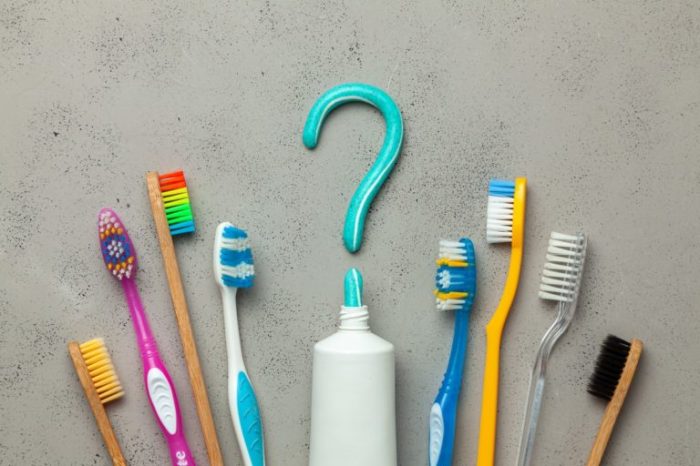
How to choose the right toothbrush for dental care is crucial for maintaining oral hygiene and overall health. From bristle types to brush size, every aspect plays a vital role in ensuring effective dental care. Let’s dive into the key factors to consider when selecting the perfect toothbrush.
Factors to Consider When Choosing the Right Toothbrush
Choosing the right toothbrush is crucial for maintaining good oral hygiene and preventing dental issues. Various factors can influence the effectiveness of your toothbrush in cleaning your teeth properly.
Types of Toothbrush Bristles
When selecting a toothbrush, consider the type of bristles it has. Soft bristles are gentle on the gums and enamel, making them suitable for most people. Medium bristles can be effective for those who prefer a slightly firmer brush, while hard bristles may be too abrasive and can cause damage to the teeth and gums.
Impact of Toothbrush Size and Shape
The size and shape of the toothbrush head can also affect its cleaning efficiency. A smaller head allows for better access to hard-to-reach areas in the mouth, such as the back molars. Additionally, a toothbrush with a comfortable handle size and grip can make brushing easier and more effective.
Choosing Between Manual and Electric Toothbrushes
Manual toothbrushes are a common choice and can be effective if used correctly with proper brushing technique. Electric toothbrushes, on the other hand, can provide additional benefits such as built-in timers and pressure sensors to ensure optimal brushing. They may be particularly helpful for individuals with dexterity issues or those who struggle with manual brushing techniques.
Tips for Selecting the Best Toothbrush for Dental Health: How To Choose The Right Toothbrush For Dental Care
Choosing the right toothbrush is crucial for maintaining good oral hygiene. Here are some tips to help you select the best toothbrush for your dental health:
Selecting Based on Bristle Strength
When choosing a toothbrush, consider the bristle strength. Soft bristles are gentle on the gums and enamel, making them ideal for most people. Medium bristles can be suitable for those who prefer a slightly firmer brush, while hard bristles should be avoided as they can cause damage to the gums and enamel.
Role of ADA Approval
Look for toothbrushes with ADA (American Dental Association) approval. This ensures that the toothbrush has met certain standards for safety and effectiveness. ADA-approved toothbrushes are recommended by dental professionals and are a reliable choice for maintaining good oral health.
Determining the Right Toothbrush Size
Make sure to choose a toothbrush size that fits comfortably in your mouth and allows you to reach all areas of your teeth. A toothbrush with a small head is often recommended for those with a smaller mouth or who have trouble reaching certain areas.
On the other hand, a toothbrush with a larger head may be more suitable for those with a larger mouth or who have a lot of surface area to cover.
Choosing a Toothbrush for Gum Health
To promote gum health, consider selecting a toothbrush with gentle bristles that can effectively clean along the gumline without causing irritation. A toothbrush with angled bristles or rubber bristles can also help massage the gums and improve circulation, contributing to overall gum health.
Maintenance and Replacement of Toothbrushes
Regularly replacing your toothbrush is essential for maintaining good oral hygiene. Over time, the bristles of a toothbrush can wear out, making it less effective at removing plaque and bacteria from your teeth and gums.
Importance of Regularly Replacing Toothbrushes
- Old toothbrushes may harbor bacteria, which can lead to infections or other oral health issues.
- Worn-out bristles are less effective at cleaning teeth, which can impact your overall dental health.
- Replacing your toothbrush regularly ensures that you are using a tool that effectively cleans your teeth and gums.
Timeline for Replacing a Toothbrush
It is recommended to replace your toothbrush every 3 to 4 months, or sooner if you notice the bristles are frayed or damaged. This timeline ensures that you are using a toothbrush that is in optimal condition for cleaning your teeth effectively.
Proper Cleaning and Storage Techniques
- Rinse your toothbrush thoroughly after each use to remove any remaining toothpaste and debris.
- Store your toothbrush in an upright position to allow it to air dry completely between uses.
- Avoid covering your toothbrush or storing it in a closed container, as this can promote bacterial growth.
Tips for Sanitizing a Toothbrush, How to choose the right toothbrush for dental care
- Soak your toothbrush in antibacterial mouthwash for a few minutes to kill bacteria.
- You can also boil your toothbrush in water for a few minutes to sanitize it effectively.
- Consider using a UV toothbrush sanitizer to eliminate bacteria and germs from your toothbrush.
Impact of Toothbrush Selection on Overall Health
Choosing the right toothbrush can have a significant impact on your overall health and well-being. Let’s explore how this decision can contribute to your wellness programs and improve various aspects of your health.
Connection between Dental Care and Heart Rate
Proper dental care, including using the right toothbrush, can have a positive effect on your heart rate. Research has shown that maintaining good oral hygiene can reduce inflammation in the body, including the gums, which in turn may lower the risk of heart disease and contribute to a healthier heart rate.
Relationship between Toothbrush Selection and Blood Pressure
The type of toothbrush you choose can also impact your blood pressure. By using a toothbrush with the right bristles and design, you can effectively remove plaque and bacteria from your teeth and gums, reducing the risk of infections and inflammation that can contribute to high blood pressure.
Dental Care’s Effect on Mental Clarity and Overall Health
Good dental care, supported by the use of an appropriate toothbrush, can also enhance your mental clarity and overall health. Maintaining a clean and healthy mouth can prevent oral infections that may lead to cognitive issues and impact your overall well-being.
By prioritizing dental care, you are taking a proactive step towards promoting better mental clarity and overall health.
Concluding Remarks
In conclusion, selecting the right toothbrush is not just about maintaining a bright smile but also about safeguarding your overall well-being. By understanding the significance of toothbrush selection, you can take proactive steps towards optimal dental health.
Essential FAQs
How often should I replace my toothbrush?
It is recommended to replace your toothbrush every 3-4 months or sooner if bristles are frayed.
What is the significance of ADA approval when choosing a toothbrush?
ADA approval ensures that the toothbrush meets safety and efficacy standards set by the American Dental Association.
How does toothbrush selection impact overall health?
The right toothbrush can contribute to overall wellness by promoting good oral hygiene, which is linked to better heart health and mental clarity.


