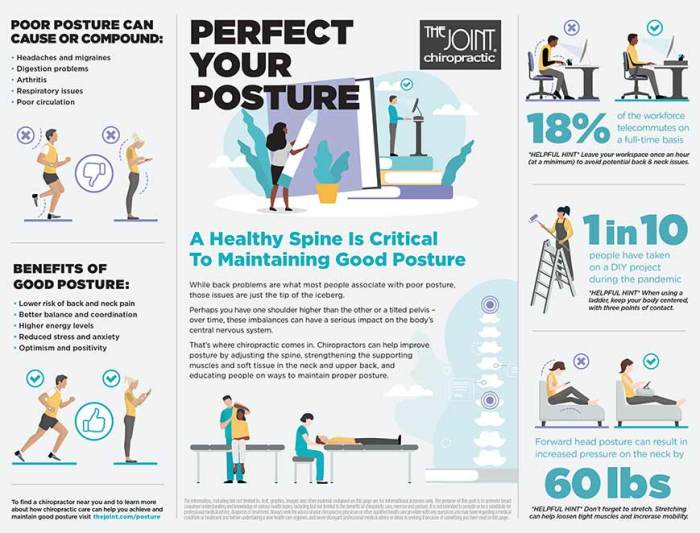
Starting with the importance of good posture for maintaining joint flexibility, this topic delves into the intricate connection between posture and joint health, shedding light on how poor posture can impact flexibility. As we explore exercises that enhance both posture and flexibility, a deeper understanding of their relationship unfolds.
Exploring the significance of maintaining good posture is not just about physical appearance but also about overall joint health and mobility. By focusing on posture improvement strategies, we can pave the way for better joint flexibility and long-term well-being.
Importance of Good Posture for Maintaining Joint Flexibility
Good posture plays a crucial role in maintaining joint flexibility. When we maintain proper alignment of the spine and limbs, it reduces the strain on our joints, allowing them to move more freely and easily. This, in turn, helps prevent stiffness and promotes overall joint health.
How Good Posture Contributes to Joint Flexibility
Maintaining good posture ensures that our joints are in their optimal position, reducing unnecessary stress and pressure on them. When our body is properly aligned, the joints can move through their full range of motion without any restrictions. This helps in preventing tightness and stiffness in the joints, allowing for better flexibility and mobility.
- Proper posture supports the natural curvature of the spine, which is essential for the health of our vertebral joints.
- Correct alignment of the shoulders and hips reduces the risk of overloading the joints and causing pain or discomfort.
- Good posture promotes even distribution of weight on the joints, preventing uneven wear and tear that can lead to joint problems.
Impact of Poor Posture on Joint Flexibility
On the contrary, poor posture can have detrimental effects on joint flexibility. Slouching, hunching over, or sitting in awkward positions can put excessive strain on the joints, leading to stiffness and limited range of motion.
- Incorrect posture can cause imbalances in muscle strength, which can affect the stability and flexibility of the joints.
- Slouched posture compresses the spine and restricts the movement of the vertebrae, leading to decreased flexibility in the back and neck.
- Poor alignment of the knees and ankles can result in increased pressure on these joints, causing discomfort and reduced flexibility.
Exercises to Improve Posture and Flexibility
Engaging in specific exercises can help improve posture and enhance joint flexibility. These exercises focus on strengthening the core muscles, stretching tight muscles, and promoting proper alignment of the body.
- Yoga and Pilates are effective in improving posture, strengthening the core, and increasing flexibility in various joints.
- Strength training exercises targeting the back, shoulders, and hips help in maintaining proper alignment and reducing strain on the joints.
- Stretching exercises for the hamstrings, quadriceps, and hip flexors can help alleviate tightness and improve flexibility in the lower body joints.
Wellness Programs
Wellness programs play a crucial role in promoting joint flexibility by focusing on overall health and well-being. These programs are designed to address various aspects of physical wellness, including posture improvement strategies that can significantly impact joint health.
Incorporating Posture Improvement Strategies
Wellness programs can incorporate posture improvement strategies through a combination of education, exercises, and ergonomic assessments. Participants are taught the importance of maintaining good posture and provided with tools and techniques to enhance their posture throughout the day.
- Implementing regular stretching routines to improve flexibility and reduce muscle tension.
- Encouraging proper ergonomic adjustments in workstations to prevent strain on joints.
- Promoting mindfulness techniques to increase body awareness and posture correction.
Benefits of Participating in Wellness Programs
Participating in wellness programs can offer numerous benefits for joint health, including:
- Reduced risk of musculoskeletal injuries and chronic pain.
- Improved posture and alignment, leading to better joint mobility and flexibility.
- Enhanced overall physical well-being and quality of life.
Examples of Wellness Programs
There are various wellness programs that focus specifically on posture and flexibility improvement, such as:
- Yoga classes that incorporate poses to strengthen muscles and improve posture.
- Workplace wellness initiatives that offer ergonomic assessments and posture workshops.
- Physical therapy programs that include exercises to enhance joint flexibility and mobility.
Herbal Remedies
Maintaining joint flexibility is crucial for overall wellness, and herbal remedies can play a key role in supporting joint health. These natural remedies have been used for centuries and are known for their positive effects on joint flexibility. By incorporating herbal remedies into your daily routine, you can complement posture-improving practices and promote better joint health.
Specific Herbs for Joint Health
- Turmeric: Known for its anti-inflammatory properties, turmeric can help reduce joint pain and stiffness.
- Ginger: Ginger has been shown to reduce inflammation and improve joint mobility.
- Boswellia: This herb can help decrease inflammation in the joints and improve flexibility.
Incorporating Herbal Remedies into Daily Routine
- Add turmeric or ginger to your meals or drinks for a daily dose of joint-supporting benefits.
- Consider taking herbal supplements that contain these beneficial herbs to ensure you get an adequate amount.
- Explore herbal teas or tinctures for an easy and enjoyable way to incorporate herbs into your routine.
Skin Health
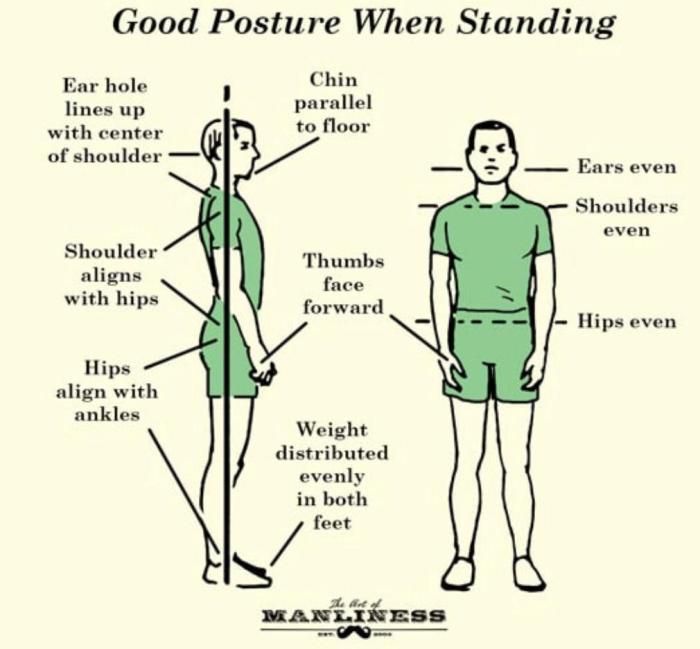
Good posture plays a crucial role not only in maintaining joint flexibility but also in promoting skin health. The connection between skin health and joint flexibility lies in the body’s overall well-being and proper circulation.
Impact of Good Posture on Skin Health
Maintaining good posture helps in ensuring proper blood flow throughout the body, including the skin. This improved circulation can result in a healthier complexion, as nutrients and oxygen are efficiently delivered to the skin cells. Additionally, good posture can prevent skin issues caused by poor circulation, such as dullness or uneven skin tone.
-
Proper blood flow due to good posture can promote collagen production, leading to firmer and more youthful-looking skin.
-
Reduced tension in the muscles from good posture can prevent premature aging signs like wrinkles and sagging skin.
Skincare Routines for Joint Flexibility
Incorporating specific skincare routines can further benefit joint flexibility by keeping the skin healthy and supple. Moisturizing regularly helps in maintaining skin elasticity, which can indirectly support joint movements and flexibility.
- Using moisturizers with ingredients like hyaluronic acid can help in retaining skin moisture, preventing dryness that may impact joint flexibility.
- Exfoliating the skin can improve circulation and cell turnover, contributing to a healthier skin barrier that supports overall joint health.
Importance of Hydration for Skin and Joints
Hydration is essential for both skin health and joint flexibility. Adequate water intake helps in maintaining skin hydration, preventing dryness, and promoting a plump and radiant complexion. Proper hydration also supports joint lubrication, reducing friction between bones and enhancing flexibility.
- Drinking plenty of water throughout the day can benefit the skin by flushing out toxins and promoting a clear and glowing complexion.
- Hydration is crucial for maintaining the synovial fluid in the joints, which acts as a lubricant and shock absorber during movements.
Bone Density: Importance Of Good Posture For Maintaining Joint Flexibility
Maintaining optimal bone density is crucial for supporting joint flexibility and overall musculoskeletal health. Adequate bone density helps to provide structural support for joints and reduce the risk of fractures or injuries.
Relationship between Bone Density and Joint Flexibility
Bone density refers to the amount of mineral content in bone tissue, which directly impacts bone strength and resilience. Higher bone density is associated with stronger bones that are less prone to fractures, providing a solid foundation for joint movement and flexibility.
Influence of Posture on Bone Density and Joint Health
Maintaining good posture plays a significant role in promoting healthy bone density and joint health. Proper alignment of the spine and joints helps distribute weight evenly, reducing unnecessary stress on bones and supporting optimal bone density. Poor posture, on the other hand, can lead to imbalances and increased pressure on certain areas, potentially compromising bone density and joint flexibility over time.
Exercises and Dietary Habits for Optimal Bone Density
Regular weight-bearing exercises, such as walking, jogging, or strength training, help stimulate bone growth and maintain bone density. Incorporating calcium-rich foods like dairy products, leafy greens, and fortified foods into your diet can also support bone health. Additionally, adequate vitamin D intake is essential for calcium absorption and bone strength.
Tips for Maintaining Healthy Bone Density
- Engage in weight-bearing exercises at least three times a week to promote bone health.
- Ensure an adequate intake of calcium and vitamin D through diet or supplements.
- Avoid smoking and limit alcohol consumption, as these habits can negatively impact bone density.
- Get regular bone density screenings to monitor changes and take preventive measures if needed.
Muscle Mass
Maintaining a healthy level of muscle mass is crucial for supporting joint flexibility. Strong muscles provide stability and support to the joints, reducing the risk of injuries and stiffness. Let’s dive into how muscle mass impacts joint health and flexibility.
Importance of Muscle Mass for Joint Flexibility
Building muscle mass through strength training exercises is essential for maintaining joint flexibility. When muscles are strong and well-developed, they can better support the joints and help prevent strain and discomfort. By engaging in regular strength training workouts, individuals can improve their muscle mass, leading to better joint function and flexibility over time.
- Weightlifting: Resistance training with weights or resistance bands helps build muscle mass and strength, supporting joint flexibility.
- Bodyweight exercises: Push-ups, squats, and planks are effective bodyweight exercises that target multiple muscle groups, enhancing overall muscle mass.
- Yoga: Practicing yoga poses can improve muscle tone and flexibility, promoting better joint health and mobility.
Dental Care
Maintaining good dental care practices is not only essential for oral health but also plays a significant role in supporting joint flexibility. The link between dental care and joint flexibility is often overlooked, but poor oral health can have a direct impact on overall joint health.
Impact of Oral Health on Joint Flexibility
- Poor oral health can lead to inflammation in the body, affecting joints and causing stiffness.
- Bacterial infections in the mouth can travel through the bloodstream and contribute to joint pain and swelling.
- Chronic conditions such as gum disease have been linked to arthritis and other joint-related issues.
Tips for Good Dental Care Practices
- Brush your teeth at least twice a day and floss regularly to prevent bacteria buildup.
- Visit your dentist for regular check-ups and cleanings to maintain oral hygiene.
- Limit sugary and acidic foods that can damage teeth and gums, impacting overall health.
Benefits of Proper Dental Alignment for Posture and Joint Health
- Proper dental alignment can improve chewing function, leading to better nutrient absorption for overall joint health.
- Alignment issues in the jaw can cause muscle tension and affect posture, leading to joint strain.
- Orthodontic treatments to correct dental alignment can alleviate jaw pain and improve overall body alignment.
Eye Health
Maintaining good eye health is essential for overall well-being, including joint flexibility. Our eyes play a significant role in helping us maintain proper posture and prevent strain on our muscles and joints.
Connection between Eye Health and Joint Flexibility
- Our eyes are closely connected to our posture, as they help us maintain balance and spatial awareness.
- Poor vision can lead to improper body alignment and compensatory movements that can strain our joints over time.
- By ensuring good eye health, we can improve our posture and reduce the risk of joint issues related to poor alignment.
Eye Exercises for Posture and Joint Health
- Performing regular eye exercises can help strengthen eye muscles and improve focus, reducing the likelihood of straining our neck and back muscles.
- Exercises such as focusing on distant objects, eye circles, and blinking can enhance eye health and indirectly benefit our posture and joint flexibility.
- Incorporating these exercises into our daily routine can contribute to better overall musculoskeletal health.
Importance of Regular Eye Check-ups
- Regular eye check-ups are crucial for detecting any vision problems early on and preventing potential issues that could affect our posture and joint health.
- An optometrist can identify changes in vision that may cause us to strain our eyes and adopt poor postures that could lead to joint discomfort.
- By maintaining good eye health through regular check-ups, we can support our overall musculoskeletal wellness and reduce the risk of posture-related joint problems.
Tips for Reducing Eye Strain
- Take frequent breaks from staring at screens to give your eyes a rest and prevent strain that could affect your posture.
- Ensure proper lighting when reading or working to avoid squinting and straining your eyes, which can lead to muscle tension and postural issues.
- Practice the 20-20-20 rule: every 20 minutes, look at something 20 feet away for at least 20 seconds to reduce eye fatigue and support healthy posture habits.
Mental Clarity
Maintaining mental clarity is essential for overall well-being, including joint flexibility. Stress and mental well-being can directly impact our posture and joint health. By understanding the connection between mental state and physical body, we can improve our posture and maintain joint flexibility more effectively.
Mindfulness Techniques for Mental Clarity and Posture Improvement
- Practice deep breathing exercises to reduce stress and improve focus, which can positively impact posture.
- Engage in yoga or tai chi to promote mindfulness, body awareness, and balance, leading to better posture and joint flexibility.
- Take short breaks throughout the day to stretch and refocus the mind, preventing tension buildup in the body that can affect posture.
Importance of a Clear Mind in Maintaining Good Posture
- A clear mind allows for better concentration on proper body alignment, leading to improved posture and reduced strain on joints.
- Positive mental health can help in managing stress, which is a common factor contributing to poor posture and joint stiffness.
- Being mentally present and focused can help in making conscious adjustments to your posture throughout the day, preventing issues related to joint flexibility.
Joint Flexibility
Maintaining good joint flexibility is crucial for overall health and well-being. Joint flexibility refers to the ability of joints to move through their full range of motion without any restrictions or pain. This is important as it allows for smooth and efficient movement of the body, reducing the risk of injuries and improving posture.
Importance of Joint Flexibility
Poor joint flexibility can lead to stiffness, decreased mobility, and increased risk of joint-related issues such as arthritis. It can also affect daily activities like walking, bending, and reaching. By incorporating stretching exercises into your routine, you can improve joint flexibility, enhance muscle strength, and prevent joint stiffness.
- Regular stretching exercises can help increase blood flow to the joints, promoting better lubrication and reducing the risk of inflammation.
- Improved joint flexibility can enhance athletic performance, reduce the risk of injuries during physical activities, and contribute to better posture.
- As we age, maintaining good joint flexibility becomes even more important to prevent joint degeneration and maintain an active lifestyle.
Digestive Health
Maintaining good digestive health is essential for overall well-being, including joint flexibility. The connection between digestive health and joint flexibility lies in the body’s ability to absorb essential nutrients that support joint function and mobility.
Influence of Diet and Gut Health on Joint Health
A healthy diet plays a crucial role in supporting joint health and flexibility. Certain nutrients like omega-3 fatty acids, vitamin D, and antioxidants have anti-inflammatory properties that can help reduce joint pain and stiffness. Additionally, gut health influences the absorption of these nutrients, making it important to maintain a balanced gut microbiome.
- Include foods rich in omega-3 fatty acids, such as salmon, flaxseeds, and walnuts, to reduce inflammation in the joints.
- Consume vitamin D-rich foods like fortified dairy products, egg yolks, and sunlight exposure to support bone health and joint flexibility.
- Eat a variety of colorful fruits and vegetables to benefit from their antioxidant properties, which can help protect the joints from damage.
Impact of Gut Inflammation on Joint Mobility
Gut inflammation can lead to systemic inflammation in the body, affecting joint mobility and flexibility. When the gut lining is compromised, it can result in the leakage of toxins into the bloodstream, triggering an inflammatory response that can contribute to joint pain and stiffness.
Gut health is intricately linked to joint health, emphasizing the importance of maintaining a healthy digestive system for optimal joint flexibility.
Detox Process
Detoxification plays a crucial role in improving joint flexibility by eliminating toxins that can hinder joint health. By removing harmful substances from the body, the joints can function optimally and move more freely.
Methods for Gentle Detox Processes
When it comes to supporting joint flexibility through detox, gentle methods are often recommended to avoid putting unnecessary stress on the body. Some effective techniques include:
- Increasing water intake to flush out toxins and hydrate the joints.
- Incorporating foods rich in antioxidants and nutrients to support the body’s natural detoxification processes.
- Engaging in activities like yoga or massage to promote circulation and lymphatic drainage, aiding in toxin removal.
- Using herbal supplements or teas known for their detoxifying properties, such as dandelion root or milk thistle.
Role of Hydration and Nutrition in Detox Process
Hydration and nutrition play a vital role in aiding the detox process for joint health. Water helps flush out toxins, while a balanced diet rich in fruits, vegetables, and whole grains provides essential nutrients for optimal detoxification. By staying hydrated and consuming nutrient-dense foods, the body can effectively eliminate waste and support overall joint flexibility.
Blood Pressure
Maintaining healthy blood pressure levels is crucial for overall health, including joint flexibility. High or low blood pressure can have a significant impact on joint health, affecting the proper function and movement of joints. It is essential to understand the relationship between blood pressure and joint flexibility to prioritize the well-being of your joints.
Impact of Blood Pressure on Joint Health
Maintaining healthy blood pressure levels is essential for optimal joint health. High blood pressure can lead to inflammation in the joints, causing pain and reducing flexibility. On the other hand, low blood pressure may result in poor circulation to the joints, affecting their mobility and function.
Both scenarios can contribute to joint stiffness, discomfort, and increased risk of injury.
- Regular cardiovascular exercise, such as walking, swimming, or cycling, can help improve blood pressure levels and promote better circulation to the joints.
- Incorporating strength training exercises to build muscle around the joints can provide support and stability, reducing the impact of blood pressure fluctuations on joint health.
- Adopting a balanced diet rich in fruits, vegetables, lean proteins, and whole grains can contribute to maintaining healthy blood pressure levels and overall joint health.
- Practicing stress-reducing activities like yoga, meditation, or deep breathing exercises can help lower blood pressure and promote relaxation, benefiting joint flexibility.
Monitoring Blood Pressure Levels for Joint Health
Regular monitoring of blood pressure levels is essential for overall joint health. By keeping track of your blood pressure readings, you can identify any fluctuations or abnormalities that may impact your joints. Consulting with a healthcare provider to establish a personalized plan for maintaining healthy blood pressure levels can significantly benefit joint flexibility and reduce the risk of joint-related issues in the long run.
Heart Rate
Maintaining a healthy heart rate is crucial for overall well-being, including joint health. Let’s explore how heart rate is connected to joint flexibility and mobility.
Cardiovascular Health and Joint Mobility
Cardiovascular health plays a significant role in influencing joint mobility. When your heart is healthy and functioning properly, it ensures that an adequate supply of oxygen and nutrients reaches your muscles and joints. This, in turn, helps in maintaining flexibility and reducing the risk of stiffness or pain in the joints.
Aerobic Exercises for Heart Rate and Joint Flexibility
Engaging in aerobic exercises is an excellent way to improve heart rate and support joint flexibility. Activities like brisk walking, cycling, swimming, or dancing can elevate your heart rate, strengthen your cardiovascular system, and promote better blood flow to the joints.
This, in turn, helps in enhancing joint mobility and reducing the risk of injuries.
Benefits of Healthy Heart Rate for Joint Health
Maintaining a healthy heart rate brings a myriad of benefits for overall joint health. A strong and efficient cardiovascular system ensures better circulation, which aids in nourishing the joints and reducing inflammation. Additionally, improved heart rate can support better endurance during physical activities, preventing strain on the joints and promoting longevity in joint flexibility.
Health Screenings
Regular health screenings play a crucial role in assessing joint flexibility and overall joint health. These screenings help in early detection of any issues and allow for proactive management of joint flexibility.
Role of Health Screenings in Assessing Joint Flexibility
Health screenings such as physical examinations, imaging tests like X-rays or MRIs, and flexibility tests can help assess joint flexibility. These screenings provide valuable information about the condition of joints, identifying any stiffness, inflammation, or range of motion limitations.
Importance of Regular Health Check-ups for Early Detection of Joint Issues
Regular health check-ups ensure that any joint issues are detected early on, allowing for timely intervention and treatment. This can prevent the progression of joint problems and help maintain optimal joint flexibility.
Common Health Screenings to Monitor Joint Health
- Physical examinations to assess joint function and flexibility
- Imaging tests like X-rays, MRIs, or ultrasound to visualize joint structure
- Blood tests to check for markers of inflammation or joint conditions
How Health Screenings Contribute to Proactive Joint Flexibility Management
By undergoing regular health screenings, individuals can stay informed about the condition of their joints and take necessary steps to maintain or improve joint flexibility. Early detection of joint issues through screenings allows for timely interventions such as physical therapy, medication, or lifestyle changes to support joint health.
Vaccination Programs
Maintaining joint health is crucial for overall well-being, and vaccination programs play a significant role in supporting joint flexibility by preventing illnesses that can impact joint health.
Impact of Vaccinations on Joint Health
Vaccinations help prevent infectious diseases that can lead to inflammation and damage to joints, such as arthritis. By reducing the risk of these illnesses, vaccinations contribute to maintaining joint flexibility and overall joint health.
Importance of Staying Up-to-Date with Vaccinations
It is essential to stay current with vaccinations to ensure optimal protection against diseases that can affect joint flexibility. Regular vaccinations not only safeguard your health but also support a more flexible and resilient body.
Contribution to a Healthier and More Flexible Body
Vaccination programs play a vital role in promoting a healthier and more flexible body by preventing illnesses that could compromise joint health. By staying up-to-date with vaccinations, individuals can support their overall well-being and maintain better joint flexibility.
Healthy Habits
Maintaining joint flexibility is not just about proper posture and exercise; it also involves cultivating healthy habits that support overall joint health. Consistency in practicing these habits is key to ensuring optimal joint flexibility and preventing stiffness or pain.
Daily Habits for Good Posture and Joint Health
- Avoid prolonged sitting or standing in one position by taking short breaks to stretch and move around.
- Practice good posture while sitting, standing, and walking to reduce strain on joints.
- Engage in regular exercise that includes stretching and strengthening exercises to support joint flexibility.
- Eat a balanced diet rich in nutrients that support bone and joint health, such as calcium, vitamin D, and omega-3 fatty acids.
- Stay hydrated to support joint lubrication and reduce the risk of stiffness.
Impact of Small Lifestyle Changes on Joint Health, Importance of good posture for maintaining joint flexibility
- Simple adjustments like using ergonomic furniture or tools can reduce joint strain and improve posture.
- Incorporating mindfulness practices like yoga or tai chi can enhance body awareness and promote better alignment.
- Getting an adequate amount of sleep each night is crucial for joint recovery and overall musculoskeletal health.
- Avoiding activities or habits that put unnecessary stress on joints, such as lifting heavy objects improperly or wearing high heels frequently.
Balanced Hormones
Maintaining balanced hormones is crucial for overall health, including joint flexibility. Hormones play a significant role in regulating various bodily functions, including muscle and bone health.
Influence of Balanced Hormones on Joint Flexibility
- Estrogen: This hormone helps maintain joint lubrication and can prevent stiffness and pain in the joints.
- Testosterone: Important for muscle mass and strength, which can support joint stability and flexibility.
- Cortisol: High levels of cortisol, the stress hormone, can lead to inflammation and joint pain, affecting flexibility.
Hormonal Changes and Posture/Joint Health
- During menopause, a decrease in estrogen levels can lead to joint pain and stiffness, affecting posture.
- Thyroid imbalances can impact metabolism and muscle function, influencing posture and joint health.
- Adrenal gland issues can result in hormonal imbalances that affect joint mobility and posture.
Tips for Maintaining Hormone Balance for Joint Flexibility
- Regular exercise can help regulate hormone levels and support joint health.
- Eating a balanced diet rich in nutrients can promote hormonal balance and overall wellness.
- Managing stress through relaxation techniques can help prevent hormonal imbalances that affect joint flexibility.
Connection Between Hormone Levels and Joint Mobility
- Optimal hormone levels can support muscle strength and joint flexibility, improving overall mobility.
- Hormonal imbalances can lead to inflammation and joint pain, restricting movement and flexibility.
- Consulting with a healthcare provider can help identify and address hormonal issues that may impact joint health and flexibility.
Health Coaching
Health coaching plays a crucial role in improving joint flexibility by providing individuals with personalized support and guidance to adopt healthy habits and practices that benefit their overall well-being.
Role of Health Coaching in Improving Joint Flexibility
- Health coaches can assess an individual’s current posture and movement patterns to identify areas of improvement.
- They can create personalized exercise routines and stretching techniques to enhance joint flexibility and correct posture.
- Health coaches offer motivation and accountability to help individuals stay consistent with their posture-improving strategies.
Benefits of Working with a Health Coach for Joint Health and Flexibility
- Improved posture can reduce the risk of joint pain, injuries, and stiffness.
- Health coaches provide ongoing support and guidance to ensure individuals maintain proper alignment and movement patterns.
- Working with a health coach can lead to increased confidence and overall physical well-being.
Examples of Health Coaching Techniques for Posture and Joint Flexibility
- Implementing daily stretching routines to increase flexibility and range of motion in joints.
- Using ergonomic assessments to optimize workstations and daily activities for better posture.
- Encouraging mindfulness and body awareness to promote proper alignment and reduce strain on joints.
Fitness Goals
Setting fitness goals is crucial for enhancing joint flexibility as it provides a clear target to work towards. By establishing specific goals related to posture and joint health, individuals can tailor their workout plans to focus on improving flexibility and mobility.
Tips for Creating Workout Plans
- Start with a thorough assessment of your current fitness level and joint flexibility to identify areas that need improvement.
- Include a mix of flexibility, strength, and cardiovascular exercises in your routine to promote overall joint health.
- Focus on exercises that target core strength, balance, and proper alignment to support good posture and reduce strain on joints.
- Gradually increase the intensity and duration of your workouts to challenge your body and continuously improve joint flexibility.
Positive Impact of Achieving Fitness Goals
Regular exercise and achieving fitness goals can have a positive impact on joint flexibility by strengthening muscles, improving range of motion, and reducing stiffness. When you consistently work towards your fitness goals, you are actively contributing to the health and mobility of your joints.
Link Between Exercise Routines and Joint Mobility
Regular exercise routines that focus on flexibility, strength, and mobility can significantly improve joint function and reduce the risk of stiffness or injury. By incorporating a variety of exercises that target different muscle groups and promote proper alignment, individuals can experience improved joint mobility and flexibility over time.
Diet Planning
Maintaining joint flexibility is crucial for overall health and well-being. Diet planning plays a significant role in supporting joint flexibility by providing the necessary nutrients to keep joints healthy and mobile.
Role of Nutrition in Joint Health
Proper nutrition is essential for maintaining healthy joints. Nutrients like vitamins C and D, calcium, magnesium, and omega-3 fatty acids are crucial for supporting joint health and flexibility. These nutrients help reduce inflammation, strengthen bones, and lubricate joints, keeping them flexible and pain-free.
- Eat a balanced diet rich in fruits, vegetables, whole grains, lean proteins, and healthy fats.
- Include foods high in antioxidants, such as berries, spinach, and nuts, to reduce inflammation in the joints.
- Consume sources of omega-3 fatty acids like salmon, chia seeds, and walnuts to help lubricate joints and reduce stiffness.
- Ensure an adequate intake of calcium and vitamin D through dairy products, leafy greens, and fortified foods to support bone health and joint flexibility.
Health Supplements
Maintaining good posture is essential for joint flexibility, but sometimes our bodies need an extra boost to support overall joint health. This is where health supplements come into play, offering a convenient way to provide our joints with the necessary nutrients for optimal function.
Specific Supplements for Joint Health
- Glucosamine: Known for its role in building and maintaining joint cartilage, glucosamine can help reduce joint pain and improve flexibility.
- Omega-3 fatty acids: Found in fish oil supplements, omega-3s have anti-inflammatory properties that can benefit joint health and reduce stiffness.
- Collagen: This protein is essential for maintaining the structural integrity of joints and can help improve flexibility and reduce pain.
Complementing Posture Practices with Supplements
Supplements can work hand in hand with posture-improving practices to enhance joint flexibility. By combining the benefits of good posture with the targeted support of supplements, individuals can experience improved joint health and overall well-being.
Tips for Choosing the Right Supplements
- Consult with a healthcare provider or nutritionist to determine which supplements are best suited for your specific needs.
- Look for high-quality supplements from reputable brands to ensure purity and effectiveness.
- Consider your diet and lifestyle when selecting supplements to address any deficiencies or areas of concern.
Breathing Techniques
Proper breathing techniques play a crucial role in maintaining joint flexibility and overall health. The way we breathe can impact our posture, muscle tension, and joint mobility. By incorporating specific breathing exercises into our daily routine, we can improve our posture and support the health of our joints.
Connection between Breathing Techniques and Joint Flexibility
Breathing techniques are closely linked to joint flexibility because they help to relax the muscles surrounding the joints. When we take slow, deep breaths, it signals to our body to release tension and reduce stress. This can result in better posture, as tight muscles can pull our body out of alignment and put pressure on our joints.
- Practice diaphragmatic breathing: Focus on breathing deeply into your diaphragm rather than shallow chest breathing. This can help release tension in the muscles around your spine and improve overall posture.
- Try box breathing: Inhale for a count of four, hold for four, exhale for four, and hold for four. This breathing technique can help calm the nervous system and reduce muscle tension, supporting joint flexibility.
- Explore alternate nostril breathing: This technique involves breathing in through one nostril and out through the other, which can promote relaxation, reduce stress, and improve circulation to support joint health.
Benefits of Breathing Techniques for Joint Health
Incorporating breathing exercises into your daily routine can have numerous benefits for joint health. By reducing muscle tension, promoting relaxation, and improving circulation, breathing techniques can support better posture, enhance joint flexibility, and reduce the risk of injury.
Proper breathing can enhance the mind-body connection, allowing you to be more aware of your posture and movement patterns, ultimately leading to improved joint health.
Disease Prevention
Maintaining good joint flexibility is closely linked to disease prevention strategies. By taking proactive measures to prevent illnesses that affect joint health, individuals can significantly improve their overall joint mobility and flexibility.
Common Diseases Impacting Joint Health
- Arthritis: One of the most common diseases affecting joint health is arthritis, which causes inflammation and stiffness in the joints, leading to reduced flexibility and mobility.
- Osteoporosis: This condition weakens the bones, increasing the risk of fractures and impacting joint function and flexibility.
- Gout: Gout is a form of arthritis characterized by sudden and severe attacks of pain, swelling, and redness in the joints, often affecting flexibility.
Preventive Measures for Joint-Related Illnesses
- Maintain a healthy weight to reduce stress on the joints and prevent conditions like arthritis.
- Stay physically active with exercises that promote joint flexibility and strengthen surrounding muscles.
- Follow a balanced diet rich in nutrients essential for joint health, such as omega-3 fatty acids and antioxidants.
- Avoid smoking and limit alcohol consumption to reduce inflammation and improve overall joint function.
Importance of Proactive Disease Prevention
Regularly engaging in disease prevention activities not only helps in maintaining good joint flexibility but also contributes to overall health and well-being. By taking a proactive approach to prevent joint-related illnesses, individuals can enjoy better mobility, reduced pain, and improved quality of life.
Pain Management
Maintaining joint flexibility is closely tied to effective pain management. When joint pain is present, it can hinder mobility and negatively impact posture, leading to further discomfort and stiffness. By addressing and managing pain effectively, individuals can improve their posture and overall joint health, allowing for better flexibility and range of motion.
Techniques for Alleviating Joint Pain
- Regular exercise: Engaging in low-impact activities like swimming or yoga can help strengthen muscles around the joints, reducing pain and stiffness.
- Hot and cold therapy: Alternating between heat and ice packs can help alleviate inflammation and provide relief from joint pain.
- Proper ergonomics: Maintaining good posture during daily activities and using ergonomic tools can reduce strain on joints and prevent pain.
- Massage therapy: Regular massages can help increase blood flow to the joints, promoting healing and reducing pain.
Holistic Treatments
Holistic treatments play a vital role in enhancing joint flexibility by addressing the body as a whole, rather than just focusing on individual symptoms. These alternative therapies aim to improve posture, mobility, and overall well-being, thus contributing to better joint health.
Acupuncture
Acupuncture is a traditional Chinese medicine technique that involves inserting thin needles into specific points on the body to stimulate energy flow. This holistic approach can help relieve pain, reduce inflammation, and improve joint flexibility by targeting key meridian points related to joint health.
Yoga and Pilates
Yoga and Pilates are mind-body practices that focus on strength, flexibility, and balance. These holistic exercises can help improve posture, increase joint mobility, and enhance overall body awareness. By incorporating yoga and Pilates into a daily routine, individuals can experience improved joint flexibility and reduced risk of injuries.
Massage Therapy
Massage therapy is another holistic treatment that can benefit joint flexibility by reducing muscle tension, improving circulation, and promoting relaxation. Therapeutic massages can target specific areas of the body that are prone to stiffness or discomfort, helping to enhance range of motion and alleviate joint pain.
Herbal Remedies and Supplements
Herbal remedies and natural supplements can also support joint health by reducing inflammation, promoting tissue repair, and enhancing overall joint function. Holistic approaches such as incorporating turmeric, ginger, or glucosamine supplements into a daily regimen can provide additional support for maintaining joint flexibility and mobility.
Mental Resilience
Maintaining mental resilience is crucial for overall well-being, including the health of your posture and joint flexibility. When you are stressed or overwhelmed, your body tends to tense up, leading to poor posture habits that can strain your joints and muscles.
Impact on Posture and Joint Flexibility
Developing mental resilience can significantly impact your posture and joint flexibility. By managing stress effectively, you can prevent the physical manifestations of tension in your body, such as slouching or hunching over, which can contribute to joint stiffness and reduced flexibility.
- Practicing mindfulness techniques, such as deep breathing or meditation, can help you stay present and calm, reducing the likelihood of tensing up your muscles and compromising your posture.
- Regular physical activity, like yoga or Pilates, not only strengthens your muscles but also improves your mental resilience, allowing you to better cope with stress and maintain good posture habits.
- Seeking support from a therapist or counselor can also be beneficial in developing mental resilience and addressing underlying emotional issues that may be affecting your posture and joint health.
Positive Mindset and Posture Improvement
Having a positive mindset is essential for maintaining good posture and joint flexibility. When you approach life with optimism and resilience, you are more likely to adopt healthy habits, including proper posture, that support the overall health of your body.
- Practicing gratitude and focusing on the things you can control can help shift your mindset towards positivity, reducing stress and tension that can impact your posture.
- Avoiding negative self-talk and cultivating self-compassion can also contribute to a positive mindset that supports your efforts in improving your posture and joint flexibility.
- Engaging in activities that bring you joy and fulfillment can boost your mental resilience and motivate you to prioritize self-care practices, including maintaining good posture habits.
Ending Remarks
In conclusion, the journey through the importance of good posture for maintaining joint flexibility has highlighted the crucial role posture plays in joint health. By incorporating exercises and wellness strategies that enhance posture, we can strive towards improved flexibility and overall quality of life.
FAQ Summary
How does good posture contribute to joint flexibility?
Good posture helps align the body properly, reducing strain on joints and allowing for better movement and flexibility.
What are some examples of exercises that can improve posture and flexibility?
Exercises like yoga, Pilates, and specific strength training routines can help improve both posture and flexibility.
How can wellness programs promote joint flexibility through posture improvement strategies?
Wellness programs often include exercises and routines that focus on posture correction and strengthening, which in turn enhance joint flexibility.


