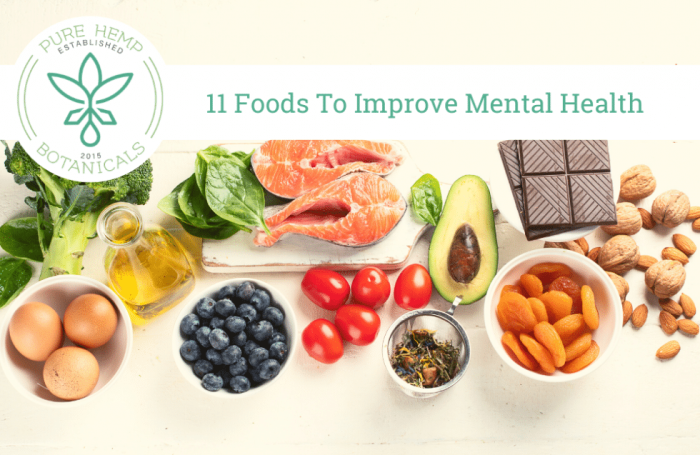
Benefits of a balanced diet for mental clarity and focus takes center stage in this exploration, shedding light on how the food we eat impacts our cognitive abilities. Dive into a world where nutrition plays a crucial role in sharpening our mental faculties and maintaining focus with precision.
As we unravel the significance of a well-rounded diet in boosting brain function, we uncover a plethora of insights into the power of food for enhancing our mental acuity.
Benefits of a balanced diet for mental clarity and focus
Eating a well-balanced diet plays a crucial role in maintaining optimal mental clarity and focus. The foods we consume have a direct impact on brain function, affecting our cognitive abilities and overall mental well-being.
Impact of a balanced diet on mental clarity
A diet rich in nutrients like antioxidants, vitamins, and minerals can help improve mental clarity by reducing inflammation in the brain and promoting neural communication. Foods such as berries, leafy greens, and nuts have been shown to enhance cognitive function and memory.
Role of omega-3 fatty acids in brain health
Omega-3 fatty acids, found in fatty fish like salmon and walnuts, are essential for brain health and function. These healthy fats support the structure of brain cells, improve neurotransmitter function, and aid in the production of new brain cells, all of which contribute to enhanced mental clarity and focus.
Scientific studies supporting the link between diet and mental acuity
Numerous studies have demonstrated the connection between diet and mental acuity. Research shows that a diet high in processed foods and sugar can impair cognitive function and increase the risk of mental health disorders. Conversely, a diet rich in whole foods, including fruits, vegetables, whole grains, and lean proteins, has been associated with improved focus, memory, and overall brain health.
Wellness Programs
Wellness programs encompass a variety of initiatives aimed at promoting overall health and well-being. These programs typically focus on physical, mental, and emotional aspects of wellness to help individuals achieve balance and vitality in their lives.
Components of a Holistic Wellness Program
- Physical Fitness: Regular exercise and movement to improve cardiovascular health, strength, and flexibility.
- Nutrition Guidance: Education on healthy eating habits and balanced diets to fuel the body and mind.
- Mental Health Support: Counseling, stress management techniques, and mindfulness practices to enhance emotional well-being.
- Social Connections: Encouraging positive relationships and community involvement for a sense of belonging and support.
- Work-Life Balance: Strategies to manage work-related stress and prioritize self-care for overall wellness.
How Wellness Programs Improve Mental Clarity and Focus
Wellness programs play a crucial role in enhancing mental clarity and focus by addressing various aspects of well-being. Regular exercise, proper nutrition, and stress management techniques can positively impact cognitive function and concentration. When individuals prioritize their overall wellness, they are better equipped to handle daily challenges and maintain mental sharpness.
Importance of Incorporating Mental Health in Wellness Initiatives
- Reducing Stigma: By integrating mental health into wellness programs, individuals feel more comfortable seeking support and addressing mental health concerns.
- Comprehensive Care: Mental health is an integral part of overall well-being, and addressing it in wellness initiatives ensures a holistic approach to health.
- Preventative Measures: By promoting mental health awareness and providing resources for support, wellness programs can help prevent mental health issues before they escalate.
Success Stories of Individuals Benefiting from Wellness Programs
John, a participant in a workplace wellness program, shared how incorporating daily exercise and mindfulness practices improved his focus at work and reduced his stress levels significantly.
Sarah, who struggled with anxiety, found relief through a wellness program that emphasized mental health support and self-care strategies. She reported feeling more grounded and focused after implementing these practices in her daily routine.
Herbal Remedies
Herbal remedies have been used for centuries to enhance cognitive function and improve mental clarity. These natural remedies offer a holistic approach to boosting focus and concentration.
Popular Herbal Remedies for Mental Clarity
- Ginkgo Biloba: Known for its ability to improve blood flow to the brain, Ginkgo Biloba is often used to enhance memory and cognitive function.
- Bacopa Monnieri: This herb is believed to support the brain’s neurotransmitters, promoting better focus, learning, and memory retention.
- Ashwagandha: With its adaptogenic properties, Ashwagandha helps reduce stress and anxiety, leading to improved cognitive performance.
Effectiveness of Herbal Supplements
Research has shown that certain herbal supplements can indeed enhance mental clarity and focus. However, individual responses may vary, and it’s important to consult with a healthcare provider before starting any new supplement regimen.
Potential Risks and Benefits
While herbal remedies can offer natural benefits for mental clarity, they also come with potential risks. It’s crucial to be aware of possible interactions with medications and any side effects that may arise from using herbal supplements.
Traditional Practices with Herbal Remedies
In traditional medicine practices like Ayurveda and Traditional Chinese Medicine, herbs have long been used to improve focus and cognitive function. These ancient healing systems offer valuable insights into the power of nature in enhancing mental clarity.
Skin Health
A balanced diet plays a crucial role in maintaining healthy skin, which in turn has a significant impact on mental health. Proper nutrition provides the essential vitamins, minerals, and antioxidants needed to support skin health and overall well-being.
Connection Between Skin Health and Self-Esteem
Healthy skin is often associated with higher self-esteem and confidence levels. When our skin looks and feels good, it can positively influence how we perceive ourselves and interact with others.
Role of Antioxidants in Promoting Skin Health
- A diet rich in antioxidants, such as vitamins C and E, helps protect the skin from damage caused by free radicals.
- Antioxidants can also help reduce inflammation, promote collagen production, and improve overall skin texture and appearance.
Skincare Routines for Mental Well-Being
- Establishing a consistent skincare routine can have a calming effect on the mind and body, promoting relaxation and self-care.
- Incorporating mindfulness practices, such as gentle facial massages or applying skincare products with soothing scents, can enhance the overall mental well-being.
Bone Density: Benefits Of A Balanced Diet For Mental Clarity And Focus
Having strong bones is not only essential for physical health but also plays a crucial role in maintaining cognitive function and mental clarity. A balanced diet rich in specific nutrients can help support bone density while also enhancing focus and concentration.
Nutrients Essential for Bone Health and Mental Clarity
Calcium, Vitamin D, Vitamin K, and magnesium are key nutrients that contribute to optimal bone health and cognitive function. Calcium is vital for bone strength, while Vitamin D helps in the absorption of calcium. Vitamin K plays a role in bone mineralization, and magnesium supports bone density and nerve function.
- Include dairy products, leafy greens, almonds, and fortified foods in your diet to ensure an adequate intake of calcium.
- Get plenty of sunlight exposure and consume fatty fish like salmon to boost your Vitamin D levels.
- Eat more broccoli, Brussels sprouts, and soybeans to increase your intake of Vitamin K.
- Incorporate nuts, seeds, whole grains, and legumes to meet your magnesium requirements.
Tips for Improving Bone Density through Dietary Choices
Aside from consuming nutrient-rich foods, there are other dietary strategies you can implement to support bone health and mental acuity.
- Avoid excessive consumption of caffeine and alcohol, as they can interfere with calcium absorption and contribute to bone loss.
- Limit processed foods and sugary beverages, as they can negatively impact bone density and cognitive function.
- Stay hydrated by drinking an adequate amount of water daily, as dehydration can affect bone strength and mental clarity.
Exercises for Bone Health and Mental Acuity
Physical activity is also crucial for maintaining strong bones and cognitive function. Incorporate weight-bearing exercises and activities that challenge your balance and coordination for optimal bone density and mental acuity.
- Engage in activities like walking, jogging, dancing, or weightlifting to stimulate bone growth and maintain bone strength.
- Practice yoga or tai chi to improve balance, flexibility, and coordination, which can help prevent falls and fractures.
- Include resistance training in your workout routine to build muscle mass, which in turn supports bone health and cognitive function.
Muscle Mass
A balanced diet plays a crucial role in influencing muscle mass and cognitive performance. Proper nutrition provides the necessary nutrients to support muscle growth and mental focus, enhancing overall physical and mental well-being.
Protein Intake for Muscle Growth and Mental Focus
Protein is essential for muscle repair and growth, making it a key component in building and maintaining muscle mass. Adequate protein intake also supports neurotransmitter function in the brain, improving cognitive performance and focus. Include lean sources of protein in your diet such as chicken, fish, tofu, and legumes to optimize muscle growth and mental clarity.
Role of Carbohydrates in Supporting Muscle Function and Brain Health
Carbohydrates are the body’s primary source of energy, crucial for fueling both muscle function and brain health. Complex carbohydrates like whole grains, fruits, and vegetables provide sustained energy levels, supporting muscle performance during physical activities and enhancing cognitive function. Incorporate a balance of carbohydrates in your meals to maintain optimal muscle function and mental clarity.
Dietary Strategies for Optimizing Muscle Mass and Mental Clarity
- Include a variety of nutrient-dense foods in your diet to ensure your body receives essential vitamins and minerals for muscle growth and cognitive function.
- Stay hydrated by drinking an adequate amount of water to support muscle function and brain health.
- Prioritize quality sleep to allow your muscles to recover and repair, promoting muscle growth and mental focus.
- Engage in regular physical activity to stimulate muscle development and improve overall cognitive performance.
Dental Care
Maintaining good dental health is not only important for a bright smile but also for cognitive function and mental clarity. The connection between oral health, diet, and overall well-being is significant, as the foods we consume can impact our teeth and brain health.
Tips for Good Dental Hygiene
- Brush your teeth at least twice a day with fluoride toothpaste to remove plaque and prevent cavities.
- Floss daily to clean between teeth and prevent gum disease.
- Avoid sugary and acidic foods that can erode tooth enamel and lead to decay.
- Stay hydrated and drink plenty of water to rinse away food particles and bacteria.
- Visit your dentist regularly for check-ups and cleanings to maintain oral health.
Impact of Sugar and Acidic Foods on Dental Health
Sugar and acidic foods can wreak havoc on dental health by promoting the growth of harmful bacteria that cause cavities and gum disease. Excessive consumption of sugary snacks and drinks can lead to tooth decay and compromise overall oral hygiene.
Preventive Measures for Dental Health
- Avoid excessive consumption of sugary and acidic foods to protect tooth enamel.
- Practice good oral hygiene habits, including brushing, flossing, and rinsing with mouthwash.
- Consider using fluoride toothpaste and mouthwash to strengthen teeth and prevent decay.
- Limit snacking between meals to reduce the risk of cavities and maintain oral health.
- Seek professional dental care for any concerns or issues to prevent long-term damage.
Eye Health

Maintaining good eye health is essential for overall well-being and cognitive function. A balanced diet plays a crucial role in supporting optimal vision and mental acuity.
Nutrients for Eye Health and Mental Clarity
A diet rich in nutrients such as vitamin A, C, E, and zinc can help protect the eyes from age-related damage and maintain sharp vision. Omega-3 fatty acids are also beneficial for reducing inflammation and supporting brain health, which can enhance mental clarity.
- Include leafy greens, carrots, and bell peppers in your diet for their high vitamin A content.
- Eat citrus fruits, strawberries, and nuts for vitamin C and E, which act as antioxidants for eye protection.
- Consume seafood, flaxseeds, and walnuts for omega-3 fatty acids to support brain function and eye health.
- Opt for whole grains, lean meats, and legumes for zinc, crucial for maintaining good vision.
Tips for Reducing Eye Strain and Improving Focus
Incorporating certain foods into your diet can help reduce eye strain and enhance focus. Additionally, adopting good eye care practices can further support eye health and mental clarity.
- Stay hydrated by drinking plenty of water throughout the day to prevent dry eyes and maintain focus.
- Avoid excessive screen time and take regular breaks to rest your eyes and prevent strain.
- Incorporate foods rich in lutein and zeaxanthin, such as spinach and kale, to protect your eyes from harmful blue light emitted by screens.
- Practice eye exercises like focusing on distant objects and blinking regularly to keep your eyes lubricated and reduce strain.
Joint Flexibility
Maintaining joint flexibility is crucial for overall mobility and cognitive function. A balanced diet plays a significant role in promoting joint health and mental clarity.
Influence of Diet on Joint Flexibility and Cognitive Abilities
A diet rich in anti-inflammatory foods can help reduce joint pain and stiffness, allowing for better range of motion and flexibility. These foods also support cognitive function by reducing inflammation in the brain, which can improve focus and mental clarity.
- Include omega-3 fatty acids found in fatty fish like salmon, walnuts, and flaxseeds to reduce inflammation in the joints and support brain health.
- Antioxidant-rich fruits and vegetables such as berries, spinach, and kale can help protect joints from damage and enhance cognitive abilities.
- Spices like turmeric and ginger have anti-inflammatory properties that can benefit both joint flexibility and mental focus.
Role of Hydration in Maintaining Joint Flexibility and Mental Clarity
Proper hydration is essential for lubricating the joints and supporting cognitive function. Dehydration can lead to joint stiffness and decreased mental alertness.
- Drink an adequate amount of water throughout the day to keep joints well-lubricated and support optimal brain function.
- Herbal teas and coconut water can also contribute to hydration and provide additional nutrients that benefit joint health and mental clarity.
Lifestyle Habits Supporting Joint Health and Cognitive Function
In addition to a balanced diet, certain lifestyle habits can further enhance joint flexibility and cognitive abilities.
- Regular exercise, including activities that promote flexibility and strength, can help maintain healthy joints and improve cognitive function.
- Practicing stress-reducing techniques such as meditation and deep breathing can support joint health by reducing inflammation and promote mental clarity.
- Adequate rest and quality sleep are essential for joint recovery and cognitive processing, allowing the body and mind to function optimally.
Digestive Health
Good digestive health is essential for overall well-being, including mental clarity and focus. The connection between gut health, diet, and cognitive function is significant, as the gut is often referred to as the “second brain” due to its impact on various bodily functions, including mood and mental health.
The Role of Probiotics and Fiber
Probiotics are beneficial bacteria that help maintain a healthy balance in the gut microbiome, which is crucial for proper digestion and absorption of nutrients. They can also support cognitive function by reducing inflammation and promoting the production of neurotransmitters like serotonin.
Fiber, on the other hand, aids in digestion by promoting regular bowel movements and supporting the growth of good bacteria in the gut. This, in turn, can positively impact mental clarity and focus by reducing bloating, gas, and discomfort that may arise from poor digestion.
Dietary Recommendations for Gut Health
- Incorporate fermented foods like yogurt, kefir, sauerkraut, and kimchi into your diet to increase probiotic intake.
- Include plenty of fiber-rich foods such as fruits, vegetables, whole grains, and legumes to support digestive health.
- Drink an adequate amount of water daily to help fiber move through the digestive system smoothly.
- Avoid processed foods, sugary snacks, and excessive alcohol consumption, as they can disrupt gut bacteria balance.
Supporting Digestive Health for Mental Well-being
- Practice mindful eating to aid digestion and reduce stress, which can negatively impact gut health.
- Engage in regular physical activity to promote healthy digestion and overall well-being.
- Consider incorporating prebiotic foods like garlic, onions, and bananas into your meals to feed the beneficial bacteria in your gut.
Detox Process
Maintaining a balanced diet plays a crucial role in supporting the body’s natural detoxification processes. By consuming nutrient-dense foods, we provide our bodies with the necessary tools to eliminate toxins and waste effectively, promoting overall health and well-being.
Importance of Detoxing for Mental Clarity and Focus
Detoxing is essential for mental clarity and focus as it helps remove harmful substances that can hinder cognitive function. Toxins accumulated in the body can lead to brain fog, lack of concentration, and even mood swings. By detoxing regularly, we can improve our mental acuity and enhance our ability to stay focused and alert.
- Increasing water intake: Staying hydrated is key to supporting the body’s detoxification process. Water helps flush out toxins and waste products, promoting better cognitive function.
- Incorporating antioxidant-rich foods: Foods high in antioxidants, such as berries, leafy greens, and nuts, can help reduce oxidative stress and inflammation in the body, supporting detoxification and improving mental clarity.
- Limiting processed foods and sugar: Processed foods and added sugars can contribute to toxin buildup in the body. By reducing intake of these items, we can support the body’s detox process and enhance cognitive function.
- Practicing intermittent fasting: Fasting for short periods can stimulate autophagy, a process where the body removes damaged cells and toxins. This can aid in detoxification and improve mental clarity and focus.
Benefits of Periodic Detoxes for Overall Health
Regular detoxes offer a wide range of benefits for both mental and physical health. By giving our bodies a chance to eliminate toxins and reset, we can experience improved energy levels, better mood, enhanced cognitive function, and overall well-being.
- Boosting immune function: Detoxing can strengthen the immune system by reducing the burden of toxins on the body, allowing it to focus on fighting off pathogens.
- Supporting weight management: Detoxing can help regulate metabolism and promote weight loss by removing excess waste and toxins stored in fat cells.
- Improving skin health: Clearing toxins from the body can lead to clearer skin, reduced inflammation, and a more radiant complexion.
- Enhancing mental clarity and focus: By eliminating brain fog and improving cognitive function, detoxing can help sharpen focus, memory, and overall mental acuity.
Blood Pressure
Maintaining healthy blood pressure levels is crucial for cognitive function and overall well-being. High blood pressure, also known as hypertension, can negatively impact mental clarity and focus. Diet plays a significant role in managing blood pressure and preventing hypertension.
Influences of Diet on Blood Pressure and Cognitive Function
A diet rich in fruits, vegetables, whole grains, lean proteins, and healthy fats can help regulate blood pressure and support cognitive function. These foods are packed with nutrients like potassium, magnesium, and fiber that promote heart health and reduce the risk of hypertension.
- Eating foods high in sodium, saturated fats, and processed sugars can contribute to high blood pressure. It is essential to limit the intake of these unhealthy foods to maintain optimal blood pressure levels.
- Incorporating potassium-rich foods such as bananas, avocados, and sweet potatoes can help lower blood pressure naturally.
- Consuming magnesium-rich foods like spinach, nuts, and whole grains can also play a role in regulating blood pressure.
Tips for Reducing Sodium Intake and Improving Blood Pressure
Reducing sodium intake is key to managing blood pressure. Here are some tips to lower sodium consumption and improve overall heart health:
- Avoid adding extra salt to meals and opt for herbs and spices for flavor.
- Read food labels and choose low-sodium or no-salt-added options when grocery shopping.
- Limit processed foods, as they tend to be high in sodium. Opt for fresh, whole foods whenever possible.
Impact of Hypertension on Mental Clarity and Prevention Strategies
Untreated hypertension can lead to cognitive decline and affect mental clarity. It is essential to manage blood pressure effectively to prevent these complications. Strategies for preventing hypertension include:
- Maintaining a healthy weight through a balanced diet and regular exercise.
- Limiting alcohol consumption and avoiding tobacco products.
- Managing stress through relaxation techniques like yoga, meditation, or deep breathing exercises.
Heart Rate
Maintaining a healthy heart rate is crucial not only for cardiovascular health but also for optimal mental clarity and focus. The connection between diet, heart rate, and cognitive performance is intricate and significant.
Nutrients Impacting Heart Health and Cognitive Performance
Certain nutrients play a vital role in supporting heart health and cognitive function. Omega-3 fatty acids found in fatty fish like salmon and walnuts can help reduce inflammation in the arteries, leading to improved blood flow and lower heart rate.
Additionally, antioxidants such as vitamin C and E from fruits and vegetables can protect the heart from oxidative stress and enhance cognitive performance.
Role of Exercise in Regulating Heart Rate and Enhancing Focus
Regular physical activity is essential for maintaining a healthy heart rate and promoting mental focus. Exercise helps strengthen the heart muscle, making it more efficient at pumping blood and regulating heart rate. Aerobic activities like running, swimming, or cycling can also increase oxygen flow to the brain, improving cognitive function and focus.
Dietary Habits for a Healthy Heart Rate
Incorporating a balanced diet rich in whole grains, lean proteins, fruits, and vegetables can support a healthy heart rate. Limiting the intake of saturated fats, cholesterol, and refined sugars is crucial for heart health. Additionally, staying hydrated and avoiding excessive caffeine and alcohol consumption can help regulate heart rate and improve mental clarity.
Health Screenings
Regular health screenings play a crucial role in maintaining overall well-being and focus. These screenings help detect potential health issues early on, allowing for timely intervention and prevention strategies to be implemented.
Key Screenings for Mental Clarity
- Blood Pressure: Monitoring blood pressure levels regularly can help identify cardiovascular issues that may impact cognitive function.
- Cholesterol Levels: High cholesterol levels can increase the risk of heart disease, which in turn can affect mental clarity and focus.
- Blood Sugar Levels: Fluctuations in blood sugar levels can impact brain function, leading to cognitive issues if left unchecked.
- Thyroid Function: Thyroid imbalances can cause symptoms like brain fog and difficulty concentrating, affecting mental clarity.
Scheduling and Interpreting Results
Regular health screenings should be scheduled as per your healthcare provider’s recommendations. It is essential to understand the results of these screenings and discuss any abnormalities with your doctor to determine the appropriate course of action.
Impact on Mental Health
Preventive health screenings not only help in early detection of potential health issues but also contribute to better mental health and cognitive function. By addressing any underlying health concerns promptly, individuals can maintain mental clarity and focus effectively.
Vaccination Programs
Vaccination programs play a crucial role in maintaining good health and focus by preventing the spread of infectious diseases. By immunizing individuals against harmful pathogens, vaccinations help protect both physical and mental well-being.
Significance of Vaccinations
Vaccines are essential for preventing diseases that can have a significant impact on mental clarity. Diseases like influenza, measles, and meningitis can cause severe symptoms that affect cognitive function and overall mental health. Vaccinations provide a shield of protection against these illnesses, reducing the risk of cognitive impairment and allowing individuals to stay focused and alert.
Safety and Effectiveness of Vaccines
Vaccines are rigorously tested for safety and efficacy before being approved for use. The benefits of vaccination far outweigh the risks, as they have been proven to be highly effective in preventing diseases and their complications. Adhering to recommended vaccination schedules is essential for maintaining mental well-being and overall health.
Importance of Staying Up-to-Date
Staying up-to-date with vaccination schedules is crucial for overall health. By ensuring that you receive all recommended vaccines, you can protect yourself and others from potentially serious illnesses. Vaccination programs not only benefit individual health but also contribute to the community’s well-being by reducing the spread of infectious diseases.
Healthy Habits
Incorporating healthy habits into our daily routines can have a significant impact on our mental clarity and focus. These habits not only support cognitive function but also contribute to overall well-being.
Regular Exercise
- Engaging in regular physical activity can improve blood flow to the brain, enhancing cognitive function.
- Exercise releases endorphins, which can help reduce stress and improve mood, leading to better mental clarity.
- Try to incorporate at least 30 minutes of exercise into your daily routine, whether it’s going for a walk, practicing yoga, or hitting the gym.
Quality Sleep
- Adequate sleep is crucial for mental clarity and focus, as it allows the brain to rest and recharge.
- Try to establish a consistent sleep schedule and create a relaxing bedtime routine to improve the quality of your sleep.
- Aim for 7-9 hours of sleep per night to support optimal cognitive function.
Healthy Diet
- Eating a balanced diet rich in fruits, vegetables, whole grains, and lean proteins provides essential nutrients for brain health.
- Avoid processed foods, sugar, and excessive caffeine, as they can negatively impact cognitive function.
- Stay hydrated by drinking plenty of water throughout the day to support brain function.
Mindfulness Practices
- Practicing mindfulness, such as meditation or deep breathing exercises, can help reduce stress and improve focus.
- Take breaks throughout the day to engage in mindfulness practices and clear your mind for better mental clarity.
- Incorporate mindfulness into your daily routine to cultivate a sense of calm and enhance cognitive function.
Balanced Hormones
Maintaining balanced hormones is crucial for overall well-being, including mental clarity and focus. Hormones play a significant role in regulating various bodily functions, including brain function and cognitive abilities.
Impact of Hormonal Imbalances
Hormonal imbalances can lead to issues such as brain fog, fatigue, and difficulty concentrating. When hormones like cortisol, insulin, thyroid hormones, and sex hormones are out of balance, it can negatively impact mental acuity and focus.
- High cortisol levels due to chronic stress can impair memory and cognitive function.
- Insulin resistance can affect brain health and contribute to cognitive decline.
- Thyroid imbalances can lead to brain fog and difficulty processing information.
- Sex hormone imbalances may affect mood, focus, and overall cognitive abilities.
Dietary Recommendations for Hormone Balance
A balanced diet rich in nutrients can support hormone balance and promote mental clarity. Include the following in your diet:
- Healthy fats like omega-3 fatty acids found in fish, nuts, and seeds.
- Lean proteins such as poultry, legumes, and tofu.
- Complex carbohydrates like whole grains, fruits, and vegetables.
- Antioxidant-rich foods like berries, leafy greens, and colorful vegetables.
- Probiotic foods like yogurt, kefir, and fermented vegetables to support gut health.
Lifestyle Changes for Hormone Regulation
In addition to diet, lifestyle changes can help regulate hormones and improve mental well-being:
- Regular exercise to reduce stress and promote hormone balance.
- Adequate sleep to support hormone production and regulation.
- Stress management techniques such as meditation, yoga, or deep breathing exercises.
- Avoiding toxins in the environment and household products that can disrupt hormone balance.
- Maintaining a healthy weight to prevent hormonal imbalances related to obesity.
Health Coaching
Health coaching plays a crucial role in promoting mental clarity and focus by providing individuals with personalized support and guidance to help them achieve their wellness goals. Health coaches work with clients to identify areas for improvement, set achievable objectives, and develop tailored plans to enhance mental health and overall well-being.
Role of Health Coaching
Health coaches act as mentors, educators, and motivators, guiding individuals towards making positive lifestyle changes that can positively impact mental clarity and focus. By offering support, accountability, and evidence-based strategies, health coaches empower clients to take control of their health and make sustainable improvements.
Benefits of Personalized Coaching, Benefits of a balanced diet for mental clarity and focus
- Customized strategies to address specific mental health concerns
- Regular check-ins and progress monitoring to ensure accountability
- Education on nutrition, exercise, stress management, and other factors affecting mental well-being
- Encouragement and motivation to stay on track and overcome obstacles
Examples of Health Coaching Programs
- A corporate wellness program offering one-on-one coaching sessions for employees to improve stress management and mental clarity
- A virtual health coaching platform providing personalized meal plans, exercise routines, and mindfulness techniques to enhance overall mental well-being
- A community-based health initiative offering group coaching sessions focused on promoting mental health through nutrition, physical activity, and self-care practices
Fitness Goals
Setting and achieving fitness goals can significantly impact cognitive performance and mental clarity. The relationship between diet, exercise, and cognitive function is crucial for overall well-being.
Role of Exercise in Cognitive Function
Regular exercise plays a vital role in enhancing mental clarity and focus. Physical activity promotes the release of endorphins, which are neurotransmitters that help reduce stress and improve mood. Additionally, exercise increases blood flow to the brain, which can enhance cognitive function and mental alertness.
Tips for Setting and Achieving Fitness Goals
- Set specific and measurable fitness goals, such as running a certain distance or lifting a particular weight.
- Create a realistic timeline for achieving your goals to stay motivated and on track.
- Stay consistent with your exercise routine and make adjustments as needed to continue progressing towards your goals.
- Combine aerobic exercise, strength training, and flexibility exercises for a well-rounded fitness regimen.
Mental Health Benefits of Physical Activity
Engaging in regular physical activity not only improves physical health but also has numerous mental health benefits. Exercise can help reduce symptoms of anxiety and depression, boost self-esteem, and enhance overall mood. When paired with a balanced diet, physical activity contributes to improved cognitive function and mental clarity.
Diet Planning
Eating a well-balanced diet is crucial for maintaining mental clarity and focus. Strategic diet planning plays a significant role in supporting cognitive function and optimizing mental well-being.
Importance of Meal Prepping and Nutrient Tracking
Meal prepping and nutrient tracking are essential components of diet planning for mental acuity. By preparing meals in advance and monitoring nutrient intake, individuals can ensure they are fueling their bodies with the necessary vitamins and minerals to support brain function.
- Meal prepping helps in making healthier food choices and reduces the temptation of opting for fast food or unhealthy snacks.
- Nutrient tracking allows individuals to ensure they are consuming a variety of nutrients that are known to boost cognitive function, such as omega-3 fatty acids, antioxidants, and vitamins like B6 and B12.
- By incorporating these practices into their routine, individuals can enhance their mental clarity and focus throughout the day.
Tips for Creating a Balanced Meal Plan
Creating a balanced meal plan that enhances mental acuity involves incorporating a variety of nutrient-dense foods that support brain health.
- Include a mix of fruits, vegetables, whole grains, lean proteins, and healthy fats in each meal to ensure a well-rounded nutrient intake.
- Focus on foods rich in antioxidants, such as berries, leafy greens, and nuts, to protect brain cells from oxidative stress and inflammation.
- Aim to stay hydrated by drinking plenty of water throughout the day, as dehydration can negatively impact cognitive function.
Resources for Effective Diet Planning
There are several resources and tools available to help individuals optimize their diet for mental well-being.
Apps like MyFitnessPal and Lose It! can assist in tracking nutrient intake and monitoring caloric needs.
- Consulting with a registered dietitian can provide personalized guidance and meal plans tailored to individual needs and goals.
- Online platforms like ChooseMyPlate.gov offer valuable information on building a healthy plate and making nutritious food choices.
Health Supplements
Incorporating health supplements into your routine can play a significant role in supporting mental clarity and focus. These supplements contain essential nutrients that can enhance cognitive function and overall brain health.
Benefits of Health Supplements for Mental Clarity and Focus
- Omega-3 Fatty Acids: Omega-3s are known for their anti-inflammatory properties, which can help improve brain function and support mental clarity.
- Vitamin B12: This vitamin is essential for nerve function and the production of red blood cells, which are crucial for maintaining focus and concentration.
- Ginkgo Biloba: This herbal supplement is believed to enhance memory and cognitive function, promoting better focus and mental clarity.
Risks of Health Supplements on Cognitive Function
- It is important to consult with a healthcare provider before starting any new supplement regimen, as certain supplements may interact with medications or have adverse effects on cognitive function.
- Excessive intake of certain supplements, such as vitamin E or iron, can lead to negative cognitive effects and should be monitored carefully.
Selecting Quality Supplements for Mental Well-being
- Look for reputable brands that have undergone third-party testing to ensure purity and potency of ingredients.
- Check for certifications from organizations like USP or NSF to guarantee the quality and safety of the supplement.
Personal Experiences with Supplements and Focus
“After incorporating Omega-3 supplements into my daily routine, I noticed a significant improvement in my focus and mental clarity during work hours. It has become an essential part of my overall wellness routine.”
“I have found that Ginkgo Biloba supplements have helped me stay sharp and focused, especially during busy and demanding days. The boost in cognitive function has been quite noticeable for me.”
Breathing Techniques
Breathing techniques play a crucial role in promoting mental clarity and enhancing focus. By incorporating specific breathing exercises into your daily routine, you can improve cognitive abilities and overall mental health.
Benefits of Mindful Breathing
- Mindful breathing can help reduce stress and anxiety levels, leading to a calmer state of mind.
- Improving oxygen flow to the brain through deep breathing can enhance concentration and cognitive function.
- Practicing breathing techniques regularly can boost energy levels and increase mental alertness.
Step-by-Step Guide to Beneficial Breathing Techniques
- Find a quiet and comfortable place to sit or lie down.
- Close your eyes and focus on your breathing, taking slow, deep breaths in through your nose and out through your mouth.
- Try counting your breaths or repeating a calming phrase to help maintain focus.
- Continue this practice for a few minutes each day, gradually increasing the duration as you become more comfortable.
Incorporating Mindful Breathing into Daily Routine
- Start your day with a few minutes of mindful breathing to set a positive tone for the day.
- Take short breathing breaks throughout the day to recenter your mind and improve productivity.
- Practice deep breathing before bedtime to promote relaxation and better sleep quality.
Disease Prevention
Maintaining a balanced diet plays a crucial role in preventing various diseases that can impact mental clarity and overall well-being. Proper nutrition not only supports cognitive function but also boosts the immune system, creating a strong defense against illnesses that can affect the mind.
Role of Nutrition in Disease Prevention
Nutrition is key in disease prevention, especially when it comes to mental clarity. Foods rich in antioxidants, such as berries, leafy greens, and nuts, help protect brain cells from damage and reduce inflammation, lowering the risk of cognitive decline. Omega-3 fatty acids found in fish like salmon and walnuts have been linked to improved brain function and decreased risk of mental health disorders.
- Include a variety of colorful fruits and vegetables in your diet to ensure you’re getting a wide range of vitamins and minerals that support brain health.
- Whole grains like quinoa, brown rice, and oats provide a steady source of energy for the brain and help regulate blood sugar levels, reducing the risk of diabetes, which can impact cognitive function.
- Probiotic-rich foods like yogurt and kefir support gut health, which is closely linked to brain health and immune function.
Long-Term Benefits of Disease Prevention
Preventing diseases through a balanced diet not only improves mental clarity in the present but also has long-term benefits for overall well-being. By reducing the risk of chronic conditions like heart disease, diabetes, and obesity, individuals can enjoy better cognitive function, mood stability, and overall quality of life.
- Regularly consuming foods that support disease prevention can lead to better brain health, sharper focus, and improved memory retention as you age.
- By avoiding processed foods high in sugar and unhealthy fats, individuals can maintain a healthy weight and reduce the risk of conditions that impact mental clarity, such as dementia and Alzheimer’s disease.
- Engaging in regular physical activity alongside a balanced diet further enhances disease prevention efforts, promoting optimal brain function and mental well-being.
Pain Management
Managing pain is crucial for overall well-being, and the relationship between diet, pain management, and cognitive function is significant. By making informed food choices, one can effectively alleviate pain and improve focus.
Foods with Anti-Inflammatory Properties
When it comes to pain management, incorporating foods with anti-inflammatory properties can be highly beneficial. Some examples include:
- Fatty fish rich in omega-3 fatty acids
- Dark leafy greens like spinach and kale
- Turmeric, known for its anti-inflammatory properties
- Berries such as blueberries and cherries
Tips for Managing Chronic Pain
For those dealing with chronic pain, making certain lifestyle changes can make a difference. Consider the following tips:
- Stay hydrated to keep joints lubricated
- Incorporate regular physical activity to strengthen muscles
- Practice stress-reducing techniques like meditation or yoga
- Avoid processed foods and opt for whole, nutrient-dense options
Holistic Approaches to Pain Management
Looking at pain management holistically can bring relief while enhancing mental clarity. Some holistic approaches include:
- Acupuncture to target pain points and improve energy flow
- Chiropractic care to align the body and alleviate pain
- Mindfulness practices to increase awareness and reduce stress
- Massage therapy to relax muscles and release tension
Holistic Treatments
Holistic treatments encompass a wide range of alternative therapies that focus on treating the whole person, including their mental, physical, and emotional well-being. These practices can play a significant role in supporting mental clarity and enhancing focus by addressing underlying imbalances in the body.
Principles of Holistic Therapies for Cognitive Function
- Holistic therapies such as acupuncture, meditation, and aromatherapy aim to balance the body’s energy flow and promote relaxation, which can improve cognitive function.
- Nutritional counseling and herbal remedies are often used in holistic treatments to provide essential nutrients and support brain health, leading to enhanced mental clarity.
- Emotional healing techniques like Reiki and sound therapy can help release mental blockages and reduce stress, allowing for better focus and concentration.
Integration of Holistic Practices with Traditional Medicine
- Many individuals choose to combine holistic treatments with traditional medicine to achieve optimal mental well-being, as these approaches can complement each other.
- Collaboration between holistic practitioners and healthcare professionals allows for a more comprehensive and personalized treatment plan that addresses both physical and mental aspects of health.
- This integrative approach can lead to improved mood, cognitive function, and overall mental clarity, providing a holistic solution for mental well-being.
Personal Stories of Holistic Treatment Success
- Julia, a working professional, found relief from anxiety and improved focus through regular acupuncture sessions and mindfulness meditation.
- Mark, a student struggling with concentration, experienced significant improvement in his grades after incorporating herbal supplements and yoga into his daily routine.
- Emily, a busy parent, managed stress more effectively and enhanced her mental clarity by participating in holistic wellness retreats and practicing breathwork techniques.
Mental Resilience
Maintaining mental resilience is crucial for enhancing focus, productivity, and overall well-being. It involves the ability to adapt to stress, challenges, and setbacks while maintaining a sense of control and positivity.
Strategies for Building Mental Resilience
- Follow a balanced diet rich in nutrients like omega-3 fatty acids, antioxidants, and vitamins that support brain health and cognitive function.
- Practice mindfulness techniques such as meditation, deep breathing exercises, and yoga to reduce stress and enhance mental clarity.
- Engage in regular physical activity to boost endorphin levels, improve mood, and increase resilience to mental stressors.
- Cultivate a strong support system of friends, family, or a therapist to provide emotional support and guidance during challenging times.
Resilience-Building Practices for Cognitive Function
- Set realistic goals and break them down into manageable steps to prevent feeling overwhelmed.
- Practice positive self-talk and challenge negative thought patterns to promote a resilient mindset.
- Engage in activities that promote creativity, problem-solving, and critical thinking to sharpen cognitive skills and resilience.
- Prioritize self-care activities such as adequate sleep, hydration, and relaxation to recharge the mind and body.
Impact of Mental Resilience on Overall Well-being
- Improved ability to cope with stress and adversity, leading to better mental health outcomes.
- Enhanced focus, concentration, and decision-making abilities due to reduced distractions and increased mental clarity.
- Boosted self-confidence and self-efficacy, fostering a positive outlook and proactive approach to challenges.
- Reduced risk of mental health disorders such as anxiety, depression, and burnout through enhanced resilience and coping strategies.
Final Wrap-Up
In conclusion, the journey through the benefits of a balanced diet for mental clarity and focus unveils a tapestry of knowledge that illuminates the profound connection between what we eat and how we think. Embrace the wisdom of nourishing your body and mind for a life filled with vitality and sharpness.
Answers to Common Questions
How does a balanced diet impact mental clarity?
Eating a balanced diet provides essential nutrients that support brain function, leading to improved mental clarity.
What foods can enhance cognitive function?
Foods rich in omega-3 fatty acids, antioxidants, and vitamins like B12 are known to boost cognitive function.
Are there any risks associated with using herbal remedies for mental clarity?
While herbal remedies can be beneficial, it’s important to consult with a healthcare provider to avoid potential risks or interactions.
How can diet impact joint flexibility and cognitive abilities?
A diet rich in anti-inflammatory foods and hydration can support joint health, leading to improved cognitive function.
What role do health supplements play in enhancing mental clarity?
Health supplements can complement a balanced diet to provide additional nutrients that support mental clarity and focus.


