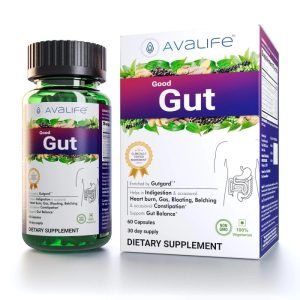
Herbal supplements for holistic health bring a natural touch to overall well-being, offering a unique perspective on traditional medicine and wellness practices. Dive into the world of herbal remedies and their diverse benefits in promoting a balanced and healthy lifestyle.
Wellness Programs
Incorporating Herbal Supplements
Herbal supplements play a vital role in holistic wellness programs by providing natural support for the body’s overall health and well-being. Incorporating herbal remedies into a wellness regimen can help address various aspects of health, including physical, mental, and emotional balance.
Benefits of Herbal Remedies vs Traditional Medicine
When comparing herbal remedies to traditional medicine, herbal supplements offer a more natural and gentle approach to promoting overall health. Unlike conventional medications that may come with side effects, herbal remedies are often well-tolerated by the body and can support the body’s innate healing mechanisms.
Role in Mental Clarity and Resilience
Herbal supplements can also play a significant role in improving mental clarity and resilience. Certain herbs, such as ginkgo biloba and ashwagandha, are known for their cognitive-enhancing properties and stress-relieving effects. By incorporating these herbs into a wellness program, individuals can support their cognitive function and emotional well-being.
Herbal Remedies
Herbal remedies have been used for centuries to promote overall health and well-being. They offer a natural alternative to conventional medicine and can be effective in treating various health conditions.Excessive inflammation can lead to joint stiffness and pain, while reduced muscle mass can impact overall strength and mobility.
Incorporating herbal supplements into your daily routine can help address these issues and promote joint flexibility and muscle mass.
Popular Herbal Supplements
- Turmeric: Known for its anti-inflammatory properties, turmeric can help reduce joint pain and stiffness.
- Ginger: Ginger is often used to ease muscle soreness and improve digestion, promoting overall well-being.
- Boswellia: This herb has been shown to reduce inflammation and improve joint flexibility, making it beneficial for those with arthritis.
Benefits of Herbal Remedies for Joint Flexibility and Muscle Mass
Herbal remedies can help reduce inflammation in the body, which is often the root cause of joint pain and stiffness. By incorporating these supplements into your daily routine, you can support healthy joint function and improve flexibility. Additionally, certain herbs can promote muscle growth and repair, helping you maintain strong and healthy muscles.
Incorporating Herbal Remedies into Your Daily Routine
- Consult with a healthcare provider or herbalist to determine the best herbal supplements for your specific needs.
- Start with a low dosage and gradually increase as needed, following the recommended guidelines on the product label.
- Integrate herbal remedies into your daily routine by taking them at consistent times each day, such as with meals or before bedtime.
- Monitor your progress and adjust your dosage as necessary to achieve optimal results.
Skin Health
Skin health is a crucial aspect of overall well-being, and herbal supplements can play a significant role in maintaining healthy and glowing skin. These supplements are rich in vitamins, antioxidants, and other nutrients that can benefit the skin in various ways.Certain herbs possess properties that can help in managing common skin conditions like acne or eczema.
For example, tea tree oil is known for its antibacterial and anti-inflammatory properties, making it effective in combating acne. Similarly, calendula has soothing and healing properties that can help in relieving symptoms of eczema.
Using Herbal Products for Skin Health
- Choose herbal supplements rich in antioxidants like vitamin C and E to protect the skin from free radical damage and premature aging.
- Incorporate herbs like turmeric and neem into your skincare routine to combat inflammation and promote clear skin.
- Consider using aloe vera gel for its moisturizing and soothing properties, ideal for calming irritated skin.
- Experiment with herbal teas like chamomile or green tea, known for their skin-nourishing benefits when consumed regularly.
Bone Density
When it comes to bone health, herbal supplements play a crucial role in improving bone density and overall skeletal strength. These natural remedies can help in preventing conditions like osteoporosis and osteopenia by providing essential nutrients that support bone growth and maintenance.
Herbs for Improving Bone Health
There are several herbs known for their benefits in improving bone health. These herbs are rich in minerals like calcium, magnesium, and vitamin D, which are essential for maintaining strong and healthy bones. Some of the herbs that are beneficial for bone density include:
- Milk Thistle
- Horsetail
- Nettle
- Red Clover
- Alfalfa
Importance of Lifestyle Factors
While herbal supplements can be effective in improving bone density, it is important to combine them with other lifestyle factors for optimal results. Regular weight-bearing exercises, a balanced diet rich in calcium and vitamin D, and avoiding smoking and excessive alcohol consumption are all crucial for maintaining strong bones.
By incorporating these lifestyle changes along with herbal remedies, individuals can significantly improve their bone health and reduce the risk of fractures and bone-related conditions.
Muscle Mass
Herbal supplements play a crucial role in supporting muscle growth and recovery, making them an essential part of a holistic approach to health and fitness. These supplements can provide the body with the necessary nutrients to enhance muscle mass and strength, as well as aid in muscle maintenance as we age.
Herbs for Muscle Growth and Strength
- Ginseng: Known for its adaptogenic properties, ginseng can help improve endurance and strength, making it beneficial for muscle building.
- Tribulus Terrestris: This herb has been used to enhance athletic performance and muscle mass due to its potential to increase testosterone levels.
- Ashwagandha: With its ability to reduce cortisol levels and support muscle recovery, ashwagandha is effective in promoting muscle strength.
Role of Herbal Products in Muscle Maintenance
As we age, muscle mass tends to decrease, leading to issues such as frailty and weakness. Herbal products can aid in maintaining muscle mass by providing essential nutrients and compounds that support muscle health.
Dental Care
Maintaining oral health is crucial for overall well-being, and herbal supplements can play a significant role in supporting dental care. Herbal remedies have been used for centuries to promote oral hygiene and prevent common dental issues.
Benefits of Herbal Supplements for Oral Health
- Herbal supplements like neem and licorice have natural antibacterial properties that can help fight off harmful bacteria in the mouth, reducing the risk of cavities and gum disease.
- Ingredients like peppermint and cloves can freshen breath and provide relief from toothaches and oral discomfort.
- Herbal mouthwashes containing tea tree oil or sage can help reduce inflammation and promote healthy gums.
Tips for Using Herbal Remedies for Dental Care
- Use toothpaste and mouthwashes containing herbal ingredients to enhance your oral hygiene routine.
- Chew on fresh herbs like parsley or cilantro to naturally cleanse the mouth and freshen breath.
<liReplace your sugary snacks with herbal options like licorice root or ginger candies to reduce the risk of tooth decay.
Role of Herbal Products in Preventing Common Dental Issues
- Herbal products can help prevent plaque buildup, reducing the risk of cavities and gum disease.
- Natural antibacterial properties in certain herbs can help combat bad breath and maintain oral freshness.
- Regular use of herbal remedies can promote a healthy oral microbiome, supporting overall oral health.
Eye Health
Maintaining good eye health is essential for overall well-being. Herbal supplements can play a significant role in promoting healthy vision and reducing eye strain.
Benefits of Herbal Supplements for Eye Health
- Herbs like bilberry, ginkgo biloba, and eyebright are known for their antioxidant properties, which help protect the eyes from damage caused by free radicals.
- Bilberry, in particular, is believed to improve night vision and overall eye health.
- Ginkgo biloba can enhance blood circulation to the eyes, reducing the risk of age-related macular degeneration.
Incorporating Herbal Remedies into Your Eye Care Routine
- Consider adding herbal teas or tinctures containing eye-friendly herbs to your daily routine.
- Include foods rich in vitamins A, C, and E, such as carrots, spinach, and citrus fruits, to support eye health.
- Practice eye exercises and take regular breaks when working on screens to reduce eye strain.
Mental Clarity
Herbal supplements play a crucial role in enhancing cognitive function and promoting mental clarity. These natural remedies are known for their ability to support focus, concentration, and overall mental well-being.
Effects of Herbal Supplements on Cognitive Function
Herbal supplements such as Ginkgo Biloba, Bacopa Monnieri, and Rhodiola Rosea have been shown to improve memory, concentration, and cognitive function. These herbs contain active compounds that support healthy brain function and enhance mental clarity.
- Ginkgo Biloba: Known for its antioxidant properties, Ginkgo Biloba improves blood flow to the brain, enhancing cognitive function and memory.
- Bacopa Monnieri: This herb has been used in traditional medicine to enhance memory, focus, and overall brain health.
- Rhodiola Rosea: Rhodiola is an adaptogenic herb that helps reduce mental fatigue, improve focus, and enhance overall cognitive function.
Role of Herbal Products in Supporting Mental Well-Being
In addition to improving cognitive function, herbal products also play a vital role in supporting mental well-being. Herbs like Ashwagandha, Holy Basil, and Lemon Balm help reduce stress, anxiety, and promote a sense of calmness and relaxation.
- Ashwagandha: Known as an adaptogen, Ashwagandha helps the body adapt to stress, reduce anxiety, and improve overall mental well-being.
- Holy Basil: This herb is often used to reduce stress, anxiety, and promote mental clarity and focus.
- Lemon Balm: Lemon Balm is known for its calming effects, helping to reduce stress, anxiety, and improve mood.
Joint Flexibility
Maintaining joint flexibility is crucial for overall mobility and quality of life. Herbal supplements can play a significant role in improving joint flexibility and reducing stiffness, especially as we age.
Herbs for Joint Pain Relief
- Turmeric: Known for its anti-inflammatory properties, turmeric can help reduce inflammation in the joints and alleviate pain.
- Ginger: Another potent anti-inflammatory herb, ginger can help ease joint pain and improve flexibility.
- Boswellia: Also known as Indian frankincense, boswellia can help reduce inflammation and improve mobility in the joints.
Importance of Herbal Remedies for Joint Health
As we age, our joints are more prone to wear and tear, leading to conditions like arthritis. Herbal remedies provide a natural and holistic approach to maintaining joint health, without the side effects often associated with pharmaceutical medications. By incorporating herbs known for their anti-inflammatory and pain-relieving properties into our daily routine, we can support our joint flexibility and overall well-being.
Digestive Health
Herbal supplements play a crucial role in promoting digestive health and maintaining optimal gut function. These natural remedies can help improve digestion, support a healthy gut microbiome, and manage various digestive issues.
Herbs for Digestion and Gut Health
There are several herbs known for their digestive benefits and ability to support a healthy gut microbiome. Some common examples include:
- Peppermint: Known for its soothing properties and ability to relieve symptoms of indigestion and bloating.
- Ginger: A powerful anti-inflammatory herb that aids in digestion and helps alleviate nausea and stomach discomfort.
- Fennel: Helps reduce bloating, gas, and indigestion by promoting the smooth flow of digestive juices.
- Chamomile: Calms the digestive system, reduces inflammation, and relieves symptoms of digestive issues like bloating and cramping.
Herbal Supplements for Managing Digestive Issues
Herbal products are commonly used to manage digestive problems such as bloating, indigestion, and gas. They can help regulate bowel movements, reduce inflammation, and improve overall gut health. Some herbal remedies that are effective in managing digestive issues include:
- Marshmallow root: Soothes and coats the digestive tract, reducing irritation and inflammation.
- Slippery elm: Helps to relieve symptoms of heartburn, indigestion, and gastrointestinal issues.
- Peppermint oil: Alleviates symptoms of irritable bowel syndrome (IBS) and supports overall digestive health.
- Turmeric: A potent anti-inflammatory herb that aids in digestion and helps manage symptoms of digestive disorders.
Detox Process
When it comes to supporting the body’s natural detoxification processes, herbal supplements can play a key role. These supplements can aid in cleansing the liver, kidneys, and other organs, helping to remove toxins and promote overall health.
Herbs for Liver and Kidney Detox
Specific herbs are known for their detoxifying properties, especially when it comes to the liver and kidneys. Some beneficial herbs include:
- Dandelion: Known for its ability to support liver function and promote detoxification.
- Milk Thistle: Helps protect the liver from toxins and promotes its regeneration.
- Burdock Root: Supports kidney function and helps remove waste from the blood.
- Nettle: Acts as a diuretic, promoting the elimination of toxins through the kidneys.
Incorporating Herbal Remedies into a Detox Regimen
When incorporating herbal remedies into a detox regimen for overall health, it’s important to consult with a healthcare provider or herbalist for guidance. Here are some tips to consider:
- Start slowly and gradually introduce herbs into your routine to assess tolerance.
- Stay hydrated to support the detox process and help flush out toxins.
- Combine herbs with a healthy diet rich in fruits, vegetables, and whole grains for optimal results.
- Consider incorporating other detox practices such as sauna sessions, dry brushing, or lymphatic massage for added benefits.
Blood Pressure
Maintaining healthy blood pressure levels is crucial for overall well-being. Herbal supplements have been shown to be effective in regulating blood pressure naturally without the side effects of pharmaceutical drugs.
Effects of Herbal Supplements on Regulating Blood Pressure
Herbal supplements work by promoting relaxation of the blood vessels, improving blood circulation, and reducing inflammation. This helps in lowering high blood pressure and maintaining it at optimal levels.
- Garlic: Known for its ability to lower blood pressure, garlic contains allicin which helps relax blood vessels and improve circulation.
- Hawthorn: This herb is known to dilate blood vessels, improve heart function, and lower blood pressure levels.
- Hibiscus: Rich in antioxidants, hibiscus tea has been found to reduce blood pressure levels effectively.
Importance of Monitoring Blood Pressure while Using Herbal Remedies
It is essential to monitor blood pressure regularly when using herbal remedies to ensure that the levels are within the recommended range. Sudden drops or spikes in blood pressure can be dangerous, so monitoring allows for adjustments to be made accordingly.
Remember to consult with a healthcare professional before incorporating herbal supplements into your routine, especially if you have existing medical conditions or are taking medications.
Heart Rate
Herbal supplements can play a vital role in impacting heart rate and cardiovascular health. By incorporating specific herbs into your daily routine, you can support a healthy heart rate and overall heart function. These herbs can help improve circulation, reduce inflammation, and provide essential nutrients for optimal heart health.
Herbs for Heart Health
- Ginger: Known for its anti-inflammatory properties, ginger can help improve blood circulation and lower cholesterol levels, supporting heart health.
- Hawthorn: This herb has been used for centuries to promote cardiovascular health, improve blood flow, and strengthen the heart muscle.
- Garlic: Garlic is a powerful herb that can help lower blood pressure, reduce cholesterol levels, and prevent blood clots, all of which contribute to a healthy heart rate.
Using Herbal Products for Heart Rate
- Consult with a healthcare professional before incorporating herbal supplements into your routine, especially if you have a pre-existing heart condition or are taking medication.
- Choose high-quality herbal products from reputable sources to ensure purity and effectiveness.
- Consistency is key when using herbal supplements for heart health. Follow recommended dosages and incorporate them into your daily wellness routine for maximum benefits.
Health Screenings
Health screenings play a crucial role in preventive healthcare by detecting potential health issues early on. Herbal supplements can complement these screenings by supporting overall health and influencing the outcomes in various ways.
Role of Herbal Supplements in Health Screenings
- Herbal supplements can help improve specific health markers that are tested during screenings, such as cholesterol levels, blood sugar levels, and inflammation markers.
- Certain herbs like turmeric, garlic, and green tea have antioxidant and anti-inflammatory properties that can positively impact screening results for conditions like heart disease and diabetes.
- Regular use of adaptogenic herbs like ashwagandha and ginseng can help manage stress levels, which in turn can improve hormonal balance and overall health outcomes in screenings.
Integrating Herbal Remedies with Regular Health Screenings
- Consult with a healthcare provider or herbalist to ensure that the herbs you are taking do not interfere with any medications or conditions being monitored in your screenings.
- Keep a record of the herbal supplements you are taking and discuss them with your healthcare provider during screenings to provide a comprehensive view of your health practices.
- Consider incorporating herbs known for their supportive effects on specific organs or systems that are typically screened, such as milk thistle for liver health or hawthorn for cardiovascular support.
Vaccination Programs
Vaccination programs play a crucial role in preventing the spread of infectious diseases and protecting public health. Herbal supplements can complement the effects of vaccinations by supporting the immune system and overall health during the vaccination process.
Herbal Support for Immune System
Herbal remedies can offer additional support to the immune system during vaccination programs. Some herbs known for their immune-boosting properties include:
- Echinacea: Known for its ability to enhance immune function and reduce the severity of cold symptoms.
- Ginger: Has anti-inflammatory and antioxidant properties that can support the immune system.
- Ginseng: Helps the body adapt to stress and strengthen the immune response.
It is essential to consult with a healthcare provider before incorporating new herbs into your routine, especially during vaccination programs.
Healthy Habits
Integrating herbal supplements into daily healthy habits can significantly enhance overall well-being and promote a holistic approach to health. By incorporating herbs into a well-rounded healthy lifestyle, individuals can experience a range of benefits that contribute to long-term wellness.
Examples of Incorporating Herbs into a Well-Rounded Healthy Lifestyle
- Adding a spoonful of turmeric to your morning smoothie for its anti-inflammatory properties.
- Brewing a cup of chamomile tea before bed to promote relaxation and improve sleep quality.
- Using garlic in cooking for its immune-boosting and antibacterial effects.
- Taking ginseng supplements to increase energy levels and combat fatigue.
Long-Term Benefits of Adopting Healthy Habits that Include Herbal Remedies
By incorporating herbal remedies into daily routines, individuals can experience a range of long-term benefits such as:
- Enhanced immune function and reduced susceptibility to illness.
- Improved digestion and gut health.
- Better stress management and increased resilience to daily challenges.
- Increased energy levels and overall vitality.
Balanced Hormones
Herbal supplements play a crucial role in naturally balancing hormones within the body. By incorporating specific herbs known for their hormone-regulating properties, individuals can support their hormonal balance at different stages of life.
Effects of Herbal Supplements on Hormone Balance
Herbal supplements can help regulate hormone levels in the body, leading to improved overall health and well-being. These natural remedies work by supporting the endocrine system and promoting harmony among various hormones.
- Black Cohosh: Known for its ability to alleviate symptoms of menopause by balancing estrogen levels.
- Maca Root: Supports hormone balance and may help reduce symptoms of hormonal imbalances, such as irregular periods.
- Chaste Tree Berry: Helps regulate the menstrual cycle and promote progesterone production.
Tips for Using Herbal Products to Support Hormonal Balance
When incorporating herbal products to support hormonal balance, it is essential to consider the following tips:
- Consult with a healthcare provider or herbalist to determine the appropriate herbs and dosages for your specific needs.
- Be consistent with taking herbal supplements to experience the full benefits of hormone regulation.
- Combine herbal remedies with a healthy lifestyle, including proper nutrition and regular exercise, for optimal results.
Health Coaching
Health coaching plays a crucial role in guiding individuals towards achieving their wellness goals. Integrating herbal supplements into health coaching sessions can enhance the overall effectiveness of the program.
Role of Herbal Supplements in Health Coaching
Herbal supplements can complement traditional health coaching methods by providing natural remedies to support various aspects of holistic health. They can help address specific health concerns, boost immunity, and promote overall well-being.
Incorporating Herbal Remedies into Coaching Sessions
- Health coaches can educate their clients on the benefits of herbal supplements and how they can be used to enhance their health outcomes.
- By creating personalized wellness plans that include herbal remedies, coaches can tailor their approach to meet the unique needs of each individual.
- Coaches can also recommend specific herbal supplements based on a client’s health goals, preferences, and any existing health conditions.
Benefits of Personalized Health Coaching with Herbal Supplements, Herbal supplements for holistic health
- Personalized health coaching that incorporates herbal supplements can lead to more targeted and effective outcomes for clients.
- By taking a holistic approach to wellness, health coaches can address both the physical and emotional aspects of health with the help of herbal remedies.
- Clients may experience improved energy levels, better stress management, and enhanced overall health and vitality through the use of herbal supplements in their coaching sessions.
Fitness Goals
Herbal supplements play a significant role in supporting fitness goals by enhancing performance and aiding in muscle recovery. These supplements can provide the body with the necessary nutrients to optimize workouts and achieve fitness milestones.
Herbs for Energy, Stamina, and Muscle Recovery
- Ginseng: Known for its energy-boosting properties, ginseng can help improve stamina during workouts.
- Ashwagandha: This adaptogenic herb can support muscle recovery and reduce exercise-induced stress.
- Rhodiola Rosea: Helps improve endurance and stamina, making it easier to push through intense workouts.
- Turmeric: Contains anti-inflammatory properties that aid in muscle recovery and reduce post-workout soreness.
Role of Herbal Products in Optimizing Workouts
- Enhanced Performance: Herbal supplements can provide a natural boost to energy levels, allowing individuals to perform better during workouts.
- Faster Recovery: By reducing inflammation and promoting muscle recovery, herbal products help individuals bounce back quicker from intense training sessions.
- Improved Endurance: Certain herbs can increase stamina and endurance, enabling individuals to prolong their workouts and reach their fitness goals more effectively.
Diet Planning
Proper diet planning is essential for overall health and well-being. Including herbal supplements in your diet can provide numerous benefits for your body and mind. These supplements are packed with nutrients and medicinal properties that can support various bodily functions and promote holistic health.
Incorporating Herbs in Meal Plans
Herbal supplements can be easily incorporated into meal plans to enhance the nutritional value of your diet. You can add fresh herbs like basil, cilantro, or mint to salads, soups, and smoothies for an extra boost of vitamins, minerals, and antioxidants.
Additionally, using dried herbs like turmeric, ginger, or cinnamon in cooking can not only add flavor but also provide anti-inflammatory and immune-boosting benefits.
- Include a variety of herbs in your meals to benefit from their unique medicinal properties.
- Experiment with different herbal combinations to discover new flavors and health benefits.
- Consider taking herbal supplements in the form of capsules or teas if you have specific health goals or deficiencies.
Creating a Balanced Diet with Herbal Remedies
When planning your diet, aim to create a balanced mix of macronutrients (carbohydrates, proteins, fats) and micronutrients (vitamins, minerals). Incorporating herbal remedies into your meals can help you achieve this balance while also supporting your body’s natural healing processes.
Remember to consult with a healthcare provider or nutritionist before making significant changes to your diet, especially if you have existing health conditions or are taking medications.
Health Supplements
Health supplements play a crucial role in maintaining overall well-being by providing essential nutrients that may be lacking in our diets. Herbal health supplements are natural alternatives to synthetic vitamins and minerals, offering a range of benefits for holistic health.
Types of Herbal Health Supplements
- Herbal Extracts: Concentrated forms of herbs for specific health benefits.
- Herbal Capsules: Easy-to-consume capsules containing powdered herbs.
- Herbal Teas: Infusions of herbs for internal cleansing and healing.
- Herbal Tinctures: Liquid extracts of herbs for quick absorption.
Benefits of Herbal Supplements
- Natural Ingredients: Herbal supplements are derived from plants, making them chemical-free.
- Enhanced Absorption: The body tends to absorb nutrients from herbal supplements more efficiently compared to synthetic ones.
- Minimal Side Effects: Herbal supplements are generally well-tolerated and have fewer side effects than synthetic alternatives.
Choosing the Right Herbal Supplements
- Consult a Healthcare Provider: Seek advice from a healthcare professional to determine the right supplements for your specific health needs.
- Quality Assurance: Look for supplements from reputable brands with good manufacturing practices.
- Personalized Approach: Consider your individual health goals and any existing health conditions when selecting herbal supplements.
Breathing Techniques

Breathing techniques are essential for relaxation and overall well-being. When combined with herbal supplements, these techniques can further enhance their benefits. By incorporating specific herbs known for their respiratory health properties, you can improve breathing patterns and promote better lung function.
Here are some tips on how to integrate herbal remedies into your breathing exercises for optimal results.
Specific Herbs for Respiratory Health
- Peppermint: Known for its soothing properties, peppermint can help open up airways and promote easier breathing.
- Licorice Root: Licorice root is a natural expectorant that can help clear mucus from the respiratory tract, making breathing more comfortable.
- Eucalyptus: Eucalyptus is commonly used to relieve congestion and support respiratory health, making it ideal for breathing exercises.
- Ginger: Ginger has anti-inflammatory properties that can help reduce inflammation in the lungs and improve breathing efficiency.
Incorporating Herbal Remedies into Breathing Exercises
- Use essential oils: Diffusing essential oils like eucalyptus or peppermint during breathing exercises can enhance their respiratory benefits.
- Herbal teas: Enjoying a cup of herbal tea with respiratory herbs before or after breathing exercises can further support lung health.
- Breathing techniques: Pair specific herbs with breathing exercises such as deep belly breathing or alternate nostril breathing for a holistic approach to respiratory wellness.
- Consult a professional: Before incorporating any new herbs or supplements into your routine, consult with a healthcare provider or herbalist to ensure they are suitable for you.
Disease Prevention
Herbal supplements play a crucial role in preventing various diseases and health conditions by supporting the body’s natural defense mechanisms and promoting overall wellness. These supplements are rich in vitamins, minerals, antioxidants, and other beneficial compounds that help strengthen the immune system and protect against harmful pathogens.
Herbs with Preventive Properties
- Turmeric: Known for its anti-inflammatory and antioxidant properties, turmeric can help prevent chronic diseases such as heart disease, cancer, and Alzheimer’s.
- Ginger: Ginger has antimicrobial and anti-inflammatory properties that can help prevent infections and reduce inflammation in the body.
- Echinacea: Widely used to boost the immune system, echinacea can help prevent common colds and flu.
- Garlic: Garlic is known for its antimicrobial properties and can help prevent infections and reduce the risk of cardiovascular diseases.
Holistic Approach to Disease Prevention
A holistic approach to disease prevention with herbal remedies focuses on treating the root cause of illnesses rather than just addressing symptoms. By incorporating herbal supplements into a holistic health plan, individuals can support their physical, mental, and emotional well-being, leading to a more balanced and resilient body.
Pain Management
Natural pain management can be effectively achieved through the use of herbal supplements. These remedies offer a holistic approach to alleviating pain, focusing on the root cause rather than just masking the symptoms. By incorporating specific herbs into a pain management plan, individuals can experience relief without the potential side effects of synthetic medications.
Herbs for Pain Relief
- Turmeric: Known for its anti-inflammatory properties, turmeric can help reduce pain and swelling associated with conditions like arthritis.
- White Willow Bark: Contains salicin, a compound similar to aspirin, which can provide relief from headaches, muscle pain, and menstrual cramps.
- Devil’s Claw: Traditionally used to treat back pain and arthritis, devil’s claw has anti-inflammatory and analgesic effects.
- Ginger: Effective in reducing muscle pain, ginger also helps alleviate nausea and inflammation.
Integrating Herbal Remedies for Chronic Pain
For chronic conditions such as fibromyalgia or neuropathy, integrating herbal remedies into a pain management plan can be beneficial. Combining herbs like St. John’s Wort for nerve pain, valerian root for muscle relaxation, and chamomile for overall relaxation can provide comprehensive relief.
Holistic Treatments
Holistic treatments focus on treating the whole person, including the mind, body, and spirit, rather than just the symptoms of a specific health issue. Herbal supplements play a key role in holistic treatments by addressing not only the symptoms but also the underlying causes of health problems.
By considering the individual as a whole, holistic treatments aim to promote overall well-being and healing.
Examples of Holistic Treatment Approaches
- Traditional Chinese Medicine (TCM): TCM uses a combination of herbal remedies, acupuncture, and other techniques to restore balance and harmony within the body. Herbal supplements such as ginseng, ginger, and turmeric are commonly used in TCM for various health issues.
- Ayurveda: Originating from India, Ayurveda focuses on balancing the body’s doshas (vata, pitta, kapha) through diet, lifestyle changes, and herbal supplements. Turmeric, ashwagandha, and triphala are some commonly used herbs in Ayurvedic treatments.
- Naturopathy: Naturopathic doctors emphasize natural healing modalities, including herbal medicine, nutrition, hydrotherapy, and lifestyle changes. Herbal supplements like echinacea, milk thistle, and valerian root are frequently recommended in naturopathic treatments.
- Homeopathy: Homeopathic treatments involve using highly diluted substances to stimulate the body’s self-healing mechanisms. Herbal remedies such as arnica, chamomile, and calendula are commonly used in homeopathy for various ailments.
Mental Resilience
Mental resilience is crucial for navigating life’s challenges and maintaining emotional well-being. Herbal supplements can play a significant role in supporting mental resilience by providing natural remedies to help manage stress, anxiety, and enhance overall cognitive function.
Herbs for Calming and Stress-Relief
- Chamomile: Known for its calming properties, chamomile can help reduce stress and promote relaxation.
- Ashwagandha: An adaptogenic herb, ashwagandha helps the body adapt to stress and improve resilience.
- Lavender: With its soothing aroma, lavender can help reduce anxiety and improve sleep quality.
Incorporating Herbal Products for Better Coping Mechanisms
When incorporating herbal supplements into a mental resilience routine, it’s essential to consider the following tips:
- Consult a healthcare provider: Before starting any herbal supplement regimen, consult with a healthcare provider to ensure safety and effectiveness.
- Establish a routine: Consistency is key when using herbal products for mental resilience. Incorporate them into your daily routine for maximum benefits.
- Combine with other practices: Herbal supplements work best when combined with other coping mechanisms such as mindfulness, meditation, and regular exercise.
- Monitor effects: Pay attention to how your body responds to herbal supplements and make adjustments as needed to optimize their benefits.
Conclusive Thoughts: Herbal Supplements For Holistic Health
In conclusion, Herbal supplements for holistic health offer a holistic approach to wellness, emphasizing the significance of natural remedies in enhancing various aspects of health. Embrace the power of herbs and their transformative effects on the mind, body, and spirit for a harmonious and balanced life.
Helpful Answers
Can herbal supplements be used as a replacement for traditional medicine?
Herbal supplements can complement traditional medicine but should not be used as a replacement. It’s important to consult with a healthcare provider before making any changes.
Are there any side effects associated with herbal supplements?
While generally considered safe, herbal supplements may cause side effects or interact with medications. It’s advisable to research and consult a healthcare professional before starting any new herbal regimen.
How long does it take to see the effects of herbal supplements on overall health?
The effects of herbal supplements can vary depending on the individual and the specific supplement. Consistent use over a period of weeks to months is typically needed to experience noticeable improvements in health.