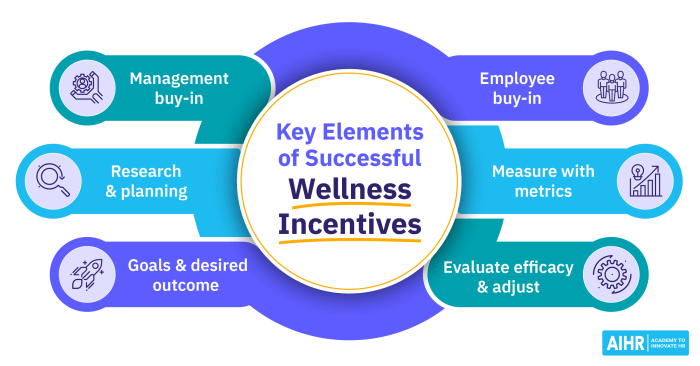
Delving into the Importance of mental health support in wellness programs, this introduction immerses readers in a unique and compelling narrative. Mental health plays a crucial role in our overall well-being, and integrating support for it within wellness programs can lead to significant benefits.
From enhancing emotional resilience to improving physical health, the impact of mental health support is far-reaching. Let’s explore how prioritizing mental health can make a difference in our wellness journey.
Importance of Mental Health Support in Wellness Programs
When it comes to wellness programs, mental health support plays a crucial role in ensuring overall well-being. Addressing mental health is essential for individuals to achieve a balanced and healthy lifestyle.
Enhancing Overall Well-Being
Mental health support in wellness programs can enhance overall well-being by providing individuals with the tools and resources needed to manage stress, anxiety, and other mental health challenges. Through counseling, therapy, and support groups, individuals can develop coping mechanisms and improve their emotional resilience.
Impact on Physical Health
Furthermore, mental health has a direct impact on physical health within the context of wellness programs. Chronic stress and untreated mental health conditions can lead to a variety of physical health issues, such as cardiovascular problems, weakened immune system, and digestive disorders.
By addressing mental health concerns, individuals can improve their physical health outcomes and reduce the risk of developing chronic illnesses.
Wellness Programs
Wellness programs are comprehensive initiatives designed to promote overall health and well-being among individuals. These programs focus on improving various aspects of physical, mental, and emotional wellness to enhance quality of life.
Components of Wellness Programs
Wellness programs typically include a variety of components aimed at addressing different aspects of well-being. Some common components found in wellness programs include:
- Physical Fitness Activities: Such as exercise classes, fitness challenges, and access to gym facilities.
- Nutritional Support: Including nutrition education, healthy eating workshops, and meal planning guidance.
- Stress Management Techniques: Such as mindfulness meditation, relaxation exercises, and stress reduction workshops.
- Health Screenings: Providing opportunities for individuals to monitor their health status through screenings for blood pressure, cholesterol, and other key indicators.
- Behavioral Health Support: Offering counseling services, therapy sessions, and mental health resources to support emotional well-being.
Types of Wellness Programs
There are various types of wellness programs available, each with its own focus and approach to promoting well-being. Some common types of wellness programs include:
- Corporate Wellness Programs: Offered by employers to promote the health and productivity of their employees through activities like fitness challenges, health screenings, and stress management programs.
- Community Wellness Programs: Organized by local community centers or health organizations to provide access to fitness classes, nutrition workshops, and mental health resources for residents.
- Online Wellness Programs: Utilize digital platforms to deliver virtual fitness classes, nutrition coaching, and mental health support to individuals seeking to improve their well-being from the comfort of their homes.
Herbal Remedies
Herbal remedies have long been used as a natural way to promote wellness and address various health concerns. These remedies are derived from plants and herbs, offering a holistic approach to healing and maintaining overall well-being.
Examples of Commonly Used Herbal Remedies
- Chamomile: Known for its calming properties, chamomile tea is often used to reduce stress and promote relaxation.
- Ginseng: This herb is believed to boost energy levels and enhance cognitive function.
- Lavender: Used for its soothing effects, lavender is often used to alleviate anxiety and improve sleep quality.
- Echinacea: Commonly used to support the immune system and reduce the duration of colds or flu symptoms.
Benefits and Risks of Herbal Remedies
Herbal remedies offer a range of benefits, including minimal side effects compared to pharmaceutical medications, affordability, and the potential to address underlying causes of health issues. However, it is essential to be aware of potential risks associated with herbal remedies:
- Interactions with medications: Some herbs can interact with prescription medications, leading to adverse effects.
- Quality control issues: The potency and purity of herbal supplements can vary, posing a risk of contamination or inconsistent dosages.
- Allergic reactions: Individuals may have allergies to certain herbs, resulting in unwanted side effects or complications.
Skin Health
Skin health is an essential component of overall well-being as it not only affects our physical appearance but also plays a significant role in our mental health. The condition of our skin can impact our self-esteem, confidence, and overall mood.
Therefore, it is crucial to take care of our skin to maintain a healthy body and mind.
Skincare Tips for Healthy Skin, Importance of mental health support in wellness programs
- Avoid harsh chemicals: Opt for gentle cleansers and skincare products to prevent irritation and damage to the skin.
- Stay hydrated: Drink plenty of water to keep your skin hydrated and maintain its elasticity.
- Eat a balanced diet: Include fruits, vegetables, and foods rich in vitamins and antioxidants to promote healthy skin from within.
- Protect from the sun: Use sunscreen daily to prevent sun damage and premature aging of the skin.
- Practice stress management: High levels of stress can exacerbate skin conditions, so incorporate relaxation techniques like meditation or yoga into your routine.
Connection Between Mental Health and Skin Health
There is a strong connection between mental health and skin health. Stress, anxiety, and other mental health issues can trigger skin conditions such as acne, eczema, and psoriasis. Additionally, poor self-esteem resulting from skin concerns can further impact mental well-being.
Therefore, addressing mental health through wellness programs can have a positive impact on skin health and overall wellness.
Bone Density
Maintaining healthy bone density is crucial for overall health and well-being. Adequate bone density helps prevent osteoporosis, fractures, and other bone-related conditions. It is essential to incorporate exercises and dietary recommendations to improve and maintain bone density.
Exercises to Improve Bone Density
Regular weight-bearing exercises such as walking, running, dancing, and weightlifting can help strengthen bones and improve bone density. These activities put stress on the bones, stimulating them to become stronger and denser over time.
- Include activities like hiking, jogging, or stair climbing in your routine to challenge your bones.
- Resistance training with weights or resistance bands can also help build bone density.
- Yoga and Pilates can improve balance and flexibility, reducing the risk of falls and fractures.
Dietary Recommendations for Bone Health
A balanced diet rich in calcium, vitamin D, and other essential nutrients is vital for maintaining healthy bones. Foods like dairy products, leafy greens, nuts, and fish can support bone health and density.
- Ensure an adequate intake of calcium through sources like milk, yogurt, cheese, and fortified foods.
- Get enough vitamin D from sources like sunlight, fatty fish, egg yolks, and fortified foods to help your body absorb calcium.
- Include magnesium, phosphorus, vitamin K, and other micronutrients in your diet to support bone health.
Wellness Programs and Bone Density
Wellness programs can incorporate specific exercises and nutritional guidance to promote bone health and density among participants. By offering tailored workout plans, dietary recommendations, and educational resources, these programs can help individuals improve their bone density and reduce the risk of bone-related issues.
Muscle Mass
Maintaining muscle mass is crucial for overall health as it plays a significant role in various bodily functions such as metabolism, strength, and posture. Additionally, adequate muscle mass can help prevent injuries, improve balance, and enhance overall quality of life.
Strategies for Building and Maintaining Muscle Mass
- Regular Strength Training: Incorporating resistance training exercises into your fitness routine helps stimulate muscle growth and prevent muscle loss.
- Protein-Rich Diet: Consuming enough protein is essential for muscle repair and growth. Include lean sources of protein such as chicken, fish, tofu, and legumes in your meals.
- Adequate Rest and Recovery: Giving your muscles time to rest and recover is crucial for muscle growth. Ensure you are getting enough sleep and incorporating rest days into your workout schedule.
- Hydration: Staying hydrated is important for muscle function and recovery. Drink an adequate amount of water throughout the day to support muscle health.
Role of Exercise and Nutrition in Muscle Mass Development within Wellness Programs
Exercise and nutrition are key components of wellness programs aimed at promoting muscle mass development. By combining a balanced diet with regular physical activity, individuals can optimize their muscle growth and overall health. Wellness programs often include personalized workout plans and nutritional guidance to help individuals achieve their muscle mass goals effectively.
Dental Care
Good dental care is a crucial component of overall wellness, as it not only contributes to a healthy smile but also impacts our physical health and mental well-being.
Significance of Dental Care
Proper dental care can prevent various oral health issues such as cavities, gum disease, and tooth decay, which can lead to more serious health problems if left untreated. Regular dental check-ups and cleanings are essential for maintaining good oral health and preventing infections.
Tips for Maintaining Good Oral Health
- Brush your teeth at least twice a day with fluoride toothpaste.
- Floss daily to remove plaque and food particles between teeth.
- Eat a balanced diet and limit sugary snacks and beverages.
- Avoid tobacco products, which can contribute to oral health problems.
- Visit your dentist regularly for check-ups and professional cleanings.
Connection between Dental Health and Mental Well-being
There is a strong connection between dental health and mental well-being. Poor oral health can lead to feelings of self-consciousness, low self-esteem, and even depression. On the other hand, a healthy smile can boost confidence, improve social interactions, and enhance overall mental well-being.
Eye Health
Maintaining good eye health is essential for overall wellness. Our eyes play a crucial role in our daily activities, from reading and driving to simply enjoying the beauty of the world around us. Therefore, it is important to take care of our eyes to prevent vision problems and ensure optimal eye health.
Importance of Eye Health in Wellness
Good eye health contributes to a better quality of life by allowing us to perform various tasks with ease and efficiency. It also plays a significant role in emotional well-being, as vision impairment can lead to feelings of frustration, anxiety, and isolation.
Tips for Preserving Good Eyesight
- Avoid excessive screen time: Take regular breaks from staring at screens to reduce eye strain.
- Eat a healthy diet rich in vitamins and nutrients beneficial for eye health, such as leafy greens, fish, and citrus fruits.
- Protect your eyes from UV rays by wearing sunglasses outdoors.
- Get regular eye check-ups to detect any issues early on and prevent them from worsening.
Impact of Mental Health Support on Eye Health in Wellness Programs
Mental health support is crucial in wellness programs as it can significantly impact eye health. Stress, anxiety, and depression can all affect our eyesight and lead to conditions like eye strain, dry eyes, and even vision loss. By addressing mental health issues and providing support, individuals can reduce the risk of developing eye problems and maintain good vision.
Mental Clarity
Maintaining mental clarity is essential for overall well-being as it allows individuals to think clearly, make sound decisions, and effectively manage stress. Mental clarity enables focus, productivity, and emotional stability, contributing to a balanced and healthy lifestyle.
Techniques for Improving Mental Clarity
- Adequate Sleep: Prioritize quality sleep to allow the brain to rest and recharge, promoting cognitive function.
- Mindfulness Meditation: Practice mindfulness to enhance awareness, reduce distractions, and improve concentration.
- Regular Exercise: Engage in physical activity to boost blood flow to the brain, enhancing cognitive abilities.
- Healthy Diet: Consume nutrient-rich foods that support brain health, such as omega-3 fatty acids and antioxidants.
- Stress Management: Employ stress-reducing techniques like deep breathing exercises or yoga to clear the mind and improve focus.
How Mental Health Support Enhances Mental Clarity in Wellness Programs
Mental health support in wellness programs provides individuals with tools and resources to address underlying mental health issues, reducing cognitive fog and enhancing mental clarity.
- Therapeutic Interventions: Counseling and therapy sessions can help individuals navigate emotional challenges, leading to improved mental clarity.
- Supportive Environment: Creating a supportive community within wellness programs fosters a sense of belonging and reduces feelings of isolation, promoting mental clarity.
- Education and Awareness: Providing information on mental health and wellness empowers individuals to prioritize their mental well-being, leading to enhanced mental clarity.
Joint Flexibility
Maintaining joint flexibility is crucial for overall mobility and quality of life. Flexible joints allow for a full range of motion, reducing the risk of injuries and improving posture. In wellness programs, focusing on joint flexibility can enhance physical performance and prevent musculoskeletal issues.
Exercises and Stretches for Improved Joint Flexibility
- Yoga: Practicing yoga poses can help increase flexibility in the joints, especially in areas like the hips, shoulders, and spine.
- Dynamic Stretching: Incorporating dynamic stretches before workouts can warm up the muscles and improve joint flexibility.
- Pilates: Pilates exercises focus on core strength and flexibility, which can benefit joint health and overall mobility.
Relationship Between Mental Health and Joint Flexibility
Mental health plays a significant role in joint flexibility within wellness programs. Stress and anxiety can lead to muscle tension, affecting joint mobility and causing stiffness. By prioritizing mental well-being through activities like mindfulness meditation or relaxation techniques, individuals can reduce stress levels and improve joint flexibility.
Digestive Health

Good digestive health is essential for overall wellness as it ensures proper absorption of nutrients, elimination of waste, and a strong immune system.
Dietary Recommendations for Digestive Health
- Aim to include plenty of fiber-rich foods in your diet such as fruits, vegetables, whole grains, and legumes to support healthy digestion.
- Stay hydrated by drinking an adequate amount of water throughout the day to aid in digestion and prevent constipation.
- Include probiotic-rich foods like yogurt, kefir, sauerkraut, and kimchi to promote a healthy balance of gut bacteria.
- Avoid or limit foods high in added sugars, unhealthy fats, and processed ingredients that can disrupt digestion.
Impact of Mental Health on Digestive Health
Mental health plays a significant role in digestive health within wellness programs. Stress and anxiety can lead to digestive issues such as bloating, indigestion, and irritable bowel syndrome (IBS). Incorporating stress-reducing activities like meditation, yoga, or mindfulness practices can help improve digestive function and overall wellness.
Detox Process
Detox processes play a crucial role in maintaining overall wellness by helping the body eliminate toxins and waste, allowing it to function optimally.
Natural Ways to Support Detoxification
There are several natural ways to support the body’s detoxification process:
- Stay hydrated by drinking plenty of water throughout the day to flush out toxins.
- Incorporate foods rich in antioxidants like berries, leafy greens, and nuts into your diet.
- Engage in regular exercise to promote sweating and release toxins through the skin.
- Practice deep breathing exercises to support the detoxification of the lungs.
- Limit exposure to environmental toxins by using natural cleaning products and avoiding processed foods.
Influence of Mental Health Support on Detox Processes
Mental health support can significantly influence the effectiveness of detox processes in wellness programs:
- Reducing stress levels through techniques like meditation and mindfulness can support the body’s natural detoxification mechanisms.
- Improving mental clarity and focus can help individuals make healthier choices that support detox processes.
- Addressing underlying emotional issues or trauma can prevent emotional eating or substance abuse, which can hinder detoxification.
- Creating a positive mindset and outlook on wellness goals can enhance motivation and commitment to detox programs.
Blood Pressure
Managing blood pressure is crucial for overall health as it plays a significant role in reducing the risk of heart disease, stroke, and other health complications.
Significance of Regulating Blood Pressure
- Monitor your blood pressure regularly to track any fluctuations and take necessary actions.
- Adopt a healthy diet rich in fruits, vegetables, whole grains, and low-fat dairy products to help regulate blood pressure.
- Engage in regular physical activity such as walking, swimming, or cycling to maintain a healthy weight and lower blood pressure.
- Avoid smoking and limit alcohol consumption to help manage blood pressure levels.
- Practice stress-reducing techniques like meditation, deep breathing exercises, or yoga to help lower blood pressure.
Connection between Mental Health and Blood Pressure
There is a strong connection between mental health and blood pressure in wellness programs. High levels of stress, anxiety, and depression can lead to an increase in blood pressure, putting individuals at a higher risk of cardiovascular issues. Therefore, incorporating mental health support in wellness programs is essential for maintaining healthy blood pressure levels.
Heart Rate
Monitoring heart rate is crucial in wellness programs as it serves as an indicator of cardiovascular health and fitness levels. By keeping track of your heart rate, you can ensure that you are exercising at the right intensity to achieve your fitness goals and prevent overexertion.
Importance of Monitoring Heart Rate
- Heart rate monitoring helps in determining the effectiveness of your workouts and adjusting intensity levels accordingly.
- It can alert you to potential health issues such as high blood pressure or heart conditions.
- Tracking heart rate during exercise can prevent overtraining and reduce the risk of injury.
Exercises for Maintaining a Healthy Heart Rate
- Aerobic exercises such as running, cycling, or swimming are excellent for improving cardiovascular health and regulating heart rate.
- Interval training, which involves alternating between high-intensity bursts and low-intensity recovery periods, can help improve heart rate variability.
- Yoga and meditation practices can also have a positive impact on heart rate by reducing stress and promoting relaxation.
Impact of Mental Health Support on Heart Rate Regulation
- Stress and anxiety can lead to an increase in heart rate, affecting overall cardiovascular health.
- Therapeutic interventions such as counseling, mindfulness, and relaxation techniques can help manage stress levels and promote heart rate regulation.
- A positive mindset and emotional well-being play a significant role in maintaining a healthy heart rate and overall heart health.
Health Screenings
Regular health screenings play a crucial role in wellness programs as they help individuals identify potential health issues early on, allowing for timely interventions and preventive measures to be put in place.
Examples of Common Health Screenings
- Blood pressure measurements
- Cholesterol level checks
- Blood glucose tests
- Body mass index (BMI) calculations
- Colorectal cancer screenings
Importance of Regular Health Screenings
Regular health screenings are essential for overall well-being as they can detect health problems at an early stage when they are most treatable. By monitoring key health indicators, individuals can take proactive steps to maintain their health and prevent the development of serious conditions.
Vaccination Programs
Vaccination programs play a crucial role in promoting overall wellness by preventing the spread of infectious diseases. By ensuring individuals are immunized against common illnesses, these programs contribute to the collective health of communities.
Significance of Vaccination Programs
Vaccinations are essential in preventing diseases such as measles, polio, influenza, and more. They work by stimulating the immune system to produce antibodies, providing immunity without the individual having to suffer from the actual disease. This not only protects the vaccinated individual but also helps in achieving herd immunity, reducing the overall risk of outbreaks within a population.
Benefits of Vaccination in Preventing Diseases
- Vaccinations can prevent the spread of contagious diseases.
- They reduce the severity of illnesses and complications associated with certain diseases.
- Vaccinations contribute to the eradication of deadly diseases, such as smallpox.
- They help in protecting vulnerable populations, including infants, elderly individuals, and those with weakened immune systems.
Addressing Misconceptions about Vaccinations
-
Myth: Vaccinations can cause autism.
This misconception has been debunked by numerous scientific studies, and there is no proven link between vaccinations and autism.
-
Myth: Natural immunity is better than vaccine-induced immunity.
While natural immunity can provide protection, it often comes at the cost of experiencing the full-blown disease, which can be dangerous and even life-threatening.
-
Myth: Vaccines contain harmful ingredients.
Vaccines go through rigorous testing to ensure they are safe and effective, and the ingredients used are carefully selected to enhance immunity without causing harm.
Healthy Habits
Maintaining healthy habits is crucial for overall wellness. These habits not only contribute to physical health but also play a significant role in mental well-being. Incorporating healthy habits into daily routines can lead to long-term benefits and a better quality of life.
Let’s explore some key healthy habits and how they impact our well-being.
Regular Exercise
Regular physical activity is essential for maintaining a healthy body and mind. Exercise helps to improve cardiovascular health, strengthen muscles, and boost mood. Aim for at least 30 minutes of moderate exercise most days of the week. This can include activities like walking, jogging, yoga, or swimming.
Healthy Eating
A balanced diet rich in fruits, vegetables, whole grains, and lean proteins is essential for overall wellness. Avoiding processed foods, sugary drinks, and excessive salt can help reduce the risk of chronic diseases and maintain a healthy weight. Remember to stay hydrated by drinking plenty of water throughout the day.
Adequate Sleep
Getting enough sleep is crucial for cognitive function, mood regulation, and overall health. Aim for 7-9 hours of quality sleep each night to allow your body to rest and rejuvenate. Establish a bedtime routine and create a comfortable sleep environment to promote better sleep.
Stress Management
Chronic stress can have a negative impact on both physical and mental health. Practice stress-reducing techniques such as deep breathing, meditation, yoga, or spending time in nature. Prioritize self-care and set boundaries to manage stress effectively.
Social Connection
Maintaining strong social connections with friends, family, and community members is vital for mental well-being. Engage in activities that foster social interaction, such as joining clubs, volunteering, or attending social events. Building a support network can provide emotional support and a sense of belonging.
Mental Health Check-Ins
Regularly checking in on your mental health is important for early detection of any issues. Pay attention to your emotions, thoughts, and behaviors. Seek professional help if you experience persistent feelings of sadness, anxiety, or hopelessness. Prioritize your mental well-being just as you would your physical health.
Balanced Hormones
Maintaining balanced hormones is crucial for overall health as they play a significant role in regulating various bodily functions, including metabolism, mood, energy levels, and reproductive health. Imbalances in hormones can lead to a range of health issues such as weight gain, fatigue, anxiety, and fertility problems.
Lifestyle Changes for Balanced Hormones
- A balanced diet rich in whole foods, fruits, vegetables, and healthy fats can support hormone production and regulation.
- Regular exercise, including strength training and aerobic activities, can help balance hormones and reduce stress levels.
- Adequate sleep is essential for hormone regulation, aim for 7-9 hours of quality sleep each night.
- Stress management techniques such as meditation, yoga, deep breathing exercises, and mindfulness can help reduce cortisol levels and promote hormonal balance.
- Avoiding exposure to endocrine-disrupting chemicals found in plastics, pesticides, and certain personal care products can help maintain balanced hormones.
Role of Mental Health Support in Balancing Hormones
Mental health support is crucial in balancing hormones within wellness programs as stress, anxiety, and depression can significantly impact hormone levels. Chronic stress, in particular, can lead to an overproduction of cortisol, the stress hormone, which can disrupt the balance of other hormones in the body.
By incorporating mental health support such as counseling, therapy, and stress management techniques into wellness programs, individuals can better manage their stress levels, improve their mental well-being, and ultimately support hormone balance for overall health.
Health Coaching
Health coaching within wellness programs involves personalized guidance and support to help individuals achieve their health goals. It focuses on empowering individuals to make positive lifestyle changes and improve their overall well-being.
Benefits of Working with a Health Coach
- Accountability: Health coaches provide accountability and motivation to help individuals stay on track with their health goals.
- Personalized Guidance: Coaches offer personalized recommendations based on individual needs and preferences.
- Behavior Change: Health coaches help individuals identify and change unhealthy behaviors to improve overall health.
- Emotional Support: Coaches offer emotional support and encouragement to help individuals navigate challenges and setbacks.
Integration of Mental Health Support
Health coaching can integrate mental health support by addressing the emotional and psychological aspects of well-being. Coaches can help individuals manage stress, anxiety, and other mental health concerns through techniques such as mindfulness, relaxation exercises, and cognitive-behavioral strategies.
Fitness Goals
Setting fitness goals in wellness programs is crucial for individuals to track their progress, stay motivated, and achieve optimal health. By establishing clear objectives related to physical fitness, individuals can tailor their exercise routines and dietary habits to meet specific targets and improve overall well-being.
Importance of Setting Fitness Goals
Setting fitness goals provides a roadmap for individuals to follow on their wellness journey. It helps create a sense of direction and purpose, guiding individuals towards making healthier choices and forming sustainable habits. Whether the goal is to lose weight, build muscle, improve endurance, or enhance flexibility, having a clear target in mind can significantly increase motivation and adherence to a fitness regimen.
- Identify Specific Goals: Determine what you want to achieve in terms of fitness, such as running a certain distance, lifting a particular weight, or completing a set number of workouts per week.
- Set Realistic Targets: Ensure that your goals are achievable within a reasonable timeframe and align with your current fitness level and lifestyle. Gradually increase the intensity and duration of your workouts to avoid burnout or injury.
- Track Progress: Keep a journal, use fitness apps, or consult with a personal trainer to monitor your advancements and make adjustments as needed. Celebrate small victories along the way to stay motivated and committed to your fitness goals.
Role of Mental Health Support in Reaching Fitness Goals
Mental health support plays a vital role in helping individuals overcome barriers, stay focused, and maintain consistency in pursuing their fitness goals. It addresses the emotional and psychological aspects of wellness, fostering a positive mindset and resilience to overcome challenges along the way.
“A healthy mind leads to a healthy body. By prioritizing mental well-being, individuals can enhance their physical performance and overall fitness levels.”
- Manage Stress: Engage in relaxation techniques, such as meditation, deep breathing exercises, or yoga, to reduce stress levels and improve mental clarity. Stress management is essential for maintaining motivation and energy levels to stay committed to your fitness goals.
- Seek Support: Join group fitness classes, enlist the help of a workout buddy, or consult with a mental health professional to receive guidance and encouragement throughout your fitness journey. Having a support system can provide accountability and motivation to stay on track.
- Cultivate Positive Habits: Practice positive self-talk, visualize success, and set aside time for self-care activities to nurture a healthy mindset. By fostering self-confidence and self-compassion, individuals can overcome self-doubt and negative thoughts that may hinder their progress towards achieving fitness goals.
Diet Planning
When it comes to overall wellness, diet planning plays a crucial role in ensuring that our bodies receive the necessary nutrients to function optimally. A balanced and nutritious diet can not only support physical health but also contribute to mental well-being.
The Role of Diet Planning in Overall Wellness
Diet planning involves making conscious choices about the foods we consume to meet our nutritional needs. It helps in maintaining a healthy weight, managing chronic conditions, and promoting overall well-being. A well-rounded diet can provide essential vitamins, minerals, and antioxidants that support our immune system, energy levels, and mental clarity.
Tips for Creating a Balanced and Nutritious Diet Plan
- Include a variety of fruits, vegetables, whole grains, lean proteins, and healthy fats in your meals.
- Aim for colorful plates to ensure a diverse range of nutrients.
- Stay hydrated by drinking an adequate amount of water throughout the day.
- Avoid processed foods high in sugar, salt, and unhealthy fats.
- Practice mindful eating and listen to your body’s hunger and fullness cues.
How Mental Health Support Can Influence Dietary Choices within Wellness Programs
Mental health support within wellness programs can impact dietary choices by addressing emotional eating patterns, stress-related cravings, and negative body image issues. By promoting positive self-care practices and coping mechanisms, individuals are more likely to make healthier food choices that nourish both their bodies and minds.
Incorporating mindfulness techniques, stress management strategies, and therapeutic interventions can help individuals develop a healthier relationship with food and make sustainable dietary changes.
Health Supplements
Health supplements play a vital role in promoting overall wellness by providing essential nutrients that may be lacking in our diets.
Types of Health Supplements
- Vitamins: Essential for various bodily functions, such as Vitamin C for immune health and Vitamin D for bone health.
- Minerals: Including calcium for bone density and iron for red blood cell production.
- Omega-3 Fatty Acids: Known for their anti-inflammatory properties and benefits for heart health.
- Probiotics: Supporting gut health and digestion by balancing the gut microbiome.
Benefits of Health Supplements
- Fill in Nutritional Gaps: Supplements can provide nutrients that may be lacking in our diets.
- Support Overall Health: Certain supplements can support specific bodily functions or systems, such as immune health or heart health.
- Enhance Performance: Some supplements, like protein powders, can aid in muscle recovery and growth for fitness enthusiasts.
Risks and Considerations
- Quality Control: Not all supplements are regulated, so it’s important to choose reputable brands to ensure safety and efficacy.
- Potential Interactions: Some supplements may interact with medications or have adverse effects if taken in high doses.
- Overconsumption: Taking excessive amounts of certain supplements can lead to toxicity and negative health outcomes.
Breathing Techniques
Breathing techniques play a crucial role in wellness programs as they help in reducing stress, promoting relaxation, and improving overall mental health. Incorporating these techniques can have a significant impact on one’s well-being.
Different Breathing Exercises
- Deep Breathing: Inhale deeply through your nose, expanding your belly, hold for a few seconds, and exhale slowly through your mouth. Repeat several times to calm the mind and body.
- 4-7-8 Technique: Inhale for a count of 4, hold your breath for a count of 7, and exhale for a count of 8. This exercise helps in reducing anxiety and promoting relaxation.
- Alternate Nostril Breathing: Close one nostril with your finger and inhale through the other, then switch and exhale through the opposite nostril. This exercise can help balance energy levels and reduce stress.
Enhancing Breathing Techniques with Mental Health Support
Mental health support can enhance the effectiveness of breathing techniques by providing individuals with the necessary tools to manage their emotions, reduce anxiety, and improve focus. Through therapy, counseling, or support groups, individuals can learn how to incorporate breathing exercises into their daily routine to better cope with stress and improve their overall mental well-being.
Disease Prevention
Preventing diseases is a crucial aspect of overall wellness programs. By focusing on disease prevention, individuals can reduce the risk of developing various health conditions and maintain a higher quality of life. Incorporating preventive measures into wellness programs can have a significant impact on long-term health outcomes.
Role of Disease Prevention in Wellness Programs
- Regular health screenings and check-ups can help detect potential health issues early on, allowing for timely intervention and treatment.
- Encouraging healthy lifestyle habits such as regular exercise, balanced diet, and adequate sleep can lower the risk of chronic diseases.
- Education on the importance of vaccinations and immunizations can help prevent infectious diseases and protect against serious illnesses.
Preventive Measures for Common Diseases
- Heart disease: Maintain a healthy weight, exercise regularly, eat a balanced diet low in saturated fats, and avoid smoking.
- Diabetes: Monitor blood sugar levels, follow a diabetic-friendly diet, engage in regular physical activity, and take medications as prescribed.
- Cancer: Get regular screenings, avoid tobacco and excessive alcohol consumption, eat a variety of fruits and vegetables, and protect your skin from UV radiation.
Contribution of Mental Health Support to Disease Prevention
- Positive mental health can improve overall well-being and resilience, reducing the likelihood of developing mental health conditions that may contribute to physical health issues.
- Stress management techniques and coping strategies can lower the risk of stress-related diseases such as hypertension, heart disease, and digestive disorders.
- Seeking professional help for mental health concerns can lead to early intervention and treatment, preventing the development of more severe mental health issues.
Pain Management: Importance Of Mental Health Support In Wellness Programs
Effective pain management plays a crucial role in wellness programs as it directly impacts an individual’s quality of life. It is essential to address pain to ensure overall well-being and improve daily functioning. Mental health support also plays a significant role in how individuals perceive and manage pain.
Types of Pain and Strategies for Management
- Acute Pain: Acute pain is usually temporary and can be managed with rest, ice, compression, and elevation (RICE) therapy. Over-the-counter pain relievers can also help alleviate acute pain.
- Chronic Pain: Chronic pain requires a more comprehensive approach, including physical therapy, mindfulness techniques, and prescription medications under the guidance of healthcare professionals.
- Neuropathic Pain: Neuropathic pain, caused by nerve damage, may respond well to medications such as antidepressants or anticonvulsants that target nerve pain.
Impact of Mental Health Support on Pain Perception
Mental health support plays a crucial role in how individuals perceive and manage pain. Conditions such as anxiety and depression can amplify the perception of pain, making it more challenging to cope. By addressing mental health concerns through therapy, counseling, or mindfulness practices, individuals can experience reduced pain intensity and improved pain management.
Holistic Treatments
Holistic treatments involve addressing the individual as a whole, considering physical, mental, emotional, and spiritual aspects to achieve overall well-being. These treatments focus on the root causes of health issues rather than just managing symptoms, emphasizing the interconnectedness of mind, body, and spirit.
Examples of Holistic Approaches
- Acupuncture: A traditional Chinese medicine practice that involves inserting thin needles into specific points on the body to promote energy flow and restore balance.
- Yoga and Meditation: Practices that combine physical postures, breathing techniques, and mindfulness to reduce stress, improve flexibility, and enhance mental clarity.
- Herbal Medicine: Using plants and plant extracts to support the body’s natural healing processes and address various health concerns.
- Massage Therapy: Manipulating soft tissues to reduce muscle tension, improve circulation, and promote relaxation.
Integration of Mental Health Support in Holistic Treatments
Holistic treatments recognize the significant impact of mental health on overall well-being and often incorporate mental health support as a vital component. Therapies such as cognitive-behavioral therapy, mindfulness-based stress reduction, and counseling are commonly used to address mental health concerns alongside physical symptoms.
By addressing the mind-body connection, holistic treatments aim to promote balance and harmony for optimal health outcomes.
Mental Resilience
Mental resilience refers to the ability to adapt and bounce back from challenges, stress, and adversity. It plays a crucial role in overall wellness as it helps individuals cope with difficult situations, maintain a positive outlook, and navigate life’s ups and downs effectively.
Techniques for Building Mental Resilience
- Practice mindfulness and meditation to stay present and manage stress.
- Develop a strong support system of friends, family, or mental health professionals.
- Set realistic goals and work towards them consistently.
- Cultivate self-awareness and positive self-talk to build confidence.
- Engage in regular physical activity to boost mood and reduce anxiety.
Importance of Mental Health Support for Enhancing Mental Resilience in Wellness Programs
Mental health support within wellness programs plays a vital role in nurturing and enhancing mental resilience. By providing individuals with access to counseling, therapy, and resources, these programs help individuals develop coping strategies, improve emotional regulation, and build resilience to face life’s challenges.
Closing Notes
In conclusion, the integration of mental health support in wellness programs is not just a trend but a necessity for holistic well-being. By recognizing the importance of mental health and its influence on various aspects of our health, we take a step towards a healthier and happier lifestyle.
Let’s continue to prioritize mental health in our wellness routines for a balanced and fulfilling life.
Query Resolution
Why is mental health support crucial in wellness programs?
Mental health support is crucial in wellness programs as it directly impacts emotional well-being, resilience, and overall health outcomes.
How can mental health support enhance overall well-being?
By providing tools and resources to address mental health concerns, individuals can experience improved emotional balance, reduced stress, and better overall quality of life.
What is the connection between mental health and physical health in wellness programs?
Mental health significantly influences physical health outcomes, with conditions like anxiety and depression affecting immune function, heart health, and overall wellness.